

New research suggests hands-on play is winning as families rethink what belongs in the toy box.
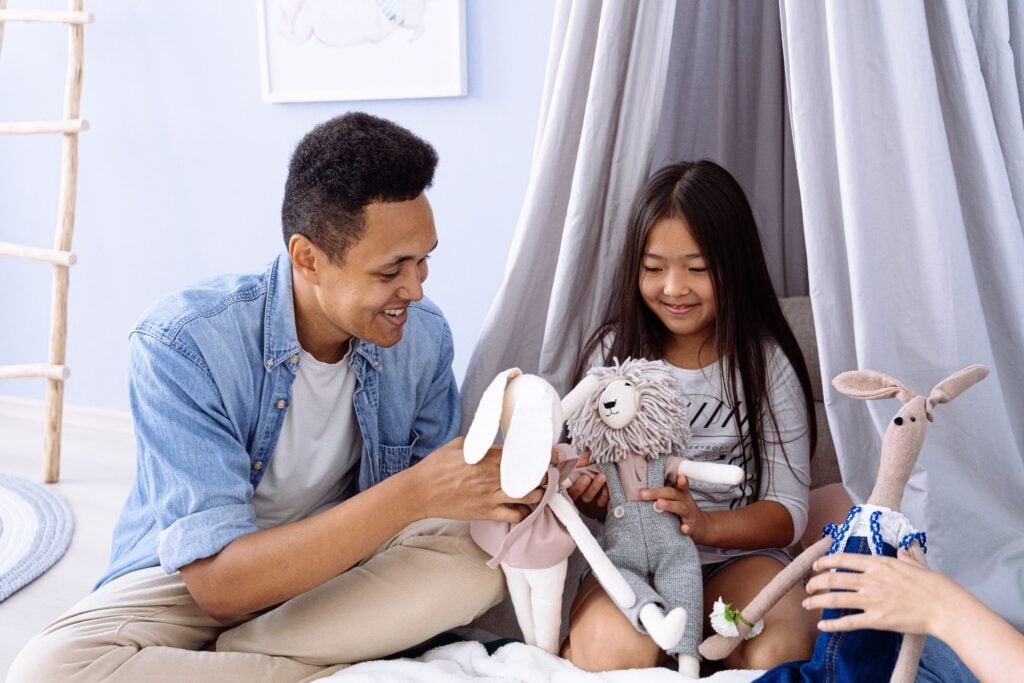
Parents appear to be moving away from flashy digital gadgets in favor of toys that encourage hands-on exploration, creativity, and screen-free fun. From squishy sensory toys to STEM activities, a growing body of research—and new retail data—suggests families are placing greater value on play that engages children’s senses rather than another screen.
Parents are driving demand for unplugged, sensory-focused toys as part of a broader shift in parenting priorities. Drawing on wholesale marketplace data from Faire, products like squishies, plush sensory toys, and educational games are outperforming many traditional toy categories as families seek alternatives to digital entertainment.
That trend aligns with longstanding recommendations from pediatricians. As the American Academy of Pediatrics to Reuters, electronic toys often reduce the amount of meaningful conversation between parents and toddlers compared with traditional toys. The research suggests that traditional toys may be more beneficial because they encourage richer parent-child interaction and language development.
Faire’s Report Reveals What Parents Are Buying
According to online retailer Faire’s Independent Retail Pulse, sensory play has become one of the biggest growth areas in children’s products. The report found that the Stuffed & Plush category grew 628%, with roughly 75% of that growth driven by squishy toys, while Kids’ Toys & Games sales increased 143%. Searches for the word “squishy” also skyrocketed by 18,000% year over year, illustrating just how quickly parents have embraced tactile toys.
Faire says these buying habits reflect a changing philosophy among modern parents, who are increasingly prioritizing screen-free play, educational experiences, and products marketed as sustainable or values-driven. The report also found that Kids & Baby remains one of the platform’s fastest-growing categories during the busy back-to-school shopping season.
Why Sensory Toys Matter
Research published in the National Library of Medicine suggests sensory-rich play supports multiple areas of child development, including cognitive growth, motor skills, attention, emotional regulation, and social interaction. Activities that engage touch, movement, sound, and other senses can help children better understand and respond to the world around them, particularly during their early developmental years.
Unlike many electronic toys that entertain passively, sensory toys invite children to squeeze, stack, sort, build, and imagine. Whether it’s a simple squishy, textured blocks, or a STEM building kit, these experiences encourage problem-solving and creativity while fostering stronger parent-child interaction.
As more families look for ways to balance technology with meaningful play, the latest research suggests the simplest toys may still offer some of the biggest developmental benefits.

