

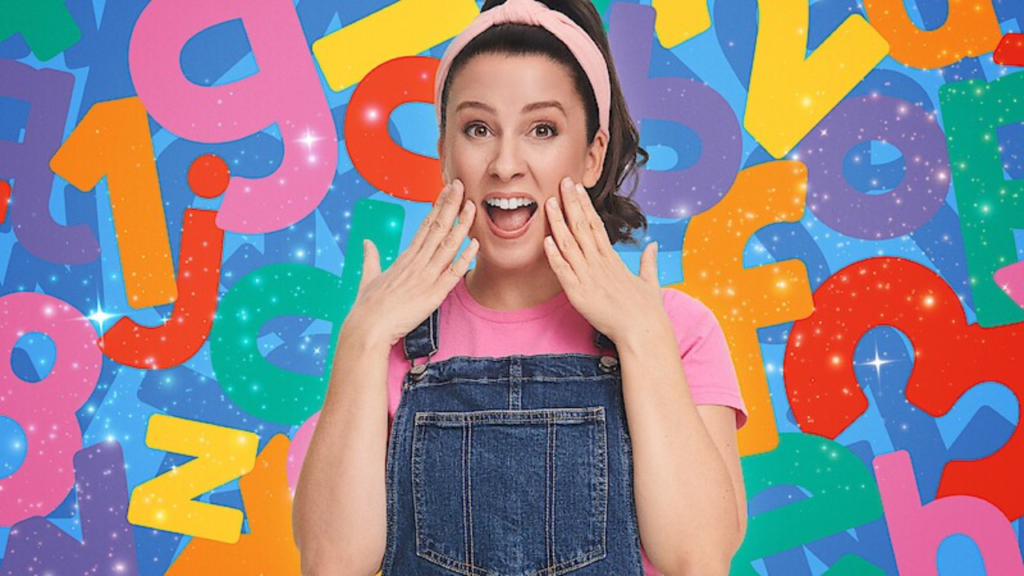
Children’s educator and YouTube star Ms. Rachel called for the retirement of certain classic nursery rhymes due to their deeply problematic and racist historical origins. Appearing on the SubwayTakes podcast, she argued that songs rooted in racial prejudice have no place in modern early childhood education. Instead of passing down troubling stereotypes, she advocates for retiring offensive tracks and creating thoughtful, inclusive alternatives for young listeners.
Specifically, Ms. Rachel targeted “Jimmy Crack Corn,” “Oh! Susanna,” and “Eeny, Meeny, Miny, Moe” as songs that should be immediately retired. The rhymes originated in 1840s blackface minstrel shows, which mocked and stereotyped enslaved Black Americans.
Beyond outright bans on racist material, Ms. Rachel also suggested revising other traditional songs to teach better emotional management and problem-solving. For instance, she proposed changing “The Three Little Kittens” so the mother offers constructive strategies for finding lost mittens rather than withholding food. By removing harmful histories and updating outdated lessons, she aims to foster a safer, more supportive media environment for growing children.
Where Thes Nursery Rhymes Came From
“Jimmy Crack Corn,” also known as “The Blue-Tail Fly,” is an American song that emerged in the 1840s and was popularized through the blackface minstrel tradition. The song tells the story of an enslaved man whose master dies after being thrown from a horse. Although Daniel Decatur Emmett and the Virginia Minstrels are often credited with the song, the exact authorship is unknown.
Sources: Jimmy Crack Corn history and early versions · Mudcat discussion of the song’s early history
“Oh! Susanna” was written by American songwriter Stephen Foster and first performed publicly in 1847. The song became enormously popular and was soon associated with the California Gold Rush, when prospectors adopted it and created variations of its lyrics. Its origins are also tied to the 19th-century blackface minstrel tradition.
“Eeny, Meeny, Miny, Moe” is a counting-out rhyme, used by children to randomly determine who will be “it” or who goes first, but its real origin remains unknown. Similar nonsense-syllable counting rhymes were being recorded the early-to-mid 19th century, including a New York version dating to around 1815. Later versions of the rhyme developed a racist second line that has largely been replaced by the modern “catch a tiger by the toe.”
Sources: Wordorigins: Eeny, Meany, Miney, Moe · Mental Floss: The Origins and History of Eeny, Meeny, Miny, Moe · Oxford-style historical overview
Should These Nursery Rhymes Be Banned?
Many classic nursery rhymes harbor sinister historical origins, ranging from political satire to gruesome execution and plague references. Rhymes like “Mary, Mary, Quite Contrary” allude to religious persecution and torture devices, while “Ring Around the Rosie” has long been linked to bubonic plague symptoms. Despite these dark backstories, most modern children simply experience these songs as playful, rhythmic language exercises.
The debate over banning outdated nursery rhymes often centers on whether historical context negates their developmental value. Proponents of keeping traditional songs argue that young children lack the historical awareness to connect harmless lyrics with centuries-old tragedies. Furthermore, these classic rhymes serve as essential tools for early literacy, helping toddlers build phonemic awareness and memory skills.
Ultimately, outright bans on traditional nursery rhymes are generally unnecessary unless the lyrics contain explicit hate speech or racial slurs. For songs with macabre histories, parents and educators can choose to update the lyrics or simply view them as fascinating artifacts of folklore. By focusing on positive engagement, families can enjoy rhythmic play while thoughtfully guiding what children sing.

