


By the third day of winter break, the new toys have lost their novelty and parents are fielding the same question on repeat: “What is there to do?”
For many households, a tablet is the quickest answer. Education experts said a little planning can offer kids better options without turning the holiday into a second semester.
Rethinking Screen Time
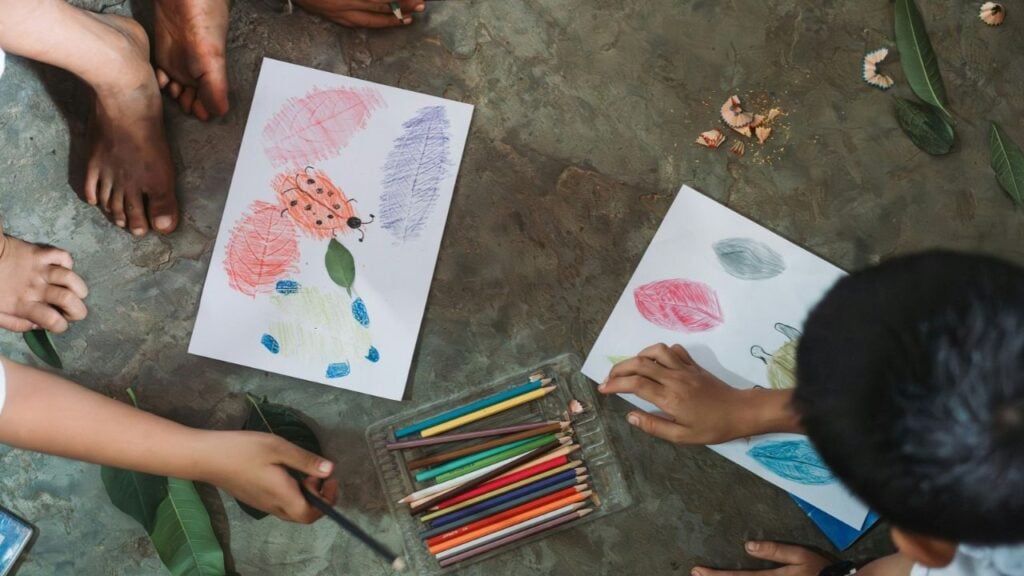
The American Academy of Pediatrics said the research does not support a single screen limit for every child.
The group instead encourages families to focus on the quality of what kids watch and play and to protect sleep, outdoor time and screen-free moments such as family meals.
That approach suits a school vacation. Rather than counting minutes, parents can fill the best hours of the day with activities children actually want to do. A movie on a snowy afternoon is still fine.
1. Build a Loose Routine
Children tend to settle when the day has a few anchors. Movement or a quick kitchen job in the morning, a longer project in the afternoon and a quiet wind-down at night, such as reading aloud or working a puzzle.
Two or three planned anchors a week are enough and a day with nothing scheduled is allowed.
2. Hands-On Projects

Kitchen and craft projects can stretch across several afternoons and require little beyond household supplies. Kids can run a pretend cookie bakery, doubling recipes, setting prices and making change.
Gift boxes can become a cardboard city or marble run, with children sketching and measuring before they cut.
A pantry experiment, such as comparing how fast ice melts under salt versus sugar, lets them make a guess first and record the results afterward.
Adults should supervise anything involving the oven, hot water or knives.
3. Words and Numbers in Disguise
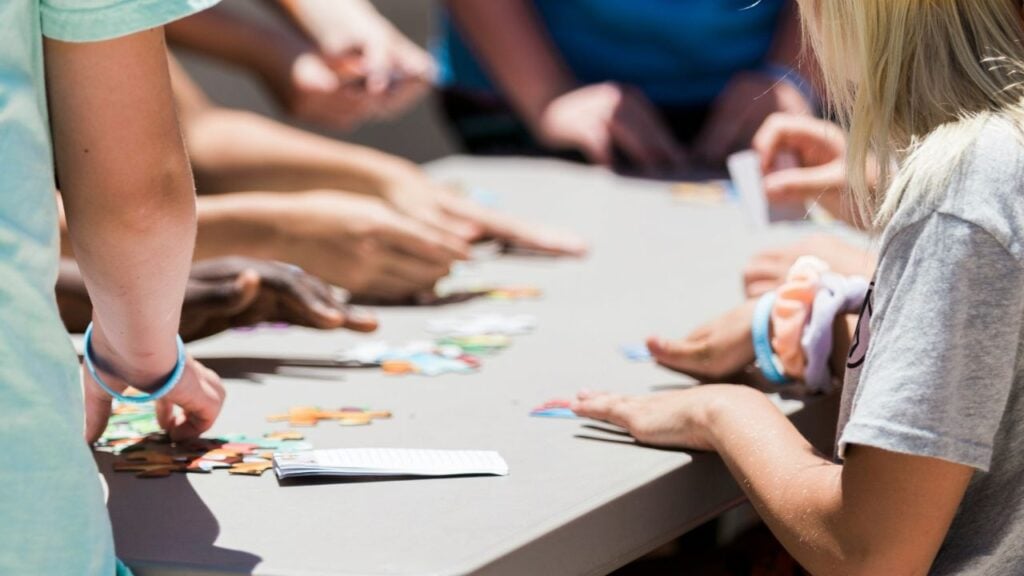
Reading and writing fit naturally into cold-weather downtime.
Families can start a nightly read-aloud, let children pick the book (graphic novels count) and hand out small notebooks for one-sentence journals or comics about the week.
Thank-you notes give kids a real reader and a real reason to write.
Math shows up when children budget a family movie night, snacks included.
Tracking sunrise and sunset times around the winter solstice, which falls around December 21, turns astronomy into a daily habit.
4. Fresh Air, Even in the Cold
A short outing can reset a restless afternoon. Ideas include a neighborhood hunt for animal tracks, a daily weather log recording temperature and sky conditions, or an evening walk to see holiday lights. When ice keeps everyone indoors, a living room obstacle course counts as exercise.
5. Know When To Relax
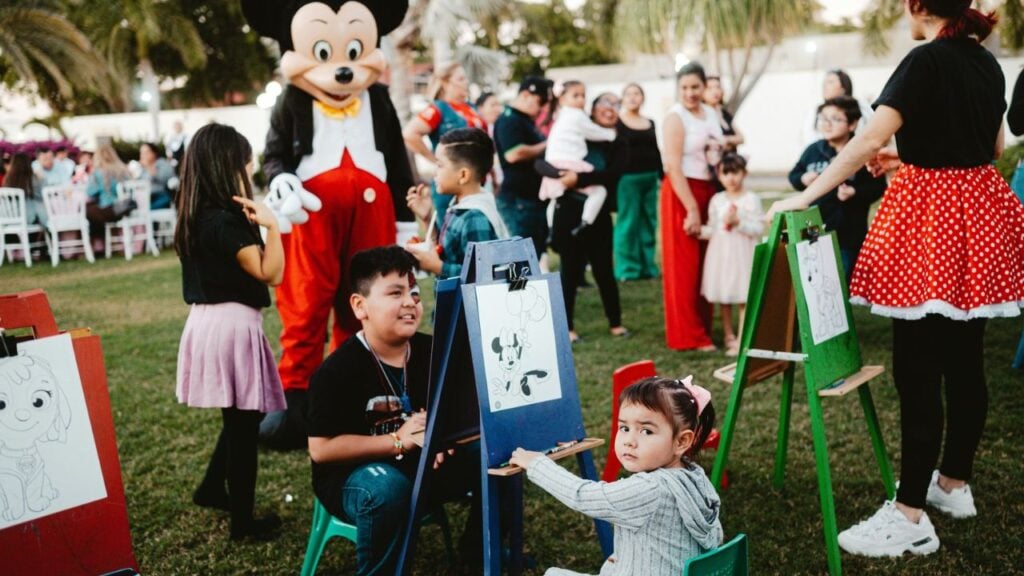
Teenagers tend to respond to projects with a real outcome, such as cooking a family dinner each week or writing a short story to share, more than to assigned tasks.
Traveling families can pack a notebook, a deck of cards and a book to keep a routine going on the road.
Parents advised against overpacking the schedule. Some families skip academics entirely over break, and that is a legitimate choice.
If the plan adds stress, parents can scale it back. Afternoon slumps are when screens tend to creep back in, so having a snack and a project ready can help.

