

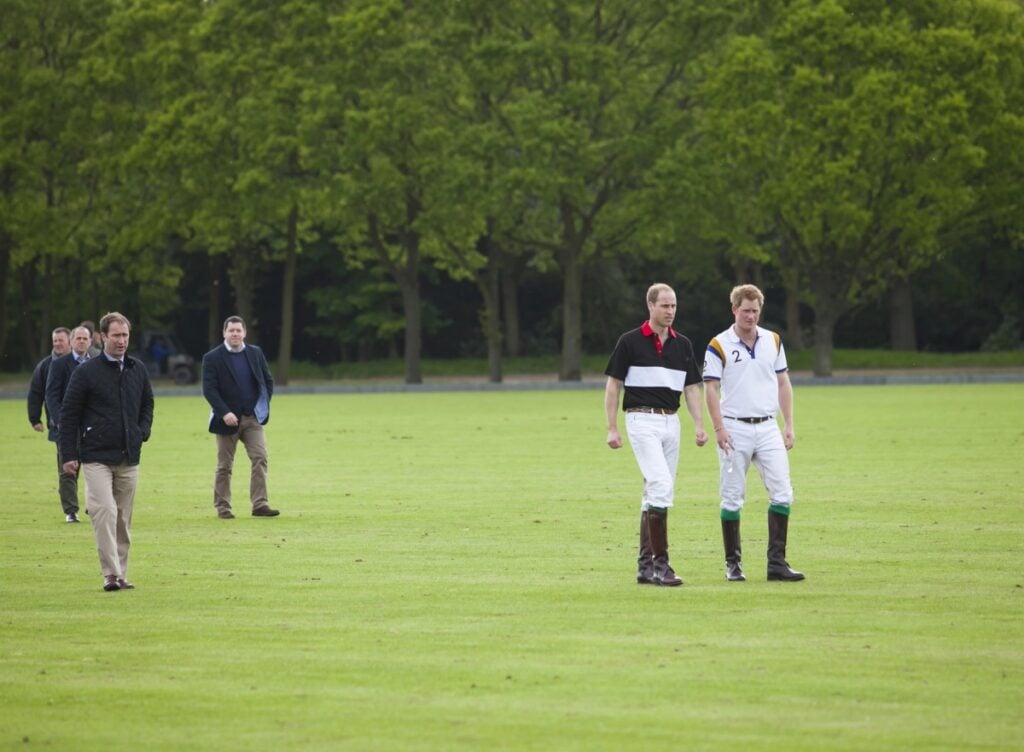
Prince William’s three children are old enough to grasp that something has gone seriously wrong between their father and uncle Prince Harry, and old enough to understand that asking about it is simply not something they do.
That quiet, unspoken awareness, growing up in a household where a major family rupture sits just beneath the surface, is now the emotional reality for Prince George, Princess Charlotte, and Prince Louis.
Royal commentator Richard Fitzwilliams put it plainly in a recent interview, noting that the children feel the tension but know it’s off-limits as a topic with their father.
Given that William and Harry have not spoken in over three years, and given how publicly the Sussex situation has played out, it would be nearly impossible for the Wales children to be shielded from it entirely.
What The Expert Says The Children Almost Certainly Know
Fitzwilliams, speaking to the Daily Express, was direct about the children’s awareness. “They would subsequently undoubtedly be aware of Harry and are likely to know or have read that there are serious problems when it comes to their uncle, not to mention aunt Meghan,” he told the outlet, as cited by the Times of India.
“We understand that William has not spoken to Harry for over three years and that the rift remains deep.”
The commentator also acknowledged that Harry’s personality makes him hard to forget. According to Yahoo Entertainment, Harry’s well-known ease around children, visible whenever he appears at charitable events, makes his absence from the Wales children’s lives all the more striking.
That warmth, combined with the abrupt disappearance of Harry from their daily lives, likely makes the absence all the more confusing for younger royals who once knew their uncle firsthand.
When Harry and Meghan stepped back as senior working royals in early 2020, George was six, Charlotte was four, and Louis was just one year old. They were young then, but they are not young now. Fitzwilliams noted that children who sense family tension learn quickly which subjects to avoid.
“When one is very young and is aware there are family problems, there are subjects it is simply not tactful to bring up,” he told the Daily Express, “The subject of Uncle Harry may well be one of them.”
A Rift With Deep Roots, And Real Consequences For The Next Generation
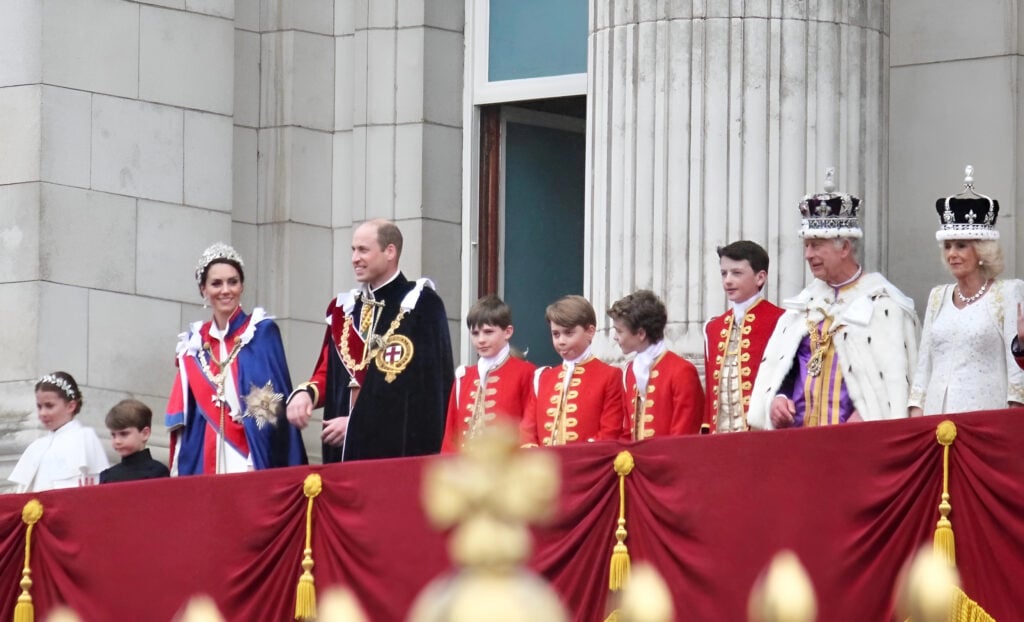
The fracture between the brothers did not appear overnight. Royal expert Robert Hardman has framed William’s position in stark terms, warning that the future king will not tolerate anything that threatens the monarchy’s standing.
Hardman said: “When there’s a moment where some member of the family… jeopardizes the reputation of the brand, he’s not going to put up with it.” Author Christopher Andersen has also pointed to tensions that predated Meghan entirely, rooted in Harry’s awareness of his lower rank within the institution compared to his older brother.
Richard Fitzwilliams told the Daily Express that the depth of the current estrangement carries a particular sadness when viewed through the lens of what once was.
“The sadness of a rift as deep as the one Harry and Meghan deliberately created when they attacked the royal family so brutally in public for financial gain means that Harry is, so far as we know, not a part of their lives,” he said, as quoted by the Daily Express US.
It is worth noting that after Charlotte was born in 2015, Harry was reportedly very young when he first met his niece and nephews, and Fitzwilliams has observed that he is “famously good with children”, a reminder of how dramatically the family dynamic has shifted in the years since.
Sources close to William suggest his anger is particularly acute when he perceives Harry as drawing his children into the dispute. An insider told In Touch that “William is ferociously protective of his wife and kids, even the whiff of Harry dragging them into his woe-is-me narrative gets his hackles up.”
Reports that Harry has publicly expressed concern about his niece and nephew playing second fiddle to their older brother are said to have further inflamed the Prince of Wales.
The Other Children Caught In The Middle: Archie And Lilibet
The generational cost of this rift extends beyond Kensington Palace. Harry and Meghan’s own children, Archie and Lilibet, are growing up in California without the extended royal family network their cousins in the UK enjoy.
A source told the Daily Mail that “Archie and Lili are having a lovely time in California, but Harry is very sad that they are missing out on life with the rest of their family.” The same source added that Harry feels his children are missing out on the extensive family network their cousins enjoy.
King Charles, for his part, has had limited contact with his Sussex grandchildren since the family relocated to the United States. A source told the Examiner that “from Charles’s perspective, this is about repairing a relationship with Harry and building a relationship with his grandchildren,” adding that he is “highly motivated in that sense.”
That motivation, however, puts Charles at odds with William, who, sources say, views reconciliation with the Sussexes as a non-starter, at least while the current dynamic remains unchanged.
According to RadarOnline, when William assumes full control of the monarchy, he intends to cut off the Sussexes with great pleasure, drawing a firm line with them permanently.
Sources close to William also suggest he places the primary blame for the rift on Meghan rather than Harry, believing she fundamentally altered Harry’s relationship with the institution and with the people closest to him.
What Psychology Tells Us About Sibling Rifts That Last
The William-Harry situation may be uniquely royal in its scale, but the underlying dynamics are not unusual. Research on adult sibling rivalry and long-term estrangement shows that how children feel they are treated by their parents ranks among the most reliable drivers of lasting conflict between brothers and sisters.
Megan Gilligan, PhD, an associate professor of human development and family studies at Iowa State University, told WebMD: “We’ve found it when folks are in their 50s and 60s, and even after parental death.” The sense of being treated differently, whether real or imagined, can calcify into resentment that outlasts the original grievance by decades.
Gilligan also noted that siblings are often the first people we compare ourselves to, and that those early comparisons shape how we see ourselves and each other well into adulthood.
For two brothers raised inside one of the world’s most hierarchical institutions, where one was heir, and the other was spare, those comparisons were built into the structure of their lives from the beginning.
What stands out here is not the royal drama itself but the children absorbing it in silence. George, Charlotte, and Louis are navigating something many kids in families touched by estrangement know well: the awareness that a painful subject exists, combined with the instinct to protect a parent by not bringing it up.
That is a real emotional burden, regardless of whether you live in a palace or a two-bedroom apartment. Families dealing with their own sibling rifts, divorces, or estrangements might recognize this dynamic in their own children, who often understand far more than adults assume, and carry it quietly.

