

Two new studies linked a rise in dangerous bleeding among U.S. babies to a growing number of parents refusing a routine vitamin K shot at birth.
The research, published on Thursday, is the first to show bleeding rates rising alongside refusals of the injection. Although the studies do not prove one causes the other, doctors reportedly said that the timing is hard to ignore.
What The Studies Found
A team led by Steven Woolf, an epidemiologist at Virginia Commonwealth University, analyzed health records for more than 11 million infants born between 2017 and 2025.
The number of babies who skipped the shot doubled over that period. Bleeding tied to vitamin K deficiency rose 347 percent, to 107.4 cases per 100,000 infants.
One analysis found that babies who did not get the shot had a 47 percent higher risk of bleeding in their first six months. Researchers also calculated that for every 114 newborns who go without it, one additional bleeding event occurs.
A separate study found that more than 5 percent of U.S. babies missed the shot in 2024. That was a 77 percent jump from 2017.
The trend appears to be speeding up. An analysis by the health data company Truveta, covering more than 1 million births, found refusals rose more than 57 percent in the first half of 2026.
Do These Shots Matter To Babies Born With Low Levels Of Vitamin K?
Babies are born with low levels of vitamin K, a nutrient that helps blood clot. Little of it crosses the placenta and neither breast milk nor formula supplies are reportedly enough.
The American Academy of Pediatrics has reportedly recommended the injection within 24 hours of birth since the early 1960s.
It protects against bleeding that can occur in the first days or weeks of life, including bleeding in the brain and stroke.
What Happened To Babies Whose Parents Refused The Shot?
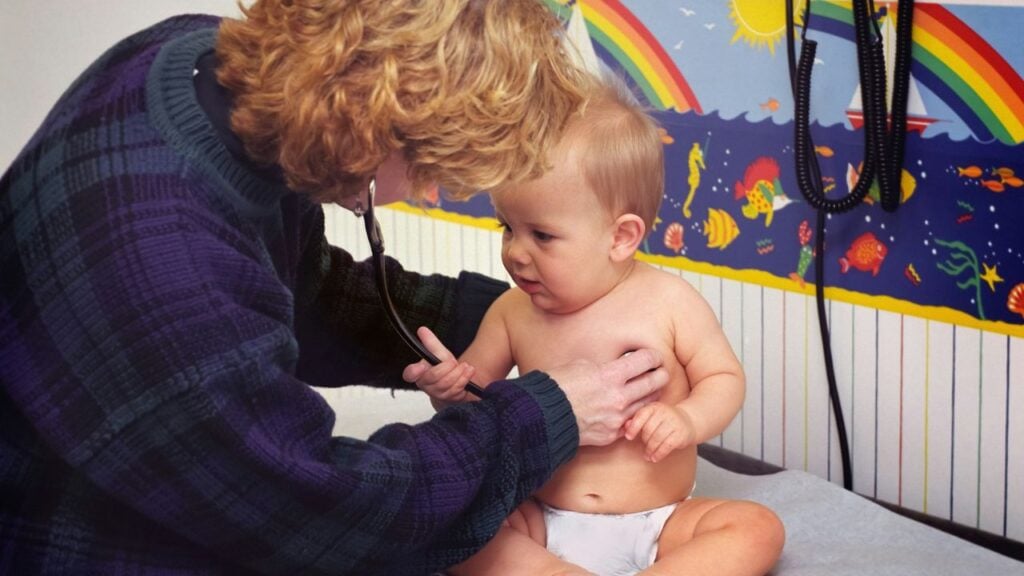
An investigation in May reported that babies were bleeding and dying after their parents refused the shot. Lawmakers then urged the Centers for Disease Control and Prevention (CDC) to track refusals and deaths and to make the figures public.
A Department of Health and Human Services spokesperson said the CDC still recommends the shots but would not say whether it will begin tracking refusals or bleeding events.
The study wrote that the shot may be a victim of its own success. Because the bleeding it prevents is now so rare, many families may not know how serious it can be.
Researchers have reportedly called for clear, consistent messaging from public health leaders at every level.

