

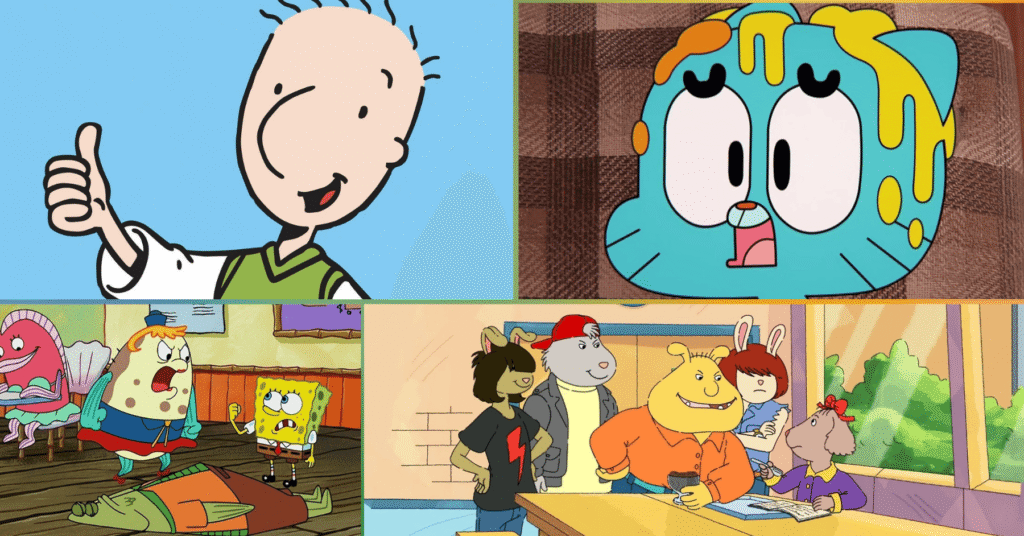
Cartoons on Bullying often capture moments that feel uncomfortably familiar to kids: cruel comments, put-downs, teasing meant to embarrass, or behavior meant to intimidate. Whether it shows up as name-calling, exclusion, or physical aggression, bullying leaves real emotional marks. Through visual storytelling and character-driven moments, animated episodes can make those effects easier for children to recognize and understand, showing how repeated nitpicking, avoidance, and pushing can slowly wear someone down. These lessons all resonate with me a a mom to several kiddos, and they are all worth watching with your own children.
What makes cartoons especially effective is their ability to give a voice to kids who are being hurt. These stories don’t just show the bullying; they explore how it feels to be targeted, how silence can amplify the damage, and how speaking up or seeking help can shift the power dynamic. By watching characters navigate these situations, children can better identify bullying in their own lives and understand that harmful behavior is not acceptable.
Below are a bunch of cartoons on bullying that help children see why hurting others is wrong and how empathy, accountability, and support matter. Series like Arthur frequently approach bullying in age-appropriate, thoughtful ways, highlighting the emotional impact on victims while also showing real consequences for those who bully. Beyond Arthur, many cartoons throughout animation history have tackled bullying with clarity and care, offering valuable lessons for kids at different ages.
“The Bully” From SpongeBob SquarePants (Season 3, Episode 43b)
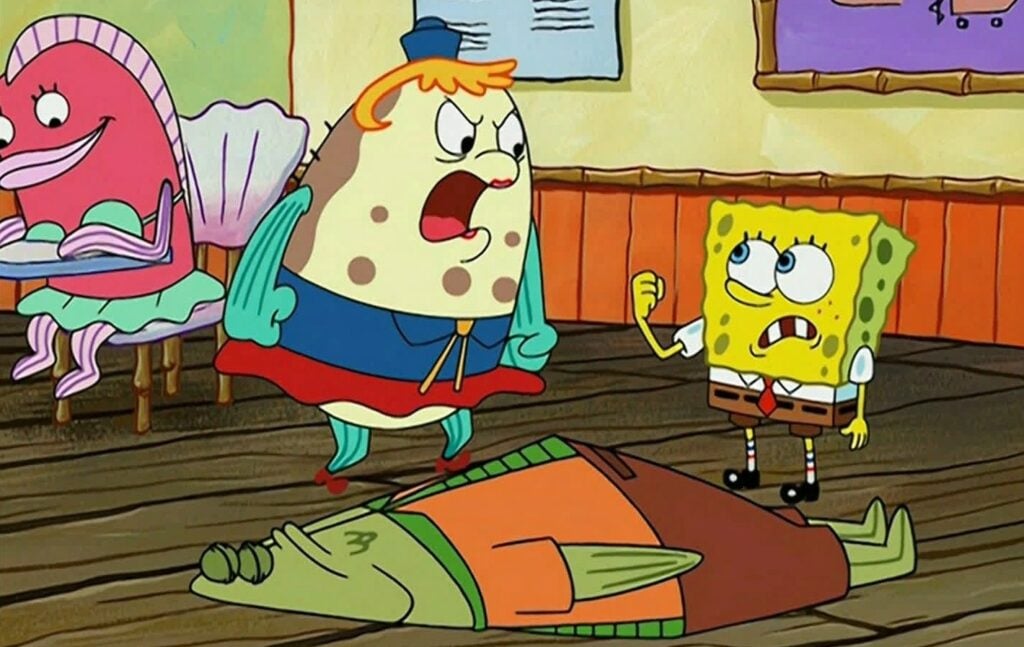
This SpongeBob episode was my first exposure to cartoons on bullying as a child. Flats the Flounder is a new student at SpongeBob’s beating school. SpongeBob is eager to make a new friend. However, Flats has other plans for making SpongeBob his personal punching sponge. SpongeBob seeks help from Patrick and even his classmates, but none of them are willing to intervene for fear of getting beaten up themselves. He prepares for the worst when it’s time for Flats to “kick his butt” but instead, his sponginess keeps him protected from harm. Flats tires himself and falls over at the end of the episode to where Mrs. Puff thinks SpongeBob kicked Flats’ butt.
How “The Bully” Teaches Children About Bullying: This episode teaches kids, through humor and exaggeration, how to handle fears of being targeted by mean individuals. Anything can happen under unexpected circumstances. What may be an opportunity for friendship could turn into someone picking on another person because of a lack of connection. Seeking help is best when feeling unsafe around a bully. Keep looking for someone who will listen.
“Arthur’s Big Hit” From Arthur (Season 4, Episode 1b)
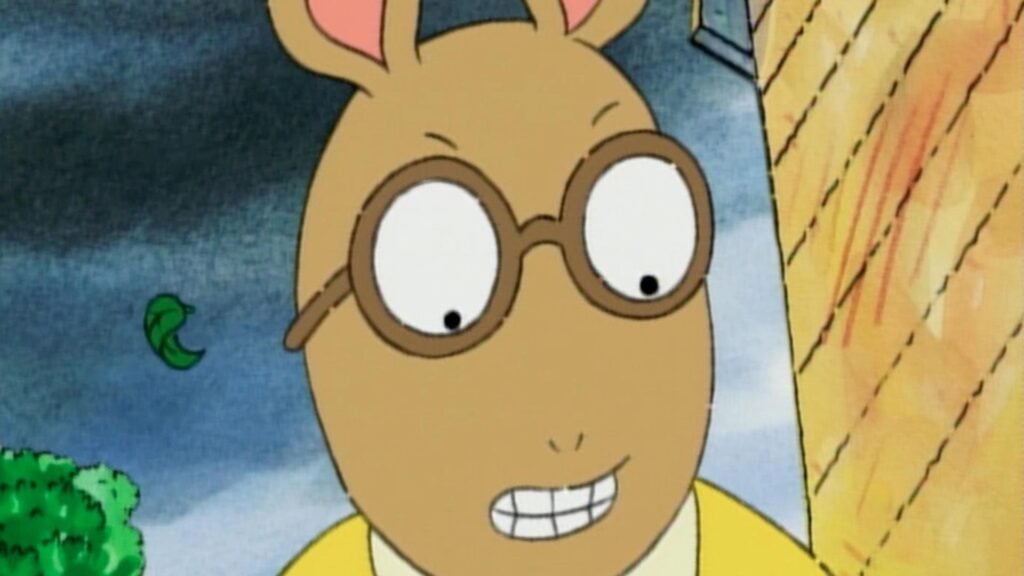
D.W. enrages Arthur to the point that he punches her in the arm. The trigger? She throws a model airplane out of his bedroom window, thinking it’ll fly, but it breaks. His parents grounded him when Arthur refused to apologize. Bullies’ peer pressure Binky to hit Arthur. He’s unsure at first, but he gives in to the peer pressure and hits Arthur when the school bullies are watching. Arthur apologizes to D.W. because now he knows how it feels to get hit. Binky says sorry to Arthur, too.
How “Arthur’s Big Hit” Teaches Kids About Bullying: Anyone can act like a bully when emotions run high without proper regulation. Even a calm, kind person could be pushed to the edge of practicing bullying tendencies if they refuse to filter their rage and anger. Learning to communicate verbally using “I” statements can help kids explain their emotions in a healthy and respectful way. Take a deep breath and find your happy place to tame the flaring anger. Doing so helps channel negative emotions to reduce physical or verbal bullying.
“The Last Tough Customer” From Arthur (Season 16, Episode 6a)
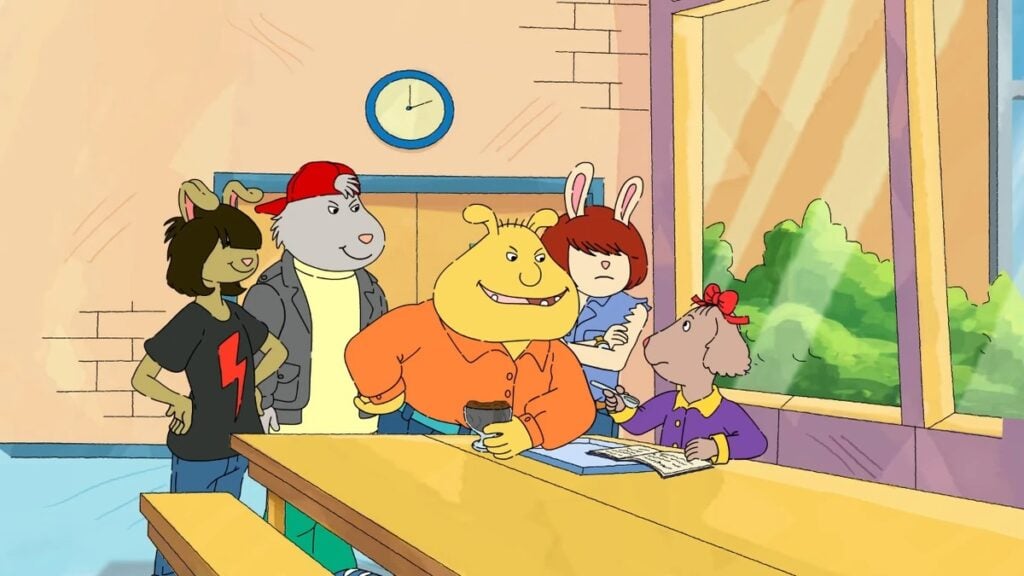
Rattles throws insulting name-calling at Arthur, which doesn’t affect him. He tells Rattles to come talk to him when he has better insults to throw at him. A side story shows Molly bullying George, Binky, and Muffy. James surprises Molly when he pushes a girl away from the water fountain to get a drink. Molly changes her ways and sends apology letters to her victims after realizing James started bullying because of seeing Molly’s behavior.
How “The Last Tough Customer” Teaches Children About Bullying: Bullying is like a bad disease. When one person does it, the negative feelings and desire for control are transmitted to other individuals’ minds. Kindness can be just as infectious. Choose to help others and stand up for the people bullies target. It can change their mindsets to be kind rather than aggressive toward others.
“Brain’s Chess Mess” From Arthur (Season 16, Episode 6b)
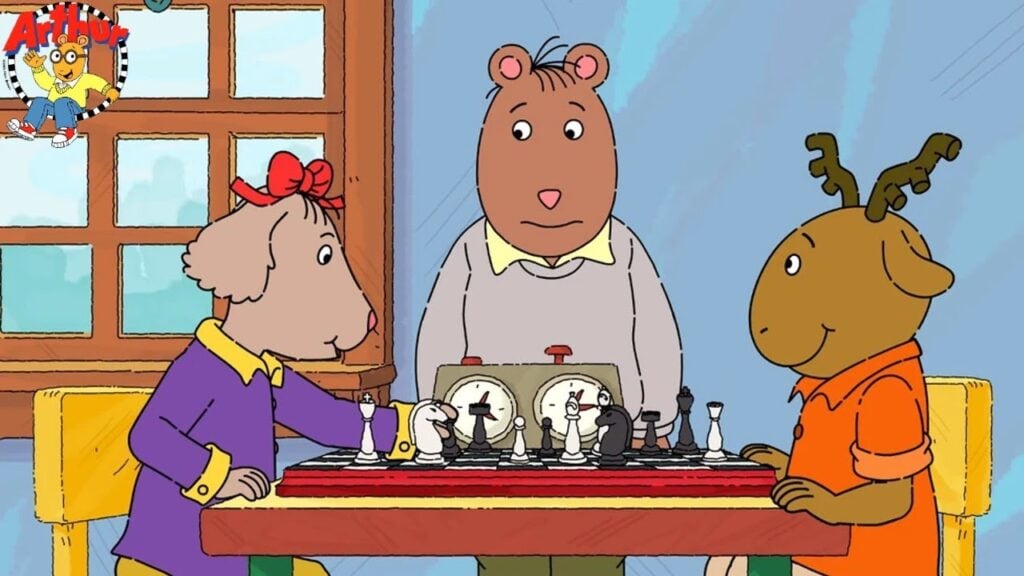
A girl named Los Dedos is playing chess against Brain. She rubs her win in rather than encouraging Brain that he may do better next time. Annoyed at these harsh words, Brain channels these negative vibes into something positive by starting a Chess Club at school. Buster, Fern, Mrs. MacGrady, Binky, and George join the club. Los Dedo challenges Rattles to a chess match, saying he might not be able to beat her. Rattles also joins the club to properly teach all the members how to play the game. Rattles fakes a stomach ache on the day of the tournament, and Brain has to take his place. Brain wins the chess match against Los Dedos, teaching her a lesson that she can’t win them all.
How “Brain’s Chess Mess” Teaches Children About Bullying: Bragging and taunting are also subtle and inappropriate forms of bullying. Arrogance and mocking can discourage others. Enduring negativity from bullies can be positively channeled through growth and inclusion rather than retaliation. Most of the time, bullies say or do mean things to compensate for something lacking in their lives. Give opponents encouragement when they lose a game rather than rubbing it in their faces to build good sportsmanship. The same goes for losing opponents. Rather than rage quitting, take the loss with grace and congratulate the winner.
“So Funny I Forgot To Laugh” From Arthur (Season 16, Episode 10a)
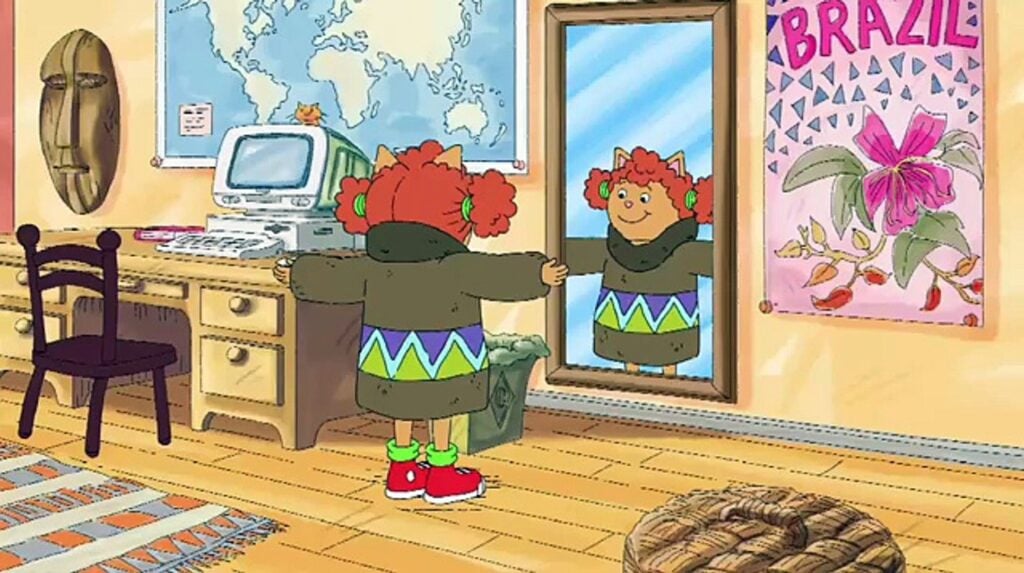
Arthur unknowingly becomes a bully again later in the show after hitting his sister 12 seasons earlier. He starts to make fun of Sue Ellen’s sweater, saying she looks like a sheepdog while wearing it. She feels hurt from his mean comments, believing her yak wool sweater from her Tibetan pen pal, Tenzin, is actually cozy and nice. Arthur kept up the same joke over a few days, thinking it was harmless, good fun. However, Sue Ellen keeps asking him to stop the mean comments and Arthur refuses to cease his bad behavior. One day after class, Mr. Ratburn explains to Arthur that he is bullying Suethaten and that he needs to improve his behavior immediately. After an apology letter, he writes that she overreacted and sends an email with Sue Ellen’s head photoshopped onto a dog. Sue Ellen tells her friends she’s ready to switch classes to avoid Arthur’s insults. Arthur finally gives her a sincere apology in person when he realizes the error of his ways.
How “So Funny I Forgot To Laugh” Teaches Children About Bullying: Jokes and constant teasing without stopping when asked is a bullying type that creeps up on victims over time. People don’t want to hear constant insults about how they look, the clothes they choose to wear, or the overall decisions they make. If someone asks you to stop teasing and you refuse, this is full-fledged bullying. A joke here and there is okay as long as the recipient is welcoming. After a while, the joke gets stale while belittling the person lower and lower into a hole of sadness and anger.
“Helga’s Makeover” From Hey Arnold! (Season 1, Episode 4a)
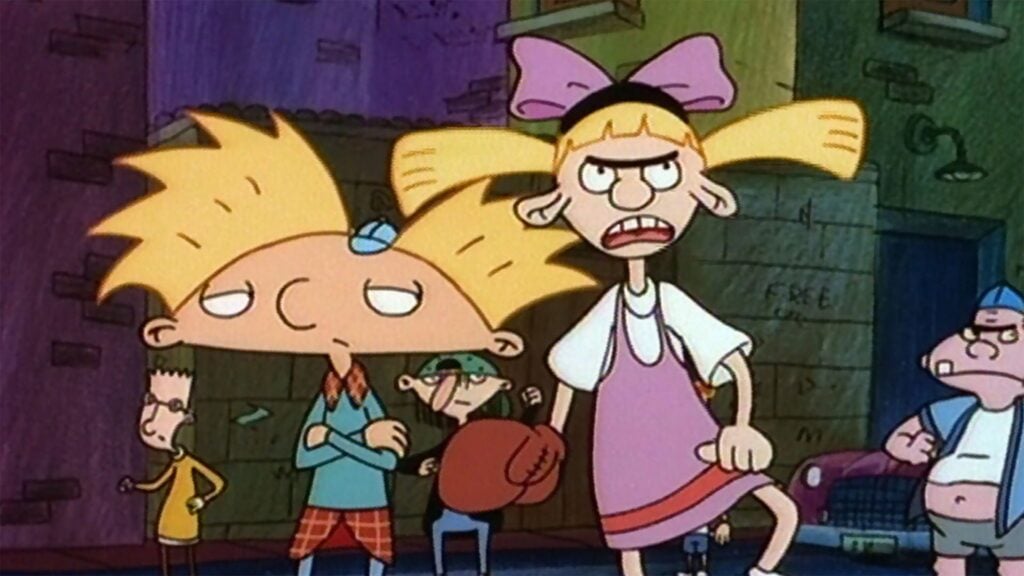
In this episode of Hey Arnold!, Rhonda invites every girl her age in the neighborhood, except Helga, because Helga isn’t as feminine as the other girls. Boys in her class start taunting Helga for not acting like a girl enough. Helga decides to do a makeover so she looks more like a girly girl. She shows up at Rhonda’s slumber party and surprises all the girls with her makeover. They welcome Helga into the sleepover so she wouldn’t feel left out. It turns out the boys were spying on the girls, so they tied the boys up in retaliation. Phoebe and Helga agree that this was an awesome way to host a party like this.
What “Helga’s Makeover” Teaches Kids About Bullying: No one should feel the need to alter their appearance or behaviors for others to accept them. Stereotypes on how boys and girls “should” act lead to teasing, exclusion, and name-calling. Social pressures from gender expectations can make certain people feel like a hollow shell because they act differently. No one should be judged for how they want to dress or act unless their behavior hurts someone. It’s not right for people to fit a specific mold; they should always embrace their individuality first. It’s a great nostalgic cartoon on bullying if you want to introduce you own children to a bit of nostalgia from your own childhood.
“Stoop Kid” From Hey Arnold! (Season 1, Episode 3b)
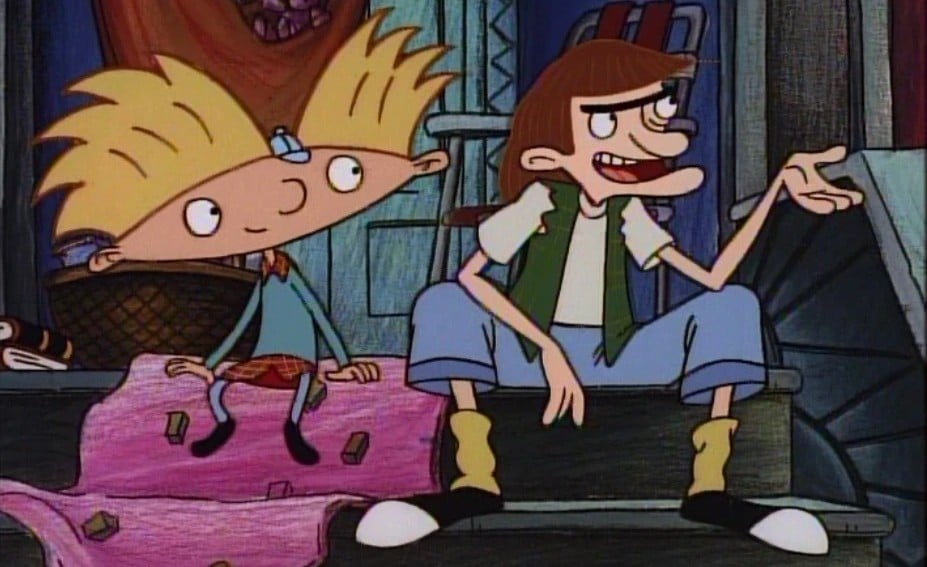
Gerald tells Arnold about the legendary Stoop Kid, who verbally harasses passersby without ever leaving his stoop. Arnold and his friends are playing football one day, and the ball lands on Stoop Kid’s property. He refuses to give it back to Arnold and his friends, forcing Arnold to think creatively about how to get it back. He’s able to get his football back as Stoop Kid screams obscenities again without leaving his property. Arnold feels bad for Stoop Kid, eventually encouraging him to leave so he can explore the world. When the morning paper comes one day, Stoop Kid comes off his stoop, and he thanks Arnold for believing in him.
How “Stoop Kid” Teaches Children About Bullying: A bullying victim could eventually help their aggressor by displaying understanding and empathy, even as they endure the pain the bully causes. Bullies act out because of fear, insecurities, or isolation. Someone who is patient and kind enough to get to know a bully can build a true connection to help tame their mean tendencies. Standing up to someone doesn’t always mean confrontation or retaliation. Offering support, encouragement, and trust can foster a new friendship that helps a bully build better social habits.
“Paste Makes Waste” From The Powerpuff Girls (Season 1, Episode 15)
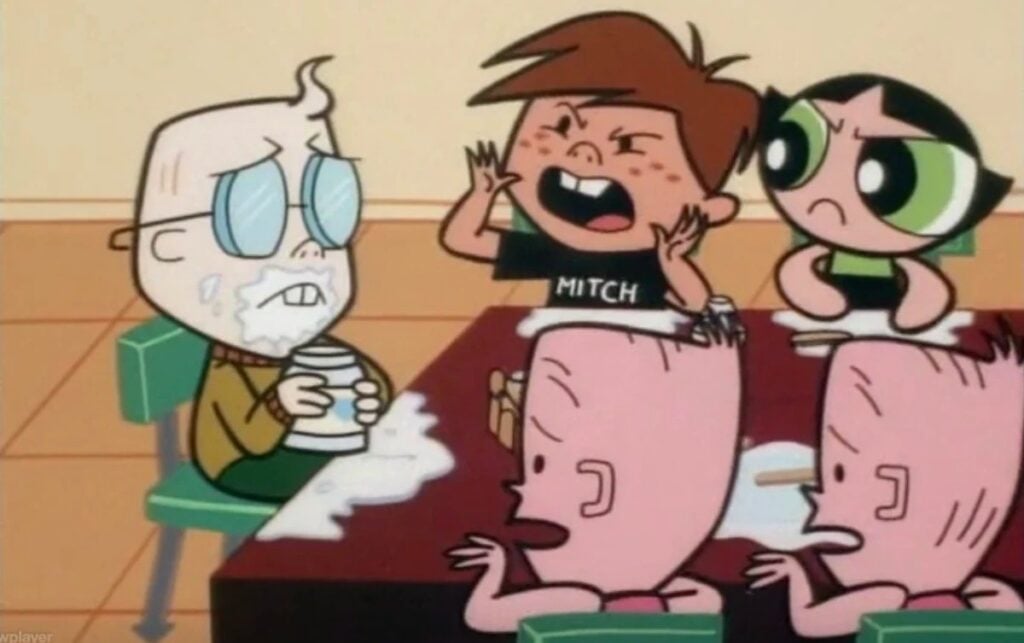
I remember this Powerpuff Girls episode like it was yesterday. Now that I’m an adult, I find it hilarious that the boy who ate glue was named Elmer, like the popular brand name for school glue. Elmer gets teased for eating paste. Buttercup and Mitch tease Elmer the most, making him enraged and eventually transforming him into a giant glue monster that rampages through Townsville. Buttercup’s apology helps him calm down, and everyone includes Elmer in their recess activities at the end of the episode.
How “Paste Makes Waste” Teaches Kids About Bullying: Bottled-up hurt and embarrassment from bullying can turn into rage. Bullies should take responsibility and accountability for how they have hurt others with their words and actions. Don’t wait until they’re overwhelmed to come to a breaking point. Choose empathy over poking fun at others. Be kind and include others because feeling left out hurts.
“The New Kid” From Recess (Season 1, Episode 2)
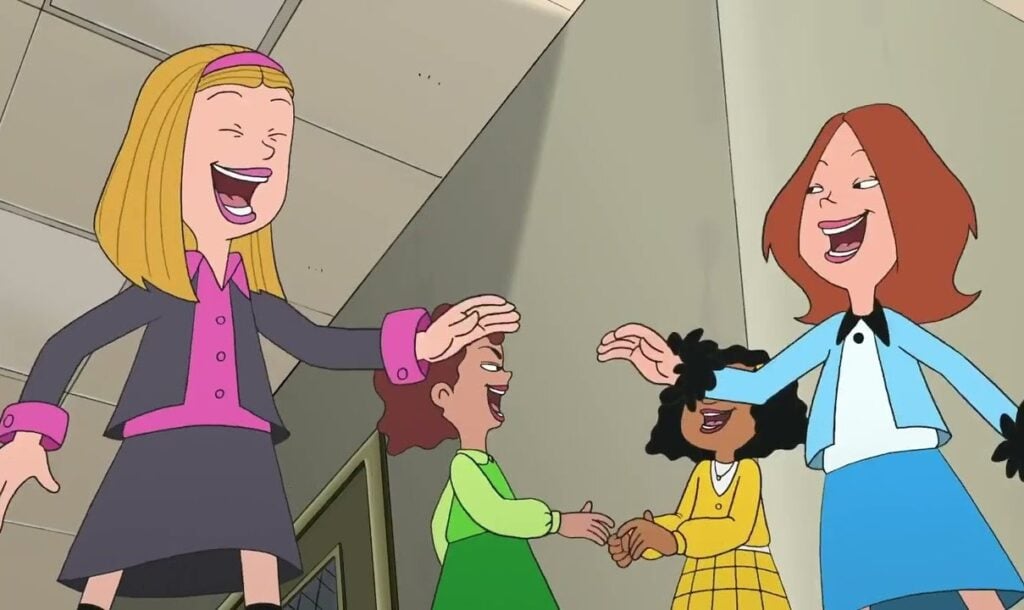
Everyone starts calling Gustav “Gus” Griswold the new kid rather than by his actual name. King Bob designates nicknames to the new kids and has a rule that no one can talk to them for 48 hours. The Recess gang goes against thisssss rule and takes Gus in as their new friend. They eventually confront King Bob to demand that Gus get his real name back because of how much being called “The New Kid” annoys Gus.
How “The New Kid” Teaches Children About Bullying: Alienation and name-calling are also forms of bullying. Address individuals by their given names or by what they wish to be called to show respect. Assigning unwanted nicknames makes individuals feel a loss of identity, longing to belong. Not including someone because they are the new kid or different from the crowd can make them feel unworthy and isolated. I always remind my eldest to be kind to new students because they could feel nervous and anxious about attending a new school. I’m so blessed to have a thoughtful and friendly young lady who looks out for all their friends.
“First Name, Ashley” From Recess (Season 1, Episode 7)
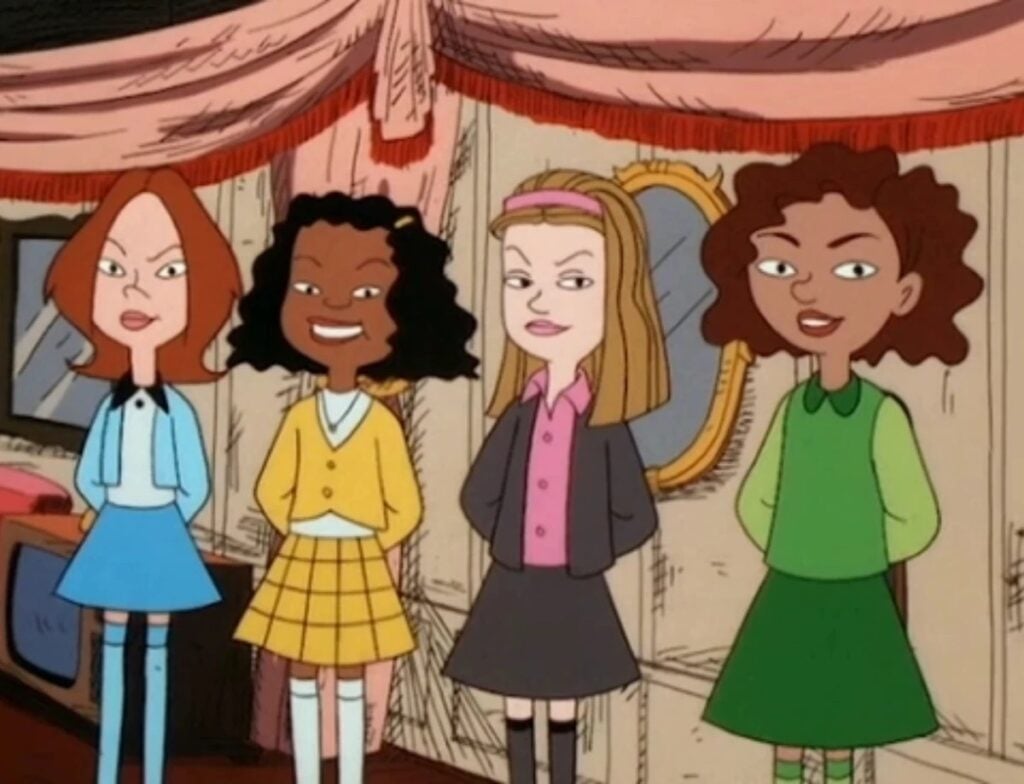
This Recess episode resonated with me so much as a kid because I also wished I could fit in with the crowd. Spinelli’s first name is Ashley, but she doesn’t hang out with the clique of four girly girls with the name, Ashley, either. Randall reveals to everyone that Spinelli’s first name is Ashley, so now she’s forced to join the clique against her will. Spinelli loves that she is named after her great-aunt, but she’s annoyed that the other people with the same name are so snobby. Randall teases Spinelli for wearing a dress while she’s in the clique. The Recess gang helps her escape The Ashleys by changing her name on a fake identity card from “Hustler Kid” to gain entry to the clubhouse. After trashing The Ashleys’ headquarters, they allow Spinelli to be freed from the clique.
How “First Name, Ashley” Teaches Children About Bullying: Pressuring an individual into doing something they don’t want to do is a subtle form of bullying. Doing so disregards their thoughts and feelings about what they disagree with, to the point that they comply to keep the peace. This false sense of peace ruins their identity by forcing them to act. Mocking someone for their identity or appearance can make them ashamed of who they are. Others should respect one’s identity and allow them into a friend group regardless of differences. It’s just the kind thing to do.
“New Girl In Town” From As Told By Ginger (Season 2, Episode 14)
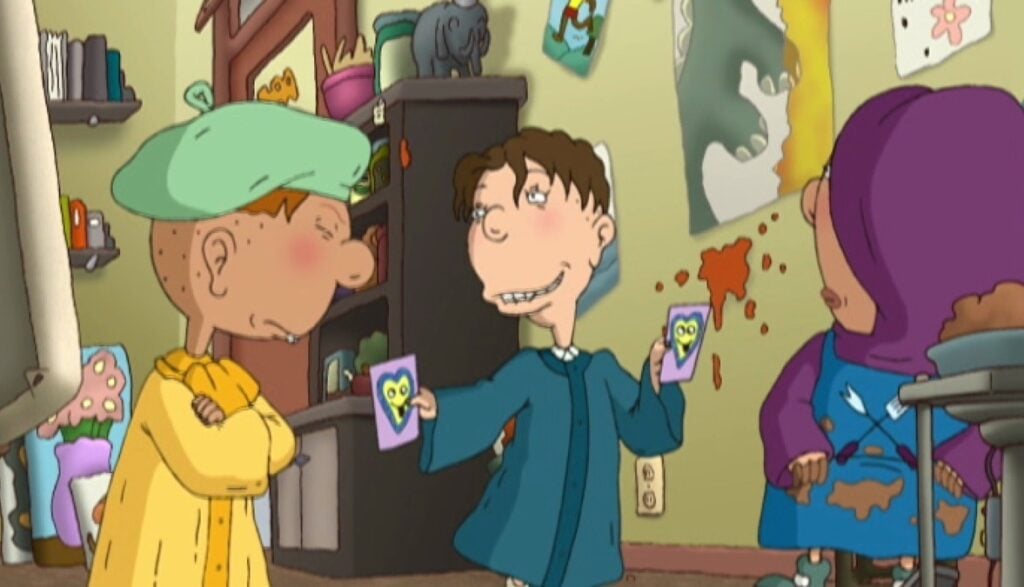
Laetitia Bowers is the new girl in school who has everyone turning heads with her gothic outfit choices and skull head friend that sits on her desk. When other kids prefer to steer clear of her, Ginger, Dodie, and Macie approach Laetitia to build her confidence in making new friends. Ginger bails on Laetitia’s offer to get a ride home from school when she sees Laetitia’s father driving a hearse. Ginger and the girls visit Laetitia’s home to bond, and Ginger suggests throwing a party to make more friends. The popular crew calls Laetitia weird and strange behind her back, causing the girls to believe no one would come to the party. The rumors going around about her father embalming a live person aren’t helping either. Middle schoolers and high schoolers attend the party in the end.
How “New Girl In Town” Teaches Children About Bullying: Rumors and gossip circulating in the community are underhanded forms of bullying that could all be prevented by getting to know someone. Rather than engaging in negative, untrue discussions about a person, approach them and learn who they are. This positive choice forms friendships you may have never thought would happen. Sometimes, succumbing to peer pressure from being associated with someone “different” can also unintentionally contribute to bullying. Everyone has a fair chance to make friends with someone new despite all their differences, flipping the switch on rumors and making true connections.
“Enter The Bullies” From The Proud Family (Season 1, Episode 18)
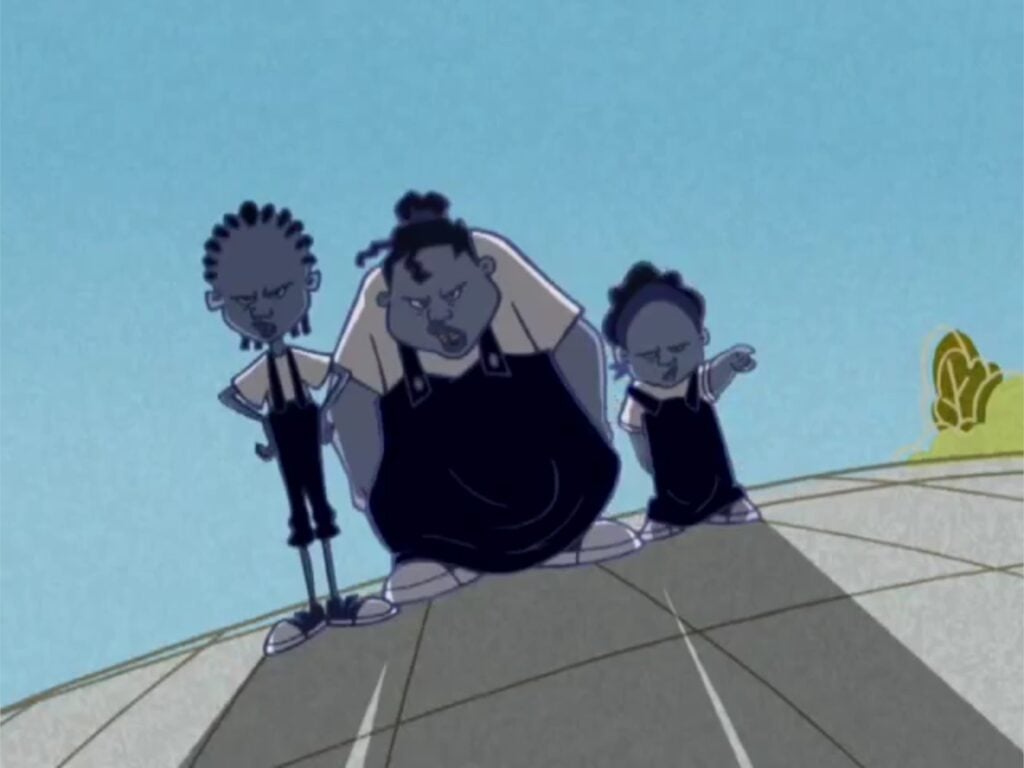
The Gross Sisters always take money from Penny and her friends. Annoyed by the girls stepping all over them, Penny reports them to the principal. However, the Gross Sisters target Penny when her name gets out about who snitched on them. Oscar and Trudy, Penny’s mother and father, go with her to visit the Gross Sisters’ household to sort everything out. Disagreements between Oscar and the Gross Sisters’ father arise when he realizes that their car was the one that pulled out in front of them on the drive over. Penny teaches the Gross Sisters how to manage the money they already have so they don’t have to keep taking from everyone else.
How “Enter The Bullies” Teaches Children About Bullying: Bullies taking things from others shows something lacking in them physically or emotionally. Speaking up to trusted adults helps to diffuse the situation. However, everyone should do their best not to let a reporter’s name become public so that no retaliation occurs. Whether it’s the victim or another trusted person, they should continue working with the bully to get to the root of their mean behavior and help achieve a positive turnaround.
“Samantha’s Choice” From McGruff The Crime Dog
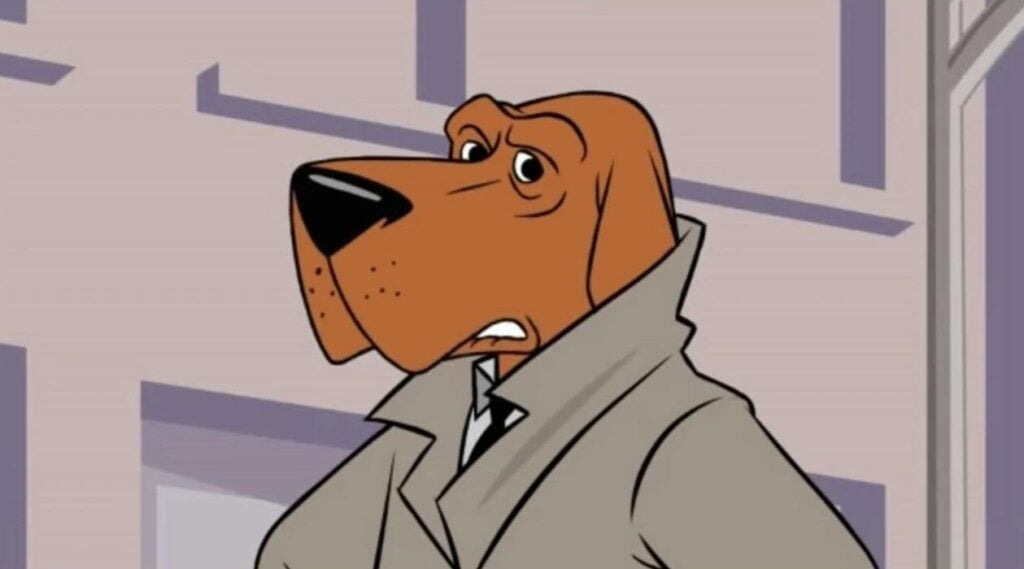
McGruff the Crime Dog has a short anti-bullying film on YouTube called “Samantha’s Choice”. Two girls, Mindy and Bermuda, bully Samantha, saying that she is too fat to do ballet. McGruff’s nephew, Scruff, was scared to help stand up to Samantha’s bullies. His uncle tells him to stand up for his community the next time he witnesses bullying. McGruff visits Samantha and teaches her how to stop, talk, and walk to ward off her bullies.
How “Samantha’s Choice” Teaches Children About Bullying: Retaliation isn’t the best way for a bullying victim to handle their aggressors. They can show self-respect and self-confidence by ending conversations with bullies, telling them their accusations aren’t true, and walking away from the situation. Bystanders should also step in to help individuals being bullied because it’s the right thing to do. It’s natural to be scared of what could happen by stepping in, but it will be better for the victim if they receive help rather than enduring the hurt alone.
“Doug’s Big Brawl” From Doug (Season 3, Episode 4b)
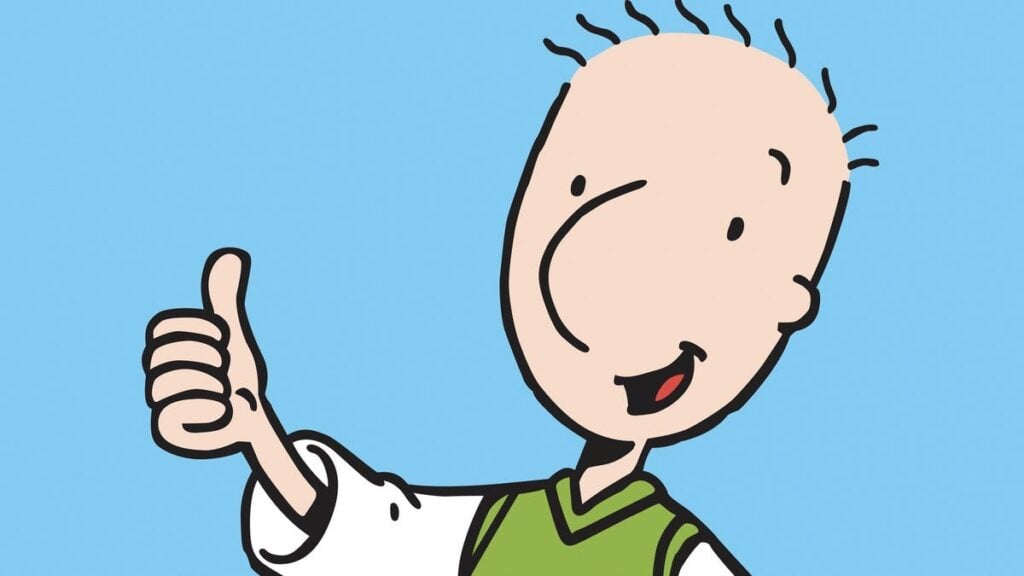
Larry the A.V. Nerd punches Doug, prompting Doug to retaliate and punch Larry back. The other A.V. nerds gang up on Doug for what he did to Larry. Their peers think this will cause Doug to start a fight with Larry. Instead, Doug comes up with a solution because of his dad’s advice, “Show me a man who resorts to violence and I’ll show you a man who’s run out of good ideas.” The two staged a fake fight without truly hurting each other to put this big rumor to rest.
How “Doug’s Big Brawl” Teaches Children About Bullying: Physical bullying should never be met with a retaliating assault. It’s best to walk away from the altercation to avoid getting deeper in trouble. Once the bully and victim have time to cool down, they can discuss the matter peacefully and move on, hopefully without a fake fight to please their peers.
“The Fight” From The Amazing World Of Gumball (Season 1, Episode 36)
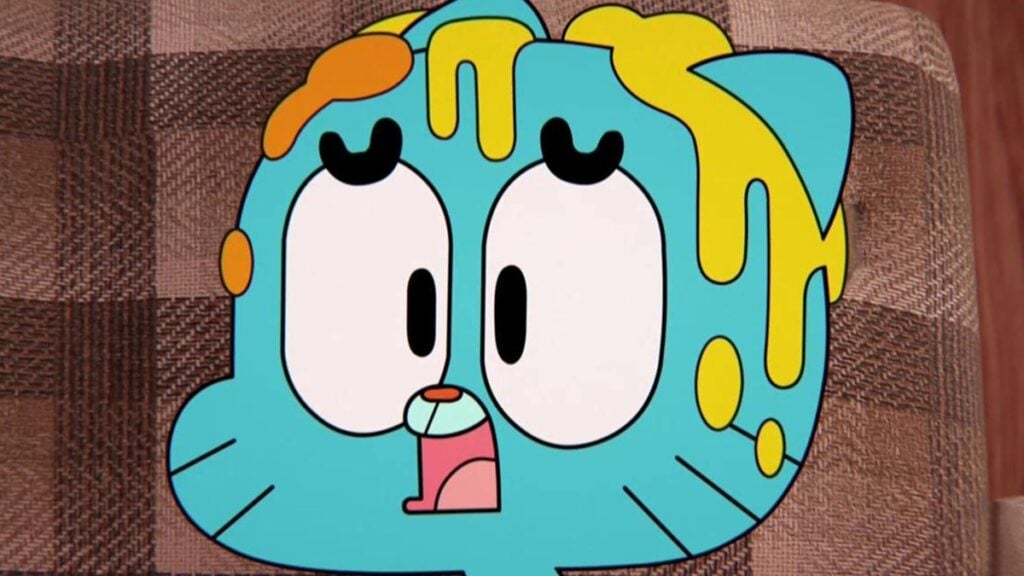
Tina the T. rex is actively bullying Gumball. She turned him upside down for the rest of his lunch money, tore his homework up, and pushed his face into his lunch. Gumball’s sister, Ana, suggests he seek help from an adult to get Tina off his back. They go to Mr. Small for help with the bullying issue, but they aren’t assisted because the staff is also terrified of Tina. The peers encourage Tina and Gumball to fight, but instead, they make friends, commiserating over their scary parents. Tina admits she was trying to have fun with Gumball, not bully him.
How “The Fight” Teaches Children About Bullying: Certain roughhousing actions may seem fun to the person doing it, but the recipient may perceive them as hurtful. Damaging someone’s property and taking their things is bullying that could also turn borderline criminal if a child takes these habits with them into adulthood. Be grateful for what you have and do not take from or destroy somebody else’s belongings.
“Bully For You” From Casper’s Scare School (Season 1, Episode 3a)
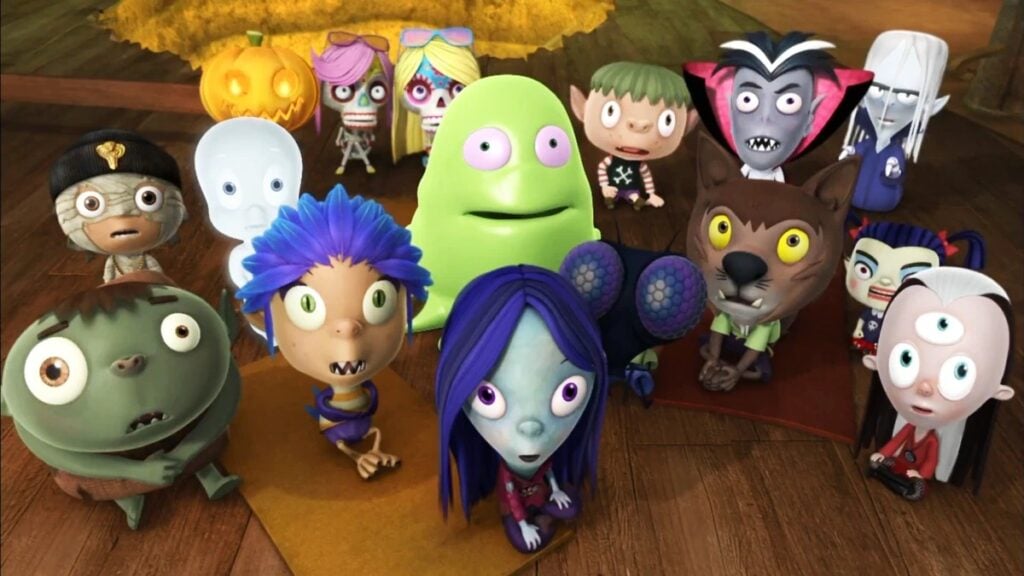
Thatch is going around the school bullying and pranking Casper and the other students. Casper forms the Niceketeers with Ra and Mantha with Wolfie’s help to teach Thatch a lesson about bullying. They help out Quasi when Thatch is up to his antics again. Word gets out about the Niceketeers to the point that the whole student body learns of it. Casper’s demanding behavior, which makes everyone be nice, makes the student lose respect for him and realize he’s becoming a bully like Thatch. Casper and Thatch join forces and start a food fight to get Scare School back to its original glory. This is a great option about cartoons on bullying if you have young kids at home because it addresses the topic in a way younger viewers can understand.
How “Bully For You” Teaches Children About Bullying: It is noble to want to take steps to stop a bully in their tracks. However, becoming mean in the process to force an intended outcome is never the answer. Meet a bully with compassion and kindness. Others around you will follow suit, but constant demands for a specific outcome could make you lose friends along the way.
“Junior Asparagus In Bully Trouble” From VeggieTales (Season 1, Episode 21)
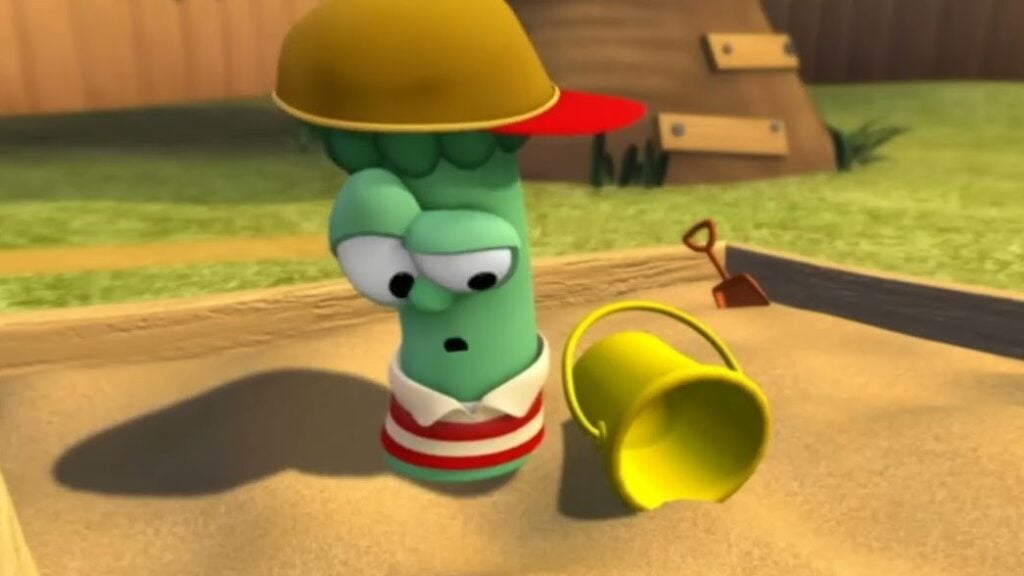
This mini-bullying cartoon is in the VeggieTales episode “Minnesota Cuke and the Search for Samson’s Hairbrush”. Junior is pretending to be Robin Hood while playing with his friends. Gourdon, the gourd, shows up and intimidates Junior, asking him why he and his friends are on his playground. Gourdon sits on Junior to prove a mean point and threatens the same treatment to his friends if he finds them back there again. Annie and all of Junior’s friends stand up to Gourdon on another day, and he leaves the playground, seeing he is outnumbered.
How “Junior Asparagus In Bully Trouble” Teaches Children About Bullying: Public places are for everyone to share. They don’t belong to just one person. Co-habitating in public builds respect, understanding, and tolerance. Standing up to a bully in numbers can help them back down from their originally proclaimed threats.
“Go To School” From The Berenstain Bears (Season 1, Episode 3)
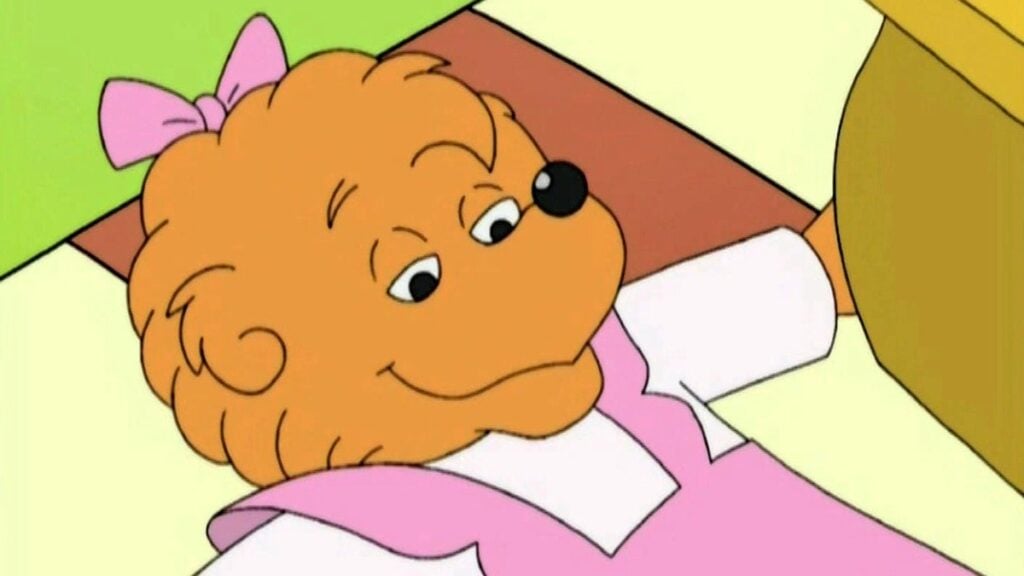
Brother and Sister are shopping for school supplies. They run into a few older boys who are usually the antagonist bullies. They try to scare Sister by saying third grade was the worst, with the hard mathematics and difficult spelling lessons. Sister says she doesn’t want to attend school. Brother tries to show Sister his old spelling and mathematics worksheets to ease her into it. Momma shows Sister a picture of when she was worried about entering kindergarten, giving her a lesson to dive into new experiences despite her worries.
How “Go To School” Teaches Children About Bullying: Some bullies attempt manipulation to scare their victims. Telling lies to cause fear is a bully tactic that delves victims into a mental spiral. Listening to their falsehoods can cause undue stress, leading you to overthink and lose confidence. Try something new, even if others paint a scary picture to try to make you feel bad.
Cartoons on bullying can help explain an important topic in ways that are very relatable for the kids in our lives. Even if you’re not a big cartoon fan, figure out which shows your children enjoy from this list, and sit down for a viewing with them. This is a great way to have an open and honest conversation with a bit of a “helping hand” from characters your children can relate to.

