

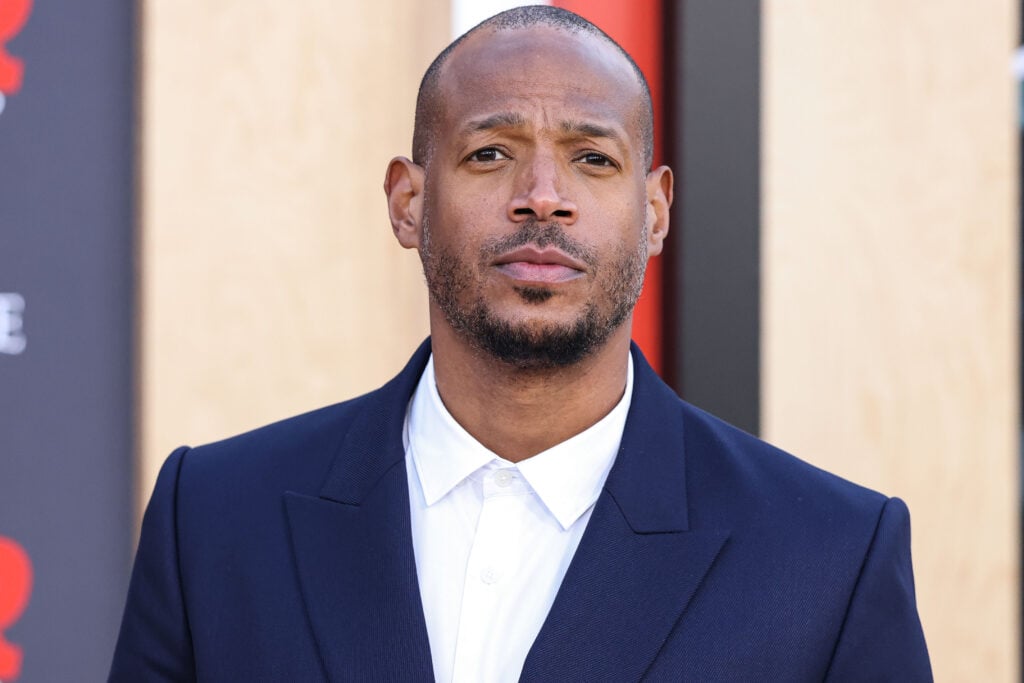
Marlon Wayans says he is uniquely positioned to stand in the middle of one of comedy’s most contentious debates, defending his close friendship with Dave Chappelle while simultaneously embracing his transgender child, and he told Variety this week that he sees no contradiction in doing both.
The remarks, published Monday, arrive at a moment when Chappelle’s comedy continues to generate controversy. The comedian faced significant backlash after his 2021 Netflix special “The Closer” drew protests from transgender activists and prompted a walkout by a small group of Netflix employees.
He revisited the subject in his 2023 special “The Dreamer,” keeping the debate alive. Against that backdrop, Wayans’ willingness to publicly defend Chappelle carries particular weight given his own family situation.
“I’m Between Them”
Wayans was direct when Variety pressed him on how he reconciles his loyalty to Chappelle with his role as the parent of a transgender child. Rather than sidestep the tension, he leaned into it.
“As a comedian, I respect his journey. And as a friend, I respect his journey. And for my child, I respect their journey,” Wayans told Variety. “And as the father of my child, I can appropriate my feelings toward my friend and my feelings toward my child, and how we can put those two things together, and I can explain both sides. I’m between them, so I can explain both sides to each other.”
That framing, positioning himself as a bridge rather than a judge, is central to how Wayans approaches the subject. He was equally clear that he does not intend to tell Chappelle which topics are off-limits.
His defense rests on a reading of Chappelle’s character and intent, not on an endorsement of every punchline.
What Wayans Says About Chappelle’s Intent
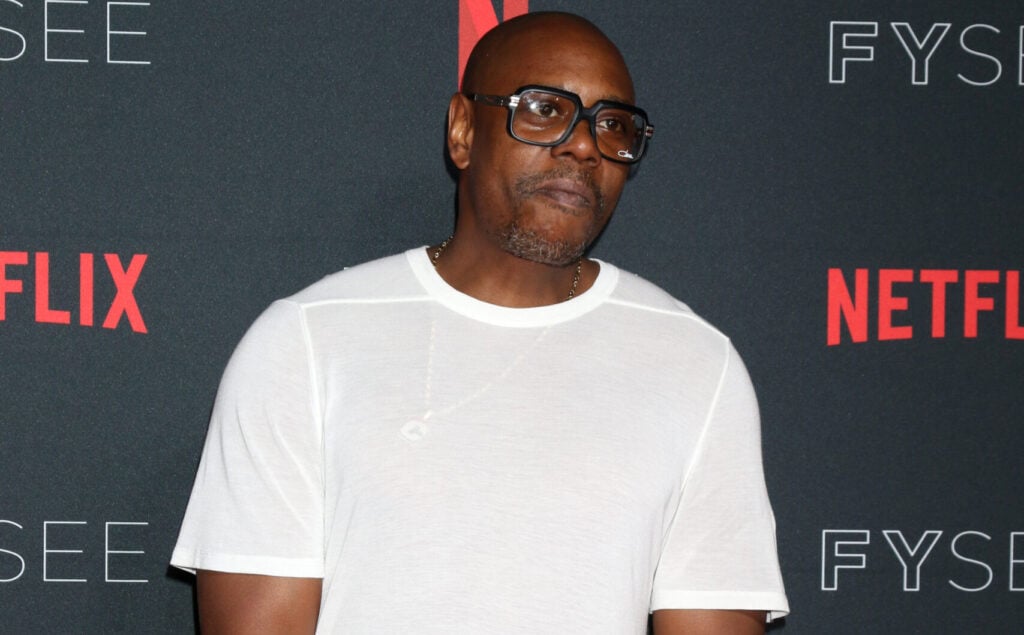
The core of Wayans’ argument is that Chappelle’s comedy stems from artistic freedom rather than malice. “I wouldn’t hang with Dave if he were full of hate. I don’t hang with people like that,” Wayans told Variety. “I know Dave’s heart, and his intention isn’t to punch down.”
Wayans has been a consistent critic of cancel culture more broadly, and his defense of Chappelle fits a pattern of publicly encouraging comedians to take risks even when those risks invite backlash.
He views Chappelle’s ongoing conflict with his critics as a principled stand on behalf of the art form, describing it as a comedian defending creative territory rather than waging a personal attack on any community.
A Friendship He Wanted On Screen
The depth of the Wayans-Chappelle bond became clear when Wayans revealed he had tried to bring his friend into the upcoming “Scary Movie 6.”
According to Wayans’ account of the pitch, he wrote two separate scenes with Chappelle in mind and presented both, but Chappelle passed. “I love Dave, and he’s like a brother, and I hope one day I’ll get that cameo,” Wayans told Variety.
The anecdote underscores that this is not a casual acquaintance Wayans is defending for publicity purposes. The two men have a long-standing relationship, and Wayans’ willingness to publicly go to bat for Chappelle, knowing full well how the defense would be received given his family circumstances, reflects genuine personal investment.
Why This Conversation Matters For Parents
For families navigating similar tensions, Wayans’ public stance offers a complicated but real-world example of how a parent can hold space for a transgender child while also maintaining relationships that the child might find hurtful.
Wayans does not present his approach as a template, but his framing of himself as an interpreter between two worlds is worth examining.
Parents of transgender children frequently face pressure to cut ties with people or communities that express views their child finds harmful.
Wayans is modeling a different approach, one built on dialogue and his role as a go-between, though it will not work for every family or relationship. The broader public reaction to his comments reflects just how charged this territory remains.
What makes Wayans’ interview stand out is not the defense of Chappelle itself, which is familiar territory for Wayans, but the candor with which he connects that defense to his own parenting. Most public figures in his position would either avoid the subject entirely or choose a side.
Wayans is doing something harder: insisting that love for his child and loyalty to his friend are not mutually exclusive, and that he is the person best equipped to explain each to the other.
Whether you agree with his conclusions or not, that kind of public honesty about a genuinely difficult family dynamic is rare, and it opens a conversation that many parents are quietly having at home.

