
As parents, helping our children is part of the job. From the time they’re babies to toddlers, we’re helping them with everything: getting dressed, eating, taking care of their bodies.
But as children mature and become capable of doing more on their own, research finds that helping too much can have some unintended (and surprisingly negative) consequences.
When Helping Becomes A Hindrance To Growth

The research shows that “over-helping” really starts to matter once children reach the elementary years, when they’re capable of doing more for themselves.
In one study, children working on a paper-folding task were helped by an adult without requesting it. Afterward, those children later reported feeling less smart after the task was complete.
Other research shows that when children are helped too much, it might undermine their motivation. In a study where children worked on puzzles, some received unrequested help, and in some cases the adult basically took over the task.
In both situations, the children were less likely to keep working on the puzzle afterward. When adults solved the problem for them, the children lost motivation to solve it themselves.
A similar pattern shows up when children are given the chance to explore new toys or gadgets. Children who get to explore a new toy on their own tend to find more ways to play with it. Kids who are given explicit instructions tend to stop there, and they rarely look for other ways to use it or new ways to play with the gadget.
How To Support Children Without Helping Too Much
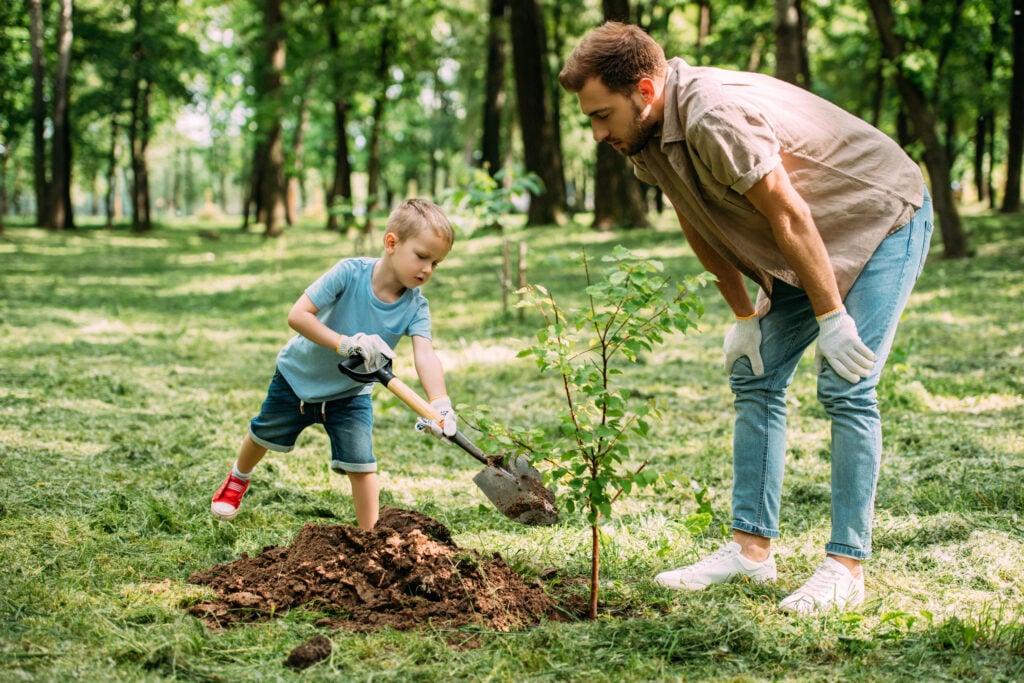
Together, this research suggests that it’s this more intrusive kind of helping that makes children feel less competent or less smart. This usually involves stepping in when a child could likely figure it out, or already knows how to do the task.
That matters because humans have an innate need to feel competent and useful, and over-helping undermines this need.
So how do we help children without undermining their sense of competence and intelligence?
- Encourage an “always learning” mindset. Help children understand that nobody knows everything, and that staying open to learning is the goal. This reframes asking for help as part of the learning process, not a sign of weakness.
- Focus on learning, not performance. When working with your child on a new skill, emphasize growth over outcomes. Instead of emphasizing a grade or a specific level of mastery, keep the focus on continual improvement.
- Encourage a growth mindset. A growth mindset is built on the idea that abilities aren’t fixed. This helps children see that needing help isn’t a sign of weakness or low intelligence, but rather it’s simply part of growing and learning.
- Grow alongside your children. As parents, it’s easy to get caught up in the habits that we’ve always done, which often include helping our children with many tasks. But as parents we need to be growing along with our children. As they mature and are able to take on more tasks on their own, we correspondingly start to gradually pass responsibility to them.
It’s a slow process that unfolds over years, but small opportunities for independence add up. They also show us just how much our kids can really do.
You might be surprised what your child can accomplish when you give them the chance to try.