
Colourblocks - Pick a Partner (S1E17)
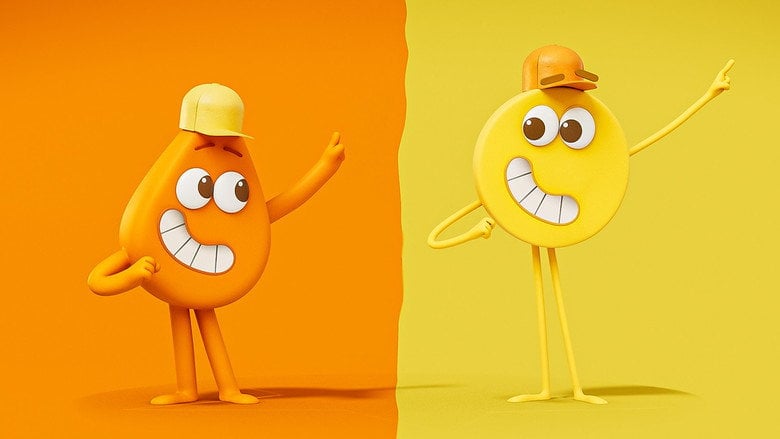
The Colourblocks enjoy a dance, but which colours make the best partners? Learn about similar and complementary colours with the Colourblocks.
| Runtime (min) | 5 |
|---|---|
| Air Date | 2023-01-23 |
| Genres | Kids, Animation |
| TV Rating | TV-Y |
| Network(s) | CBeebies |
Storyline
In this episode, the Colourblocks discover the joy of dancing together and begin exploring which colours make the best partners on the dance floor. As the blocks pair up, they learn that some colours look wonderful together because they are similar, sharing common qualities that create harmony when placed side by side. Other colours make exciting partners because they are complementary, sitting opposite each other on the colour wheel and creating vibrant, eye-catching combinations when they dance together.
Through movement and music, the Colourblocks experiment with different pairings, demonstrating how similar colours like blues and greens or reds and oranges create smooth, cohesive partnerships. They also showcase how complementary pairs like red and green, blue and orange, or yellow and purple produce dynamic, energetic effects. The episode uses the dance metaphor to make colour theory concepts accessible and memorable for young viewers, showing that understanding colour relationships can be as fun and natural as choosing a dance partner.
What kids learn
Children learn foundational colour theory concepts through this episode's engaging dance framework. They discover that colours can be grouped as similar or complementary, and that each type of pairing creates different visual effects. Similar colours, which sit near each other on the colour wheel, work together smoothly and create calm, harmonious combinations. Complementary colours, positioned opposite each other on the wheel, generate contrast and excitement when placed together.
The episode helps young viewers develop their understanding of colour relationships in a way that extends beyond simple colour identification. By framing the lesson as a dance partnership, children grasp that colours interact with each other and that these interactions follow predictable patterns. This knowledge builds visual literacy and gives children a vocabulary for discussing why certain colour combinations appeal to them.
The dance metaphor also reinforces social-emotional concepts about partnership and compatibility. Children see that different types of partnerships can all be successful, whether they are based on similarity or contrast, mirroring the idea that friendships and collaborations can take many forms and still be valuable.
Parents' top 5 questions
| Question | Answer |
|---|---|
| What is the difference between similar and complementary colours as shown in this episode? | Similar colours are those that sit close to each other on the colour wheel, like blues and greens or reds and oranges, creating harmonious and calm combinations. Complementary colours are opposites on the colour wheel, such as red and green, blue and orange, or yellow and purple, producing vibrant, high-contrast pairings. The episode demonstrates both types through dance partnerships, making the distinction visual and memorable for young children. |
| Is my preschooler too young to understand colour theory concepts? | The episode presents colour theory in an age-appropriate, experiential way that preschoolers can grasp intuitively. Rather than requiring children to memorize rules, the dance format lets them see and feel how different colour combinations work together. Young children naturally notice which pairings look calm versus exciting, building foundational visual literacy that will deepen as they grow. The playful approach makes abstract concepts concrete and accessible. |
| How can I reinforce the colour partnership concepts after watching? | Encourage your child to find similar and complementary colour pairs in everyday surroundings, such as clothing, toys, or nature. You might set out crayons or blocks and ask which colours would make good dance partners, or create simple art projects where they experiment with pairing colours. Asking open-ended questions like "Do these colours feel calm or exciting together?" helps children articulate what they observe and builds their confidence in discussing colour relationships. |
| Does this episode include any music or dancing that might overstimulate my child? | The episode features gentle, age-appropriate music and simple dance movements that serve the educational content. The pacing is designed for preschoolers, with clear pauses between concepts and a calm overall tone. The dancing is used as a teaching metaphor rather than high-energy entertainment, keeping the focus on colour relationships. Most children find the musical elements engaging without being overwhelming, though every child's sensory preferences differ. |
| Will my child remember which colours are complementary after one viewing? | While some children may recall specific complementary pairs like red and green after watching, the episode's primary goal is helping children understand that colour relationships exist and follow patterns. Repeated viewing and real-world practice will solidify specific pairings over time. The dance metaphor provides a memorable framework that children can return to, making it easier for them to reconstruct the concept even if they don't memorize every detail immediately. |
Writing
Directing
| Season # | Episode # | Episode Name |
|---|---|---|
| 1 | 1 | An excitable Red arrives in Colourland. Learn about the colour red with the Colourblocks. |
| 1 | 2 | Cool Blue arrives in Colourland. Learn about the colour blue with the Colourblocks. |
| 1 | 3 | Yellow is happy to bring his colour to Colourland. Learn about the colour yellow with the Colourblocks. |
| 1 | 4 | Red is surprised to discover that she's not the only colour in the world when she meets Blue. Join the Colourblocks to learn which objects can be red and which can be blue, and how some can be both red and blue. |
| 1 | 5 | Red and Blue meet Yellow and have fun colouring the seaside. Discover the colours around you with the Colourblocks. |
| 1 | 6 | Green arrives, bringing her natural colour to Colourland. Learn about the colour green. |
| 1 | 7 | Blue and Yellow meet a new friend - Green. Discover what happens when you mix blue and yellow with the Colourblocks |
| 1 | 8 | The Colourblocks meet a new animal - but what colour is it? Learn about a creature that can change colour with the Colourblocks. |
| 1 | 9 | The Colourblocks discover that it can be fun to colour things wrong. Learn about choosing colours. |
| 1 | 10 | Energetic Orange arrives in Colourland. Learn about the colour orange. |
| 1 | 11 | Red and Yellow meet new arrival Orange. Discover what happens when you mix red and yellow with the Colourblocks. |
| 1 | 12 | Imaginative Purple arrives in Colourland. Learn about the colour purple with the Colourblocks. |
| 1 | 13 | Red and Blue compete to colour a castle and meet new arrival Purple. Discover what happens when you mix red and blue with the Colourblocks. |
| 1 | 14 | The Colourblocks decorate Purple's garden and learn about patterns. Discover how to make your own patterns with the Colourblocks. |
| 1 | 15 | The Colourblocks attempt to solve a rainbow puzzle with the help of new friends Indigo and Violet. Learn about the seven colours of the rainbow with the Colourblocks. |
| 1 | 16 | Purple stages a version of Little Red Riding Hood, but can the other Colourblocks stick to the story? Learn about colour mixing with the Colourblocks. |
| 1 | 17 | The Colourblocks enjoy a dance, but which colours make the best partners? Learn about similar and complementary colours with the Colourblocks. |
| 1 | 18 | Black and White arrive in Colourland. Learn about two colours that are very different from the other Colourblocks. |
| 1 | 19 | Green is surprised when Black and White arrive in her forest. Learn about light and dark colours with the Colourblocks. |
| 1 | 20 | Green stages a magic show to introduce her new friends Black and White. Learn the difference between light, bright and dark colours with the Colourblocks. |
| 1 | 21 | Fun Pink arrives in Colourland. Learn about the colour pink with the Colourblocks! |
| 1 | 22 | Colour explorer Brown arrives in Colourland. Learn about the colour brown with the Colourblocks. |
| 1 | 23 | Brown takes the Colourblocks exploring in the forest. Learn different ways to mix brown with the Colourblocks. |
| 1 | 24 | Meet the Printing Crew - Yellow, Cyan, and Magenta. Learn how together they can mix lots of colours in the Printing Zone. |
| 1 | 25 | Black and White colour a city with new the help of new friend Grey. Learn to mix different shades of grey with the Colourblocks. |
| 1 | 26 | Black joins the Printing Crew. Learn how yellow, cyan, magenta and black work together in printing with the Colourblocks. |
| 1 | 27 | Red and Yellow sort different coloured objects onboard the Sorting Express. Learn to spot the difference between colours and shades with the Colourblocks. |
| 1 | 28 | Red and Blue choose colours for their playhouses. Learn about making colour choices with the Colourblocks. |
| 1 | 29 | The Colourblocks discover a series of colour wheels. But where should they sit on them? Learn which colours go next to each other with the Colourblocks. |
| 1 | 30 | All the Colourblocks come together for a big song. Learn different colours and colour mixes with the Colourblocks. |
| Season # | Episode # | Episode Name |
|---|---|---|
| 2 | 1 | Welcome to Purple’s mixing factory, where he mixes two colours to create a new colour. In this musical episode, the Colourblocks learn that mixing red and yellow makes orange, whilst adding black and white helps to make darker and lighter colours. When the Printing Crew arrive, we learn how they work together to mix their colours and create new ones. |
| 2 | 2 | It's lunchtime in Colourland! Red invites her friends for lunch, where they try each other’s favourite foods. |
| 2 | 3 | Purple is the host of a fun game show called Name That Colour, with Pink and Brown playing along as contestants. |
| 2 | 4 | Sing along with Orange as she helps Indigo and Violet to colour a rainbow. |
| 2 | 5 | The Printing Crew come to the rescue and print signs for their friends Red, Blue and Green. |
| 2 | 6 | Blue meets Deep Blue and Sky Blue and learns all about their favourite things. They embark on an adventure in a submarine to the depths of the deep blue sea and take a trip up in a plane to discover all about sky blue items |
| 2 | 7 | Red and Yellow try to make a bright orange colour like their good friend Orange. |
| 2 | 8 | Purple wants to decorate his mural with different purples and invites Red and Blue to help him. |
| 2 | 9 | Meet Lime! She’s in between Yellow and Green, fresh and full of zing! In this musical episode, Lime sings her heart out with her beloved electric guitar, loving the limelight. |
| 2 | 10 | It’s the return of the Sorting Express, and Lime’s friends use it to help sort colours for her concert. |
| 2 | 11 | Red, Yellow and Blue colour in various doors leading to unexpected places. |
| 2 | 12 | Red is sad about being inside on a grey day but soon learns that being inside can be just as fun. |
| 2 | 13 | Red is on a colour tour with her friends, showing them the sights of where she did her very first colouring. |
| 2 | 14 | The Colourblocks travel through Colourland on an airship, picking up new and old friends along the way. In this inspiring musical episode, they reminisce about all of the amazing things they've learnt on their colour journey. |
This product uses the TMDB API but is not endorsed or certified by TMDB.