
Dad Stop Embarrassing Me! - #BlackPeopleDontGoToTherapy (S1E1)
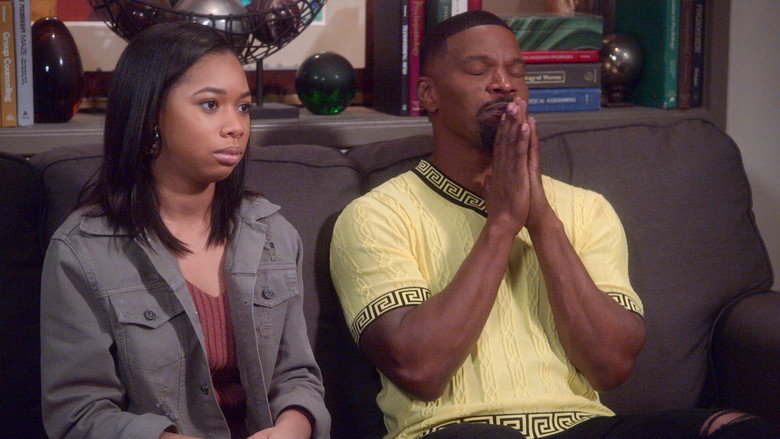
After Sasha moves in with Brian, a mortifying misunderstanding with a therapist forces them to confront their issues with each other.
| Runtime (min) | 25 |
|---|---|
| TMDB Rating | 6.0 (1 votes) |
| Air Date | 2021-04-14 |
| Genres | Comedy |
| TV Rating | TV-PG |
| Network(s) | Netflix |
Storyline
In the series premiere of "Dad Stop Embarrassing Me!", teenage daughter Sasha moves in with her father Brian, a successful cosmetics entrepreneur who has been largely absent from her day-to-day life. The transition proves rocky as both father and daughter navigate their new living arrangement and attempt to build a closer relationship after years apart. Brian's well-meaning but often misguided parenting style clashes with Sasha's independence and modern teenage sensibilities.
The episode's central conflict arises when a misunderstanding leads Brian and Sasha to an awkward encounter with a therapist. This uncomfortable situation forces both characters to address the communication gaps and unresolved feelings that have built up between them. Through the therapy mix-up, Brian begins to recognize that reconnecting with his daughter will require more than just good intentions—it will demand honest conversations about their past and present relationship dynamics.
What parents say
Parents have noted that the show tackles the realistic challenge of a single father learning to parent a teenage daughter after years of limited involvement. Many appreciate that the series doesn't shy away from showing Brian's mistakes and awkwardness, making him a relatable figure for parents who feel out of their depth. The therapy storyline in particular has been praised for normalizing mental health conversations within Black families, with the episode's title directly addressing cultural stigma around seeking professional help.
Some parents have mentioned that the show's humor can be broad and occasionally relies on embarrassing situations that might make both parents and teens cringe while watching together. Parents of younger children have pointed out that the series is better suited for older tweens and teens who can appreciate the father-daughter dynamic and understand the more mature themes about family reconciliation and communication.
What kids learn
This episode introduces young viewers to the idea that family relationships require ongoing effort and honest communication, especially when people are trying to reconnect after time apart. Sasha's experience moving in with her father demonstrates that adjusting to new living situations takes patience from everyone involved, and that it's normal to feel uncertain or frustrated during big transitions. The episode shows that even adults don't always have the answers and sometimes struggle to find the right words or actions.
The therapy storyline, despite its comedic framing, opens a door for conversations about mental health and the value of talking through problems with professionals. By addressing the cultural hesitation around therapy directly in its title, the episode acknowledges that seeking help is sometimes seen differently in different communities, but that working through emotions and conflicts is important regardless. Young viewers see that vulnerability and admitting when you need support are signs of strength, not weakness.
Kids also learn that parents make mistakes and that perfection isn't the goal in family relationships—growth and willingness to try are what matter most. The episode models how misunderstandings can actually become opportunities for deeper connection when people are willing to be honest with each other.
Parents' top 5 questions
| Question | Answer |
|---|---|
| Is this episode appropriate for younger children, or is it better suited for teens? | This episode is best suited for older tweens and teens, roughly ages 11 and up. The humor centers on teenage independence, father-daughter relationship tension, and an awkward therapy situation that younger children may not fully understand or appreciate. The themes of reconnecting after parental absence and navigating new family dynamics resonate more strongly with older kids who can grasp the emotional complexity of the situation. |
| How does the episode handle the topic of therapy and mental health? | The episode uses a comedic misunderstanding involving a therapist as its central plot device, but ultimately presents therapy in a positive light. The title directly acknowledges cultural stigma around mental health treatment in the Black community, and while the situation is played for laughs, the underlying message supports the idea that talking through family issues and seeking professional help are valuable. It opens the door for families to discuss mental health without being preachy. |
| Does the show address Brian's absence from Sasha's life in a meaningful way? | Yes, the episode establishes that Brian has not been a consistent presence in Sasha's daily life, and this history creates tension between them. The premiere doesn't resolve their complicated past but acknowledges it honestly, showing that rebuilding their relationship will take time and effort. Brian's struggle to connect with his daughter feels authentic, and the episode doesn't excuse his previous absence but focuses on his genuine desire to do better moving forward. |
| What kind of humor should we expect—is it family-friendly or more mature? | The humor leans toward broad, situational comedy with an emphasis on embarrassing moments and generational clashes between Brian and Sasha. Brian's over-the-top reactions and attempts to be a cool dad provide much of the comedy. While the show avoids explicit content, the awkwardness factor is high, and some jokes reference teenage life and dating in ways that might sail over younger children's heads but land with teens and parents. |
| Will this episode spark good conversations with my teen about our own relationship? | This episode has strong potential as a conversation starter about parent-teen communication, especially if your family has experienced transitions or time apart. The therapy mix-up and the characters' struggle to be honest with each other mirror real-life challenges many families face. Watching Brian fumble through reconnecting with Sasha can help teens see their own parents' efforts more sympathetically, while parents might recognize their own well-meaning missteps in Brian's character. |
Writing
Directing
| Season # | Episode # | Episode Name |
|---|---|---|
| 1 | 1 | After Sasha moves in with Brian, a mortifying misunderstanding with a therapist forces them to confront their issues with each other. |
| 1 | 2 | When Sasha reveals she doesn't believe in God, the family takes her to a church service led by an extravagant reverend. Later, she confides in Stacy. |
| 1 | 3 | Waiting in line to cop exclusive kicks, Sasha struggles to keep it low-key when Brian shows up with a tent, grill and karaoke machine. |
| 1 | 4 | Brian tracks Sasha on his phone and catches her in a lie. When he sees Brodie with other girls, he takes matters into his own hands. |
| 1 | 5 | Sasha's social media video goes viral when a new BAY Cosmetics product causes an adverse reaction — and Brian becomes an Internet sensation himself. |
| 1 | 6 | At the family’s annual Juneteenth cookout, Pops faces off against his siblings for a BBQ showdown. Sasha sneaks off to a block party with Brian's truck. |
| 1 | 7 | Inspired by Floyd Mayweather's book, Brian switches up his parenting style. But when Sasha acts strangely, Brian looks to a drug test for answers. |
| 1 | 8 | Brian receives an unexpected business offer. Pops tries online dating. After being racially profiled, Sasha and her friends are harassed by police. |
This product uses the TMDB API but is not endorsed or certified by TMDB.