
Inside Pixar - Foundations: Animation and Acting (S1E14)
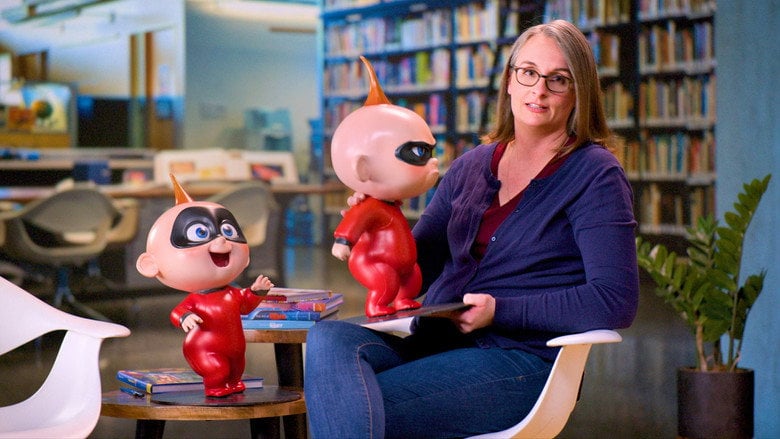
Animation brings characters to life by making them move, feel, think, and talk. Pixar animators take us through the artistry of how they breathe life into characters authentically and explain the importance of acting (and eyebrows) in their craft.
| Runtime (min) | 14 |
|---|---|
| Air Date | 2021-03-26 |
| Genres | Documentary |
| TV Rating | TV-G |
| Network(s) | Disney+ |
Storyline
This episode of Inside Pixar takes viewers behind the scenes to explore the craft of animation and its deep connection to acting. Pixar animators explain how they bring characters to life by making them move, feel, think, and talk in ways that feel authentic and emotionally resonant. The episode focuses on the technical and artistic processes that transform digital models into believable personalities, emphasizing that animation is not just about movement but about performance.
Throughout the fourteen-minute runtime, animators discuss the importance of studying real human behavior and emotion to inform their work. They highlight specific techniques, including the critical role that eyebrows and facial expressions play in conveying a character's inner life. The episode illustrates how animators must think like actors, understanding motivation, subtext, and emotional truth to create performances that audiences connect with on a meaningful level.
What kids learn
Children watching this episode gain insight into the creative and technical skills required to become an animator at a studio like Pixar. They learn that animation is not simply drawing or moving characters around a screen, but involves deep observation of how people express emotions through body language, facial expressions, and subtle gestures. The episode demonstrates that successful animators must be keen observers of human behavior and must understand the psychology behind why people move and react the way they do.
Young viewers also discover the importance of acting skills in animation. The episode shows that animators must think like performers, considering what a character is thinking and feeling in every moment, not just what they are doing. This teaches children that creativity often requires combining multiple disciplines and that technical skill must be paired with emotional intelligence and empathy.
Additionally, the episode encourages children to appreciate the artistry and effort behind their favorite animated films. Understanding the deliberate choices animators make to convey emotion and personality can deepen a child's appreciation for storytelling and inspire them to observe the world more carefully in their own creative pursuits.
Parents' top 5 questions
| Question | Answer |
|---|---|
| Is this episode appropriate for young children who love Pixar movies? | Yes, this episode is appropriate for all ages and offers a family-friendly look at how Pixar animators work. There is no inappropriate content, and the focus is entirely on the creative process. Young children who enjoy Pixar films may find it fascinating to see how their favorite characters are brought to life, though some of the technical discussion may be more engaging for older elementary-aged children and tweens. |
| Will my child find this episode entertaining, or is it too educational and dry? | The episode balances education with visual interest by showing actual animation work and featuring passionate Pixar artists discussing their craft. Children who are curious about how movies are made or who have an interest in art and storytelling will likely stay engaged. However, children looking for a traditional narrative or action-packed content may find the documentary format less compelling than a standard animated show. |
| What age group will get the most out of this episode? | Children aged eight and older, particularly those with an interest in art, filmmaking, or animation, will likely gain the most from this episode. The concepts discussed—such as acting, emotional expression, and the technical aspects of animation—are sophisticated enough to inspire older children and teens considering creative careers, while still being accessible to younger viewers who are simply curious about the process. |
| Does this episode teach any practical skills my child can apply? | The episode teaches observational skills and the importance of studying real-life behavior to inform creative work. Children learn that animators must pay close attention to how people express emotions through facial expressions and body language. These lessons can inspire young artists to observe the world more carefully and apply those observations to their own drawing, storytelling, or performance activities, fostering a more thoughtful creative practice. |
| Is this part of a series, or can it be watched as a standalone episode? | This is part of the <em>Inside Pixar</em> documentary series, but each episode stands alone and explores a different aspect of working at Pixar. Your child does not need to watch previous episodes to understand or enjoy this one. If your child is interested in animation specifically, this episode works perfectly as a standalone introduction to the craft and can spark interest in exploring other episodes about different filmmaking roles. |
Writing
Directing
| Season # | Episode # | Episode Name |
|---|---|---|
| 1 | 1 | Authenticity is essential to creating a film that is believable and relatable. Co-Director Kemp Powers discusses the real-life experiences that led him to propose a simple, yet pivotal scene in Soul. |
| 1 | 2 | Inspiration isn't instant. Coming up with unique and creative characters takes time and effort. Character Designer Deanna Marsigliese takes us through the process of character creation and the artistic detours that often come with it. |
| 1 | 3 | Growing up in a small town in Canada, Steven Hunter never felt like he saw himself represented in cartoons and comic books. After getting the opportunity to direct a Pixar SparkShort, Steven was inspired by his own life to create 'Out,' a unique and vulnerable story he wished he saw in his youth. |
| 1 | 4 | Script Supervisor Jessica Heidt manages endless lines of dialogue. Through her script access, she detected a disparity in male to female roles, motivating her to create a program to improve gender balance throughout Pixar's films and the greater film industry. |
| 1 | 5 | Inspiration can be hard to come by. Sometimes it takes years to find, while other times it's been right under your nose. Director Dan Scanlon takes us on a personal journey of inspiration that led to his film, Onward. |
| 1 | 6 | Director of International Production Cynthia Lusk takes us into the fascinating world of localization. From translations to graphics to even changes in animation, Cynthia and her team work to make sure that Pixar’s films can connect and resonate to fans and families throughout the world. |
| 1 | 7 | Marylou Jaso has the sweetest job at Pixar - literally. As Pixar's Pastry Chef, she spends each day creating the confections and sweet treats that delight, inspire, and help feed the studio's creativity. |
| 1 | 8 | As Production Assistant on Pixar's Soul, Rachelle Federico hard work might not always be that glamorous, but she considers it an important and essential need in the creation of an animated film. |
| 1 | 9 | As a Music Editor, Barney Jones uses these talents to help shape the storytelling and emotion of a Pixar film. |
| 1 | 10 | No two days are the same for Patty Bonfilio. Join her on a VIP tour of the grounds and all of its hidden gems. |
| 1 | 11 | How exactly are animated films made using computer graphics? Pixar’s creative minds introduce and break down how a movie is made through understandable explanations using metaphors and examples. |
| 1 | 12 | From cars to fish to toys to superheroes, Pixar characters have unique personalities, designs, and traits. Join Pixar’s character artists and designers as they break down the process of developing a new character. |
| 1 | 13 | Camerawork is just as crucial in animation as it is in live action. Pixar’s layout artists explain the craft behind camera and staging, showcasing how camera positioning enhances emotion within a story. |
| 1 | 14 | Animation brings characters to life by making them move, feel, think, and talk. Pixar animators take us through the artistry of how they breathe life into characters authentically and explain the importance of acting (and eyebrows) in their craft. |
| 1 | 15 | Light and color are essential in conveying the time of day, creating unique worlds, and even evoking emotion. Pixar lighting directors and artists reveal how they illuminate a scene and how they utilize light and color for everything from terrifying twists to signature Pixar tearjerkers. |
| 1 | 16 | How can the passage of time be utilized as a tool for emotional storytelling? |
| 1 | 17 | From Ernesto de La Cruz to Lotso to Hopper, foes of all shapes and sizes are essential to many of our favorite Pixar movies. But what makes a good villain? |
| 1 | 18 | Pixar characters strive to strike a balance between realistic and caricatured. |
| 1 | 19 | Beyond the world of Cars, vehicles of all kinds have made their mark throughout Pixar’s films. |
| 1 | 20 | Take a deep dive into the art of crowds animation. Each of your favorite Pixar characters live in worlds populated by fellow fish, cars, toys, and humans, but creating thousands of these fully animated background characters is no easy feat. |
This product uses the TMDB API but is not endorsed or certified by TMDB.