
Inside Pixar - Inspired: Deanna Marsigliese, The Art of the Pivot (S1E2)
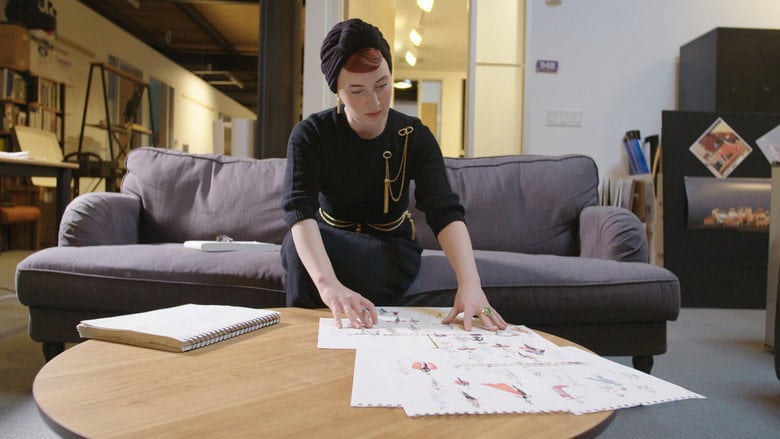
Inspiration isn't instant. Coming up with unique and creative characters takes time and effort. Character Designer Deanna Marsigliese takes us through the process of character creation and the artistic detours that often come with it.
| Runtime (min) | 14 |
|---|---|
| TMDB Rating | 5.0 (1 votes) |
| Air Date | 2020-11-13 |
| Genres | Documentary |
| TV Rating | TV-G |
| Network(s) | Disney+ |
Storyline
In this episode of Inside Pixar, character designer Deanna Marsigliese opens the door to her creative process, revealing how original animated characters come to life at Pixar Animation Studios. She walks viewers through the iterative journey of character design, emphasizing that inspiration rarely arrives fully formed. Instead, it emerges through sketching, experimentation, and countless revisions.
Marsigliese demonstrates the importance of what she calls "the pivot"—those moments when an initial concept doesn't work and a designer must change direction entirely. She shares examples from her own portfolio, showing early drafts alongside final designs to illustrate how characters evolve. The episode highlights the patience, flexibility, and willingness to start over that professional artists must cultivate, offering a behind-the-scenes look at the dedication required to create the memorable faces audiences see on screen.
What kids learn
Children watching this episode learn that creativity is a process, not a single moment of brilliance. Deanna Marsigliese's candid discussion of artistic detours teaches young viewers that starting over or changing direction is not failure—it's a normal and necessary part of making something great. Kids see that even professionals at a world-renowned studio like Pixar don't get things right on the first try, which can be deeply reassuring for children who feel frustrated when their own creative projects don't turn out as imagined.
The episode also introduces the concept of iteration and refinement. By watching Marsigliese compare early sketches to polished final designs, children gain insight into how persistence and willingness to revise lead to stronger results. This lesson extends beyond art class into any area where problem-solving and resilience matter—from writing stories to building with blocks to working through challenging homework.
Finally, kids learn that inspiration takes time and effort. The episode gently counters the myth of instant genius, helping children understand that the characters they love required hours of thoughtful work, experimentation, and patience to create.
Parents' top 5 questions
| Question | Answer |
|---|---|
| Is this episode appropriate for younger children who aren't interested in art careers? | Yes. While the episode focuses on character design, the core lessons about persistence, handling setbacks, and refining ideas apply to any creative or problem-solving activity. Younger children may not grasp every technical detail, but they will understand the message that good work takes time and that changing your approach is normal. The visual examples and Deanna's approachable narration keep the content accessible even for kids who aren't aspiring artists. |
| Will my child understand what a character designer does after watching? | The episode provides a clear, age-appropriate introduction to the role. Deanna Marsigliese explains her work in straightforward terms and shows concrete examples of sketches and revisions. Children come away understanding that character designers draw and redraw until a character feels right, and that this job involves both artistic skill and problem-solving. It's an excellent starting point for kids curious about animation careers or the people behind their favorite movies. |
| Does this episode encourage my child to keep trying when things don't work out? | Absolutely. The central theme is the value of pivoting—recognizing when an idea isn't working and having the courage to start fresh. Deanna shares her own experiences with designs that didn't succeed, normalizing the experience of creative struggle. For children who give up easily or feel discouraged by mistakes, this episode models resilience and reframes setbacks as a natural, even essential, part of the creative journey. |
| How long will my child stay engaged with a documentary-style episode? | At just fourteen minutes, the episode is designed to hold attention without overwhelming younger viewers. The pacing is brisk, with frequent visual changes as Deanna shows different sketches and design stages. Children interested in drawing, animation, or storytelling will likely stay engaged throughout. Even kids with shorter attention spans can absorb the key messages in this compact runtime, making it a manageable and rewarding watch. |
| Can this episode inspire my child to try drawing or creating their own characters? | Many children feel motivated to pick up a pencil after watching. Seeing Deanna's process demystifies character creation and makes it feel achievable. The episode doesn't require special tools or advanced skills to apply its lessons—just paper and imagination. Parents may find their kids sketching their own characters or experimenting with different versions of a drawing, directly mirroring the iterative approach Deanna demonstrates on screen. |
Writing
Directing
| Season # | Episode # | Episode Name |
|---|---|---|
| 1 | 1 | Authenticity is essential to creating a film that is believable and relatable. Co-Director Kemp Powers discusses the real-life experiences that led him to propose a simple, yet pivotal scene in Soul. |
| 1 | 2 | Inspiration isn't instant. Coming up with unique and creative characters takes time and effort. Character Designer Deanna Marsigliese takes us through the process of character creation and the artistic detours that often come with it. |
| 1 | 3 | Growing up in a small town in Canada, Steven Hunter never felt like he saw himself represented in cartoons and comic books. After getting the opportunity to direct a Pixar SparkShort, Steven was inspired by his own life to create 'Out,' a unique and vulnerable story he wished he saw in his youth. |
| 1 | 4 | Script Supervisor Jessica Heidt manages endless lines of dialogue. Through her script access, she detected a disparity in male to female roles, motivating her to create a program to improve gender balance throughout Pixar's films and the greater film industry. |
| 1 | 5 | Inspiration can be hard to come by. Sometimes it takes years to find, while other times it's been right under your nose. Director Dan Scanlon takes us on a personal journey of inspiration that led to his film, Onward. |
| 1 | 6 | Director of International Production Cynthia Lusk takes us into the fascinating world of localization. From translations to graphics to even changes in animation, Cynthia and her team work to make sure that Pixar’s films can connect and resonate to fans and families throughout the world. |
| 1 | 7 | Marylou Jaso has the sweetest job at Pixar - literally. As Pixar's Pastry Chef, she spends each day creating the confections and sweet treats that delight, inspire, and help feed the studio's creativity. |
| 1 | 8 | As Production Assistant on Pixar's Soul, Rachelle Federico hard work might not always be that glamorous, but she considers it an important and essential need in the creation of an animated film. |
| 1 | 9 | As a Music Editor, Barney Jones uses these talents to help shape the storytelling and emotion of a Pixar film. |
| 1 | 10 | No two days are the same for Patty Bonfilio. Join her on a VIP tour of the grounds and all of its hidden gems. |
| 1 | 11 | How exactly are animated films made using computer graphics? Pixar’s creative minds introduce and break down how a movie is made through understandable explanations using metaphors and examples. |
| 1 | 12 | From cars to fish to toys to superheroes, Pixar characters have unique personalities, designs, and traits. Join Pixar’s character artists and designers as they break down the process of developing a new character. |
| 1 | 13 | Camerawork is just as crucial in animation as it is in live action. Pixar’s layout artists explain the craft behind camera and staging, showcasing how camera positioning enhances emotion within a story. |
| 1 | 14 | Animation brings characters to life by making them move, feel, think, and talk. Pixar animators take us through the artistry of how they breathe life into characters authentically and explain the importance of acting (and eyebrows) in their craft. |
| 1 | 15 | Light and color are essential in conveying the time of day, creating unique worlds, and even evoking emotion. Pixar lighting directors and artists reveal how they illuminate a scene and how they utilize light and color for everything from terrifying twists to signature Pixar tearjerkers. |
| 1 | 16 | How can the passage of time be utilized as a tool for emotional storytelling? |
| 1 | 17 | From Ernesto de La Cruz to Lotso to Hopper, foes of all shapes and sizes are essential to many of our favorite Pixar movies. But what makes a good villain? |
| 1 | 18 | Pixar characters strive to strike a balance between realistic and caricatured. |
| 1 | 19 | Beyond the world of Cars, vehicles of all kinds have made their mark throughout Pixar’s films. |
| 1 | 20 | Take a deep dive into the art of crowds animation. Each of your favorite Pixar characters live in worlds populated by fellow fish, cars, toys, and humans, but creating thousands of these fully animated background characters is no easy feat. |
This product uses the TMDB API but is not endorsed or certified by TMDB.