
Secrets of the Zoo: Tampa - Bear Necessities (S1E2)
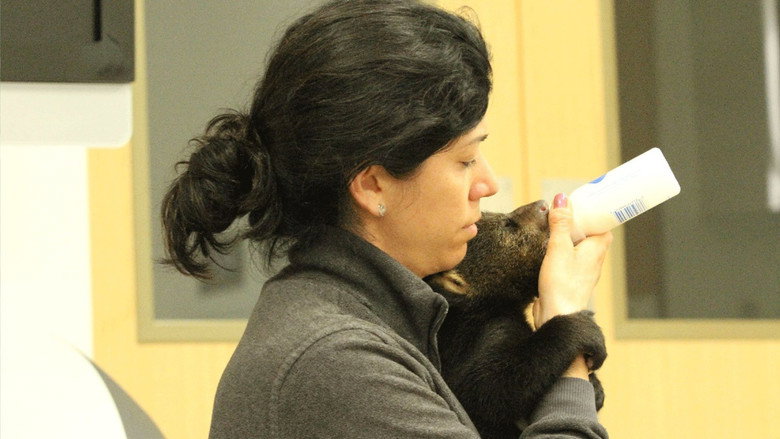
It's spring at ZooTampa, and the animals are emerging from hibernation.
| Runtime (min) | 45 |
|---|---|
| Air Date | 2020-01-12 |
| Genres | Documentary |
| Network(s) | Nat Geo Wild |
Storyline
Spring arrives at ZooTampa at Lowry Park, bringing with it the seasonal rhythms that shape life for both animals and staff. As temperatures warm, the zoo's care teams prepare for animals emerging from their winter rest periods and increased activity levels across habitats. The episode follows veterinarians and keepers as they conduct wellness checks, adjust diets, and monitor behavioral changes that accompany the seasonal transition.
The title "Bear Necessities" signals a focus on the zoo's bear residents, likely highlighting their care routines, habitat needs, and the specialized attention required as they become more active in spring. The episode showcases the daily dedication of zoo professionals who ensure each animal receives appropriate nutrition, enrichment, and medical attention. Through behind-the-scenes access, viewers observe the planning and teamwork involved in managing a modern zoological facility during a busy seasonal period.
What kids learn
Children watching this episode gain insight into seasonal patterns in the animal kingdom and how zoos adapt their care practices throughout the year. They learn that many animals experience natural cycles of activity and rest tied to temperature and daylight changes, and that zoo professionals must understand these rhythms to provide proper care. The episode demonstrates how observation skills and record-keeping help keepers notice subtle changes in animal behavior and health.
Young viewers also discover the variety of careers available in zoological settings, from veterinary medicine to animal husbandry. They see that caring for wildlife requires scientific knowledge, patience, physical work, and genuine compassion. The episode illustrates how teamwork and communication among staff members ensure that each animal's complex needs are met.
Additionally, children learn about the specific requirements of bears and other species featured, including their dietary needs, habitat preferences, and natural behaviors. The episode encourages respect for wildlife and appreciation for the expertise required to maintain healthy, thriving animal populations in human care.
Parents' top 5 questions
| Question | Answer |
|---|---|
| Is there any medical content that might upset younger children? | Zoo reality shows typically include veterinary procedures as part of routine animal care. While this episode likely features health checks and possibly minor medical treatments, the series generally presents such content in an educational context rather than graphic detail. Parents know their children's sensitivities best and might preview or watch alongside kids who are squeamish about medical situations. The focus remains on professional care and animal wellbeing throughout. |
| What age group is this episode most appropriate for? | The episode suits elementary-aged children and older who have interest in animals and science. Younger children with strong animal interests may also enjoy it, though some veterinary or care procedures might require parental context. The runtime of forty-five minutes works well for school-age attention spans. Families who enjoy nature documentaries and educational programming will find the content accessible and engaging across a range of ages. |
| Does this episode teach accurate information about bears and zoo care? | The series provides authentic behind-the-scenes access to an accredited zoological facility, showing real professionals performing actual care duties. Children see genuine animal behavior, legitimate veterinary practices, and accurate information about species needs and seasonal changes. The educational value lies in observing how modern zoos operate and the scientific knowledge that guides animal management. This offers a realistic counter-narrative to simplified or romanticized portrayals of animal care. |
| Are there any scary or sad moments involving animals? | Zoo reality programming occasionally addresses animal health concerns or challenges as part of honest storytelling about wildlife care. While the episode focuses on spring renewal and increased activity, any difficulties presented are shown within the context of professional intervention and care. The overall tone emphasizes the dedication of staff and positive outcomes. Parents can reassure children that the animals are receiving expert attention from people committed to their welfare. |
| Will my child want to visit a zoo after watching this episode? | The series often inspires interest in visiting zoos and learning more about wildlife conservation. The behind-the-scenes perspective may deepen children's appreciation for what they observe during zoo visits and spark questions about animal care and biology. Parents can use this enthusiasm as an opportunity to discuss conservation, habitat protection, and responsible wildlife stewardship. The episode may also prompt interest in animal-related careers or volunteer opportunities as children grow. |
Writing
Directing
| Season # | Episode # | Episode Name |
|---|---|---|
| 1 | 1 | The Zoo Tampa family is about to get bigger as Ceduna the Female Koala has a baby inside her pouch, while an ill tortoise gets breakfast in bed. |
| 1 | 2 | It's spring at ZooTampa, and the animals are emerging from hibernation. |
| 1 | 3 | Love is in the air at ZooTampa, but one-horned rhino Johnny misses his love connection. |
| 1 | 4 | Baby fever takes over ZooTampa as the penguin keepers go on egg watch. |
| 1 | 5 | Walter, a Florida panther, is getting a thorough exam after getting caught in a snare, while a bear cat mating pair settles into its new home. |
| 1 | 6 | ZooTampa's three chimpanzees prepare to retire, and rescued manatees are welcomed to the newly renovated ZooTampa Manatee hospital. |
| Season # | Episode # | Episode Name |
|---|---|---|
| 2 | 1 | Two orphaned panther kittens explore new environments. |
| 2 | 2 | Counting down the days until the new baby penguins arrive. |
| 2 | 3 | Things are chilly at ZooTampa! As the temperature drops in Florida, the animal care team must help... |
| 2 | 4 | The leopards move, and the wolves say goodbye to the zoo. |
| 2 | 5 | A newborn rhino needs to be named; a monkey faces a crisis. |
| 2 | 6 | Preparing to relocate two panther cubs; testing a manatee. |
| Season # | Episode # | Episode Name |
|---|---|---|
| 3 | 1 | It's a waiting game for the ZooTampa team as they anxiously await the birth of a rare Indian rhino baby. After 16 long months, the calf is almost here! |
| 3 | 2 | |
| 3 | 3 | |
| 3 | 4 | |
| 3 | 5 | |
| 3 | 6 | |
| 3 | 7 | |
| 3 | 8 | |
| 3 | 9 | |
| 3 | 10 | |
| 3 | 11 | |
| 3 | 12 |
| Season # | Episode # | Episode Name |
|---|---|---|
| 4 | 1 | ZooTampa rolls out the red carpet for new arrivals, big and small. |
| 4 | 2 | A clouded leopard mystery, two new giraffes and a growing binturong family. |
| 4 | 3 | |
| 4 | 4 | |
| 4 | 5 | |
| 4 | 6 | |
| 4 | 7 | |
| 4 | 8 | |
| 4 | 9 | A rescued panther inspires an expedition to improve safety. |
| 4 | 10 | Triumph turns to concern after the historic birth of red wolf pups. |
| 4 | 11 | The Florida team nurses orphan manatees; a young primate learns the ropes. |
| 4 | 12 | A team of doctors searches for answers to save a clouded leopard's life |
| 4 | 13 | Love is in the air at Zoo Tampa for some special animal couples. |
This product uses the TMDB API but is not endorsed or certified by TMDB.