
Waffles + Mochi - Pickles (S1E4)
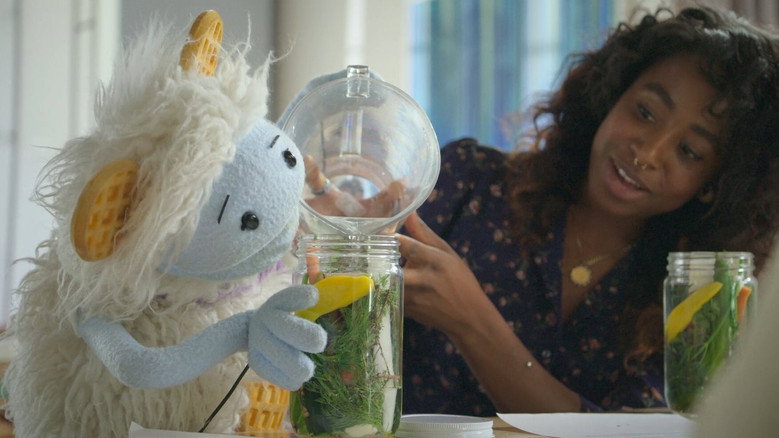
Waffles dropped the store's last jar of pickles and needs to replace them... fast! But pickling is a process that, like all good things, takes time.
| Runtime (min) | 26 |
|---|---|
| Air Date | 2021-03-16 |
| Genres | Kids |
| TV Rating | TV-Y |
| Network(s) | Netflix |
Storyline
When Waffles accidentally drops the last jar of pickles in Mrs. Obama's store, he and Mochi embark on an urgent mission to replace them before anyone notices. Their journey takes them around the world to learn about the ancient art of pickling, starting with a visit to Japan where they discover that pickling isn't just about cucumbers. They meet experts who show them how cultures everywhere preserve vegetables, from Korean kimchi to Italian giardiniera.
The central challenge becomes clear when Waffles and Mochi learn that true pickling requires patience—cucumbers must sit in brine for days or even weeks to transform into proper pickles. This revelation tests Waffles' desire for a quick fix. Throughout the episode, the friends experiment with different pickling methods and ingredients, ultimately discovering that some processes simply cannot be rushed. By the end, they gain a deeper appreciation for the time and care that goes into making the foods we enjoy, and they learn to value patience as an essential ingredient in cooking and in life.
What parents say
Parents have praised Waffles + Mochi for its educational approach to food and cooking, noting that the show makes learning about global cuisines accessible and fun for young children. Many appreciate that the series features Michelle Obama as a relatable mentor figure who encourages healthy eating without being preachy. Parents have mentioned that their children become more curious about trying new foods after watching episodes, and several have reported that the show inspired family cooking projects.
Some parents particularly value the show's emphasis on patience and process, as seen in episodes like "Pickles." They note that the lesson about waiting for good results resonates beyond the kitchen and helps children understand delayed gratification. Parents have also complimented the diverse cultural representation throughout the series, saying it exposes children to food traditions from around the world in an age-appropriate way. The gentle humor and puppet characters make potentially complex topics like fermentation engaging for preschool and early elementary audiences.
What kids learn
Children learn that patience is a valuable skill, especially when creating something worthwhile. The episode demonstrates that not everything can be instant, and some of the best results come from waiting and following a process carefully. This lesson extends beyond pickling to other areas of life where children might want immediate results, helping them understand that good things often take time.
The episode introduces kids to the concept of food preservation and the science behind pickling. They discover that people around the world have developed different methods to make food last longer, and that pickling transforms ordinary vegetables into something entirely new through a natural process. Children learn that the same technique can be applied to many different vegetables, not just cucumbers, broadening their understanding of culinary possibilities.
Kids also gain exposure to global food cultures, seeing how different countries have their own pickling traditions. This cultural awareness helps children appreciate that food connects people across the world and that trying new foods can be an adventure. The episode encourages curiosity about where food comes from and how it's made, potentially inspiring children to ask questions about their own meals and even participate in cooking at home.
Parents' top 5 questions
| Question | Answer |
|---|---|
| Is the pickling process shown in the episode accurate and safe for kids to try? | The episode presents pickling as a real process that takes time, which is accurate. While the show demonstrates the basics, any actual pickling project at home should be supervised by adults and follow proper food safety guidelines. Quick-pickling methods (refrigerator pickles) are safer and faster for children to participate in than traditional fermentation, which requires careful attention to sterilization and acidity levels to prevent harmful bacteria growth. |
| How can I reinforce the patience lesson from this episode? | Use the episode as a springboard for discussions about other things that require waiting, like growing plants from seeds or waiting for a birthday. You might try a simple cooking project together that involves waiting, such as refrigerator pickles that are ready in a day, freezing fruit for popsicles, or baking bread that needs time to rise. Connecting the lesson to everyday experiences helps children internalize the value of patience. |
| What age is appropriate for understanding the pickling concept? | The episode is designed for preschool through early elementary ages, roughly three to seven years old. Younger children will grasp the basic idea that vegetables change when placed in special liquid and that this takes time. Older children in the target range can begin to understand the transformation process more deeply and may be ready to help with supervised pickling projects that demonstrate cause and effect. |
| Does this episode encourage my child to try new vegetables? | The episode showcases a variety of pickled vegetables from different cultures, which can spark curiosity about unfamiliar foods. Seeing Waffles and Mochi taste and enjoy different pickled items may make children more willing to try them. The playful, adventurous tone helps frame trying new foods as exciting rather than intimidating. Following up by offering a small taste of pickles or other pickled vegetables can capitalize on this interest. |
| Are there any scary or upsetting moments when Waffles breaks the jar? | The moment when Waffles drops the pickle jar is presented as an accident that leads to a learning adventure rather than as a source of serious distress. The show handles the mistake gently, focusing on problem-solving and making things right rather than on punishment or shame. This approach models healthy responses to accidents and reassures children that mistakes can be opportunities to learn, making it appropriate for sensitive viewers. |
Writing
Directing
| Season # | Episode # | Episode Name |
|---|---|---|
| 1 | 1 | Is a tomato a fruit or a vegetable? To find out, Waffles and Mochi try pasta with tomato "candy," yummy pizza and a cold soup called gazpacho. |
| 1 | 2 | Salt can make our taste buds sing — but too much of it on top of Mrs. O's favorite cookies is a terrible thing! Turns out a little bit goes a long way. |
| 1 | 3 | With potato sales plummeting at the market, Waffles and Mochi take to the skies to learn about spuds and the delicious things you can do with them. |
| 1 | 4 | Waffles dropped the store's last jar of pickles and needs to replace them... fast! But pickling is a process that, like all good things, takes time. |
| 1 | 5 | Waffles helps Mochi trace his family tree to find out where he came from, only to discover a surprising ancestor — rice — with a fascinating history. |
| 1 | 6 | Mrs. O sends Waffles and Mochi on an epic hunt around the world to find four different kinds of eggs for her friend, a famous chef. Time to get cracking! |
| 1 | 7 | Herbs and spices are flying off the shelves at the supermarket — but so is all the color! Can Waffles and Mochi fix it before Mrs. O finds out? |
| 1 | 8 | A cooking contest challenges Waffles and Mochi to make the tastiest corn dish they can. But to win, they'll need to do some serious research. |
| 1 | 9 | Waffles and Mochi face their fears on a mission to find more mushrooms for the store by talking to experts who are putting the "fun" in fungi. |
| 1 | 10 | A special dinner to say thank you to all the friends they've made sends Waffles and Mochi in search of water — the world's most important ingredient. |
This product uses the TMDB API but is not endorsed or certified by TMDB.