


Being a parent is a lot of work, but it’s also full of joy, hilarious moments, and amazing memories.
Most of us can probably easily name the stage we found the hardest, but can you name the stage of your child’s development in which you found parenting to be the most rewarding and joyful? There’s a lot to love at every stage, but the ‘best’ stage will vary depending on what moments are the most rewarding to you personally.
For some, it’s those baby smiles; for others, it’s watching the sense of humor develop, the independent thinking, or the moments when you realize your child is so much like you or your partner.
The Most Rewarding Moments Of The Newborn Stage
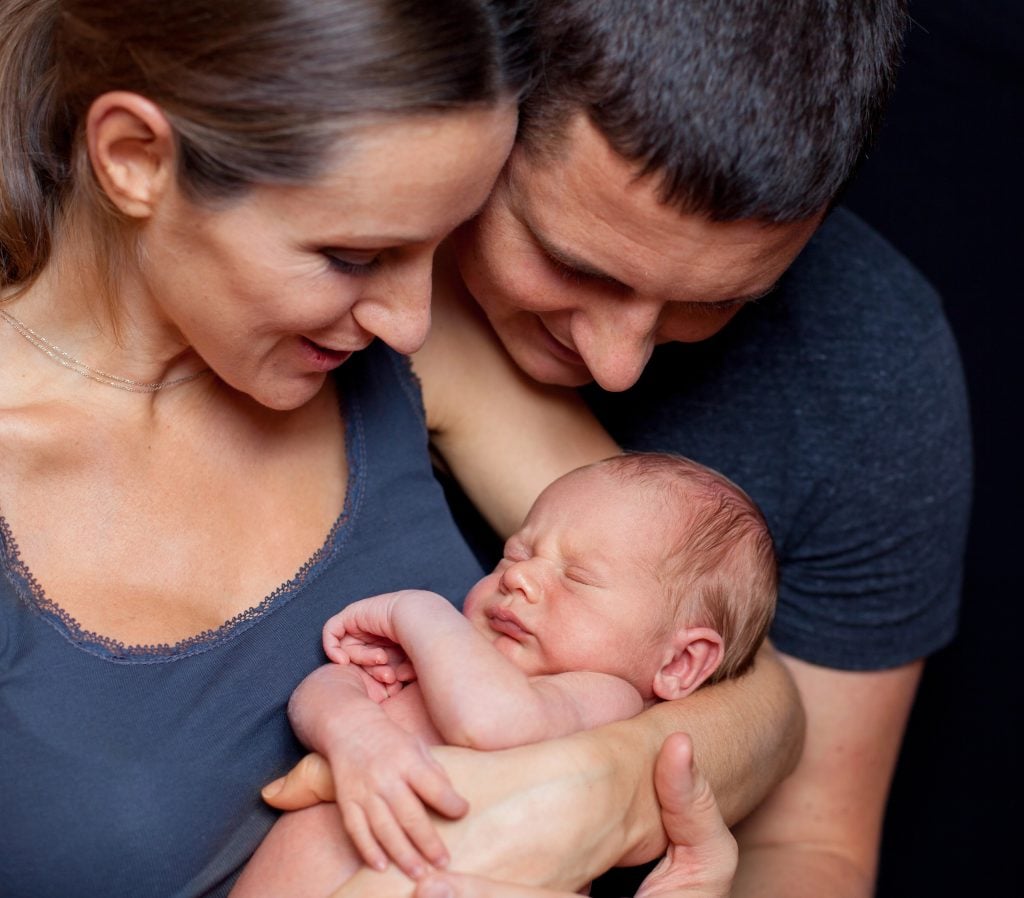
With newborns, everything is brand-new. Their cries sound different from those of older babies. Their little grasping hands are a miracle. You really don’t care whether that’s a real smile or just gas, because it’s so precious, you want to cling to it.
There’s a lot that’s hard about parenting a newborn, but it’s also a time of awe. This person literally just got here, and they are especially connected to you, to you more than anyone else in the world. You have the gift and the responsibility of raising, teaching, and loving them.
One of the most rewarding moments of parenting a newborn is when your baby stops crying as soon as you pick him up, and you feel a rush of the sense that you are the special person who makes him feel safe and whole.
If you’re breastfeeding, the moment that you actually get the baby latched properly after several frustrating tries feels like a miracle.
Then there are all those moments when you lay your cheek against your baby’s soft hair, and when your baby sighs and settles into you to sleep.
And let’s be honest: any time that your baby stays asleep in their crib long enough for you to shower or eat is pretty rewarding, too.
The Most Rewarding Moments Of Year One

The first year of parenting feels sort of like an unboxing or reading a mystery novel. It’s a constant string of clues about who your child is going to be. Is he grumpy in the mornings? Does he laugh when you do? Does he get occupied with toys, or wants to be in physical contact with you every minute? Will she let you put a bow in her hair?
None of these are really predictive, but it feels like being slowly introduced to someone new and trying to learn everything about them, because this person is suddenly the most important in the world.
It’s a year full of firsts. There’s the first real smile, and yes, it’s even more exciting than the ones that were maybe-real-maybe-gas. There are the laughs, and the moment that your baby actually participates in peek-a-boo. You’ll have the first time that she stops crying when she sees you, before you even pick her up, and the first time that she’s content to play beside you without being held.
At some point, your baby will start crawling, reach for toys (and your face), try to pull herself to standing for the first time, and say a few first words, and you’ll want to drink it all in and hold each of those moments so tightly.
How Two-Year-Olds & Three-Year-Olds Bring Joy
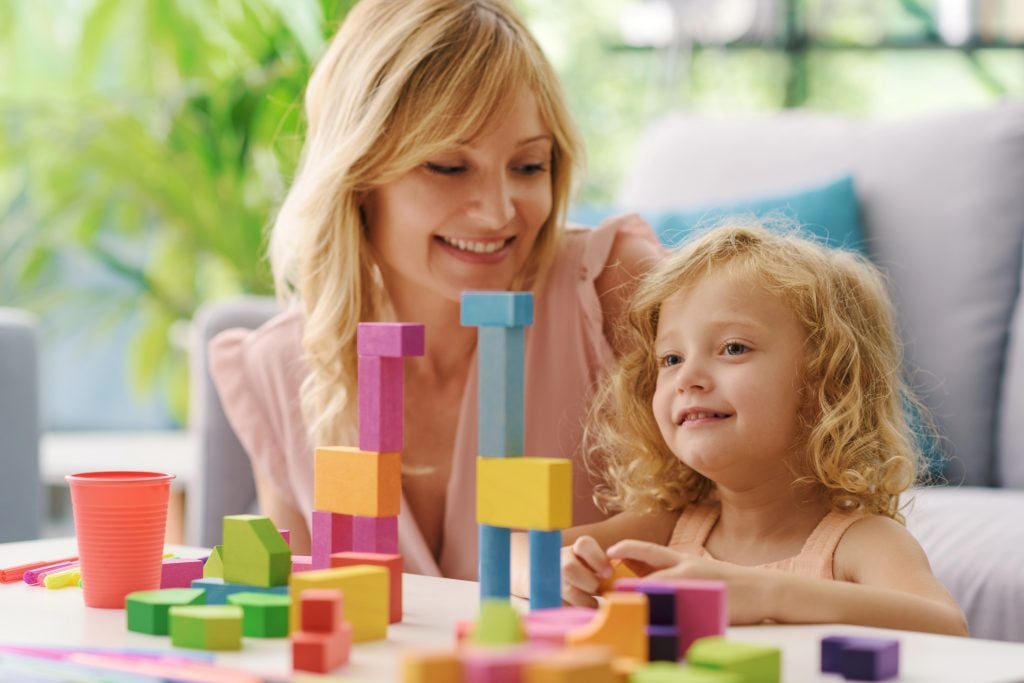
Okay, the toddler stage is one of the most intensive periods of parenting. When your kid is awake, you are on duty nonstop, and when he’s asleep, he could wake at any moment.
That said, it’s full of beautiful moments. Your child might laugh when you put a bowl on your head instead of putting food in it. He can feed himself, mostly. He’s interested in how things work, including remote controls, doorknobs, and pets, so you’re always watching closely, but he’s starting to understand that he has to pet the kitty gently and that he has to put his blocks back in the box.
He’s starting to develop a little vocabulary, and it’s a relief that he can ask for milk, his paci, or to be picked up, and you don’t have to guess which one he needs.
Toddlers are super cuddly, and they love to play, so it’s a great age for bonding.
Also, at some point in this period, you might get to ditch the diapers, which is definitely a rewarding moment in parenting!
Big Wins At Age Four
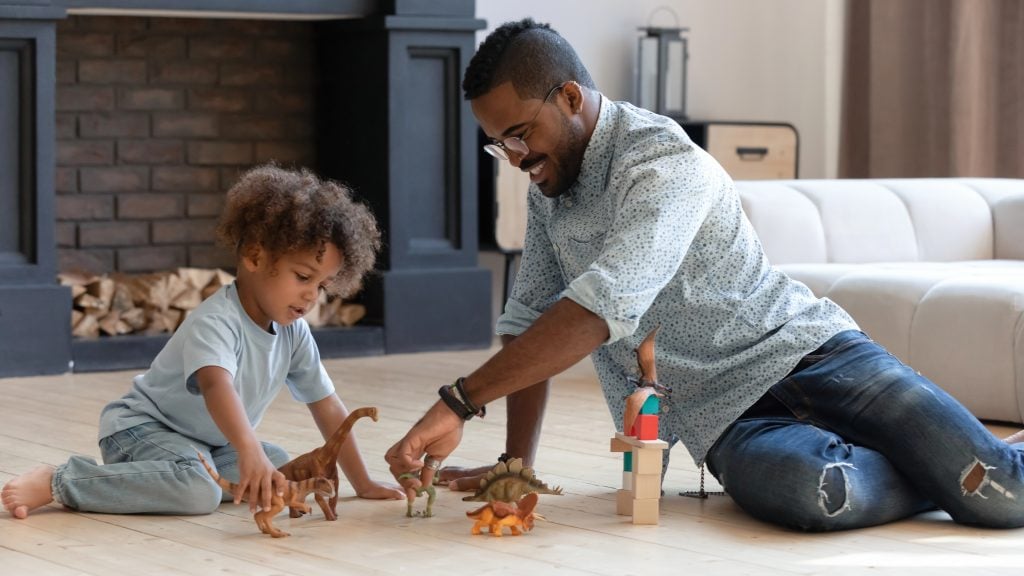
At almost every age, parenting is about easing your kid through developmental leaps and hurdles. They’ll suddenly want to explore a new idea, but their bodies won’t yet have the physical skills, or they’ll have a growth spurt and have to work to catch up with the changes.
Four-year-olds exemplify this. They have so many new ideas. Their imaginations are on overdrive, so you get to join in as they tuck their toy truck in for sleep, or as their invisible pet unicorn learns to fly, or as they tell you about how they drove a train last night when they were sleeping (and no, they don’t understand yet that dreams aren’t real).
Your kid will start developing his own sense of humor (I’m thinking of the time my now-teen brought me an 8-shaped foam puzzle piece, said “ATE,” then bit it, and cracked up), and his own likes and dislikes.
They’re also big enough to plan with. “First, we’ll go potty, then we’ll put on our shoes, then we can go outside! Potty, shoes, outside!” (Yes, I learned one of my best preschool parenting tactics from Dora the Explorer. It’s unbelievable how well it works.) They can finally truly understand that steps 1 and 2 lead to the much-desired outcome, step 3.
The Great Moments Of Having A Kindergartner

One of my favorite moments with each child is when they’re learning to read. There’s a moment when they, for the first time, look at a clump of letters and actually see a word. For me, that’s a miracle.
It’s not the only miracle of the kindergarten ages, though. Right now, your babies are going through cognitive leaps. It’s like when you watched them walk for the first time, except this time it’s in their brains, and you get to witness it coming out of their mouths.
Suddenly, your kid can tell you that she would like five crackers because she is five years old, and double-check your math. She wonders about days of the week, because Saturday is for the playground, and she knows which days are school days. She can look at a calendar and understand how far away her birthday is, with some help.
This is a time for listening, because your baby has suddenly figured out how to put all the thoughts in her little head into words, and it is amazing.
How Ages Seven & Eight Warm Parents’ Hearts

I love the ages where your kids can start to join you in board games, can play independently on the playground, and start telling you about the plots of their favorite video games.
When MamaMia asked parents about their favorite ages, some said that this was the best because kids are “still sweet” and not yet embarrased to be seen with their parents, but that they’ve also developed a lot of independence (isn’t it nice to have a kid who can pour his own cereal?) and haven’t quite hit the moodiness of tween years.
They’re also full of intellectual curiosity. They want to know why dogs don’t speak English, why the car’s turn signal makes that bonky sound, and whether they can operate the television from another room by sneaking the remote out. It’s like they just got a grasp on how big the world is, and they want to know it all. Bonus: they still trust you to answer.
Humor & Growth Central To Tween-Parent Bonding

From ages 9 to 12, your kid is starting some significant changes. They’re becoming increasingly independent but may also want to spend more time in their own space, on their own, or with friends rather than with family.
That makes every moment you can share together more precious. Now you’ll get to bond over movies, board games, video games, funny memes, and the songs and podcasts you share in the car. The key is finding things you both like, and if that doesn’t exist, find the media your kid loves that you can tolerate, and share it anyway.
Listening to all the intricate details of your tween’s Minecraft build may or may not be your favorite thing, but right now, he’s learning whether he can expect you to listen, and this bonding will stick. I don’t know whether I’ll ever play Hollow Knight, but when my 12-year-old comes to tell me about the latest pantheon he’s beaten, I know that he wanted to share something with me, and that’s worth holding onto.
Early Teen Independence & Skill Development
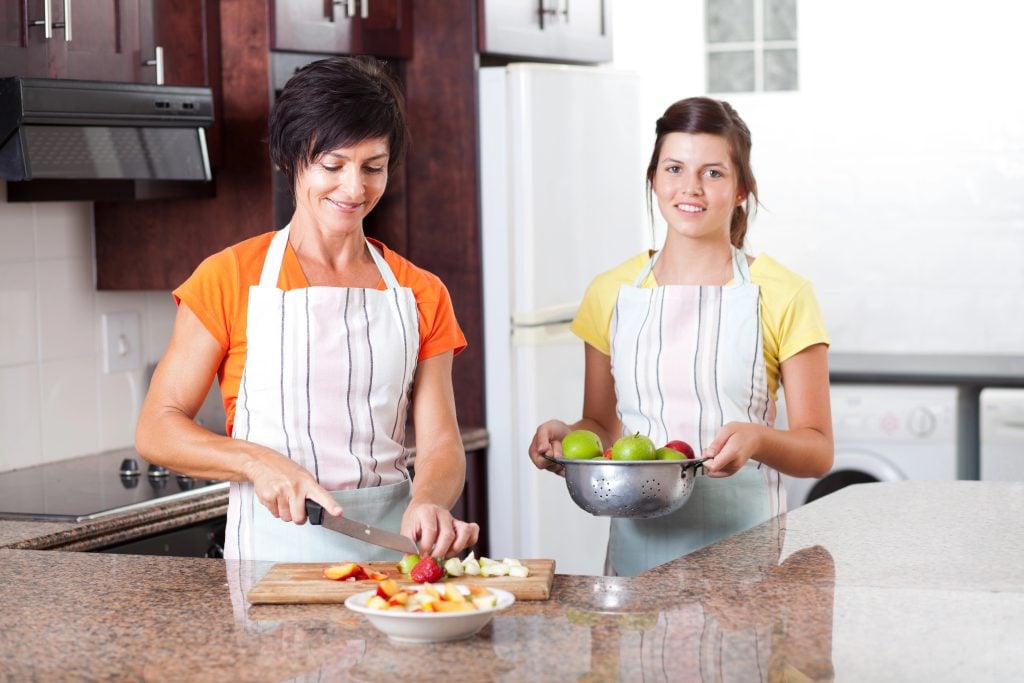
From about 13 to 14 or 15, it’s common for kids to deal with new struggles, with hormones changing their bodies and taking over their moods. At the same time, they really want independence, and bonding over passing on new skills is the secret ingredient.
At this age, the rewards often lie in teaching your child something new, whether it’s a math trick, a cooking or sewing skill, or an answer to their questions about body development and relationships. Every time you can make a connection and build trust, you both win.
It’s also awesome to be able to rely on that independence and the skills your teen has learned when they take over cooking supper one night, adopt a household chore as their own, or offer to babysit younger siblings for short periods.
The Bonding Unique To Parenting Older Teens

When your kids hit the ages between 16 and 19, there’s a lot of room for bonding. You get to share more about the world and yourself (not oversharing) than you could when they were younger.
Your kids are getting close to, or already participating in, elections, and they have questions about candidates, issues, and the electoral process. Now you get to tell them what matters deeply to you, and why it’s important.
They want to understand your parenting philosophies (and challenge you on them), learn more about relationships, and share all their views, too.
In fact, parents told HuffPost that the best things about parenting teens include the deeper conversations, hearing their inner thoughts, and watching their perspectives mature.
Being A Parent Of Adults Is Amazing

When the Mom’s Choice Awards collected parents’ proudest moments, one said, “When I saw my daughter being a better parent than I ever was.”
As a parent, there’s nothing better than watching your kids grow into people who do things above and beyond what you’ve done yourself and what you’ve taught them.
All three of my adults have skills and knowledge beyond my own, and it is a joy to listen to them share what they know. It’s a gift to know that they each became their own person, with their own goals and their own achievements.
Some of the most rewarding moments as a parent of adults are when they share what they’ve learned, and I know I had a little part in it, but that much of it came from within them. It’s amazing.
