


Three months after losing her husband, Kimberly Van Der Beek took to social media to share photographs of James Van Der Beek alongside their six children, writing in a post covered by People that the weight of loss is becoming more real with each passing week. “Reality is settling in,” Kimberly told People, in words that will resonate with any parent who has faced the unimaginable task of raising children through profound grief.
James and Kimberly’s family includes four daughters, Olivia, Annabel, Emilia, and Gwendoly, and two sons, Joshua and Jeremiah. Six children. Six young people now growing up without their father present in the home. The tribute was both a public acknowledgment of loss and a quiet testament to the ongoing, daily work of parenting through it.
When Grief Becomes The New Normal
For any family navigating the death of a parent, the early months are often described by grief experts as a period of shock and numbness. What Kimberly is describing, reality settling in, is a recognized and deeply difficult phase of bereavement. The acute pain does not necessarily peak immediately after a loss. For many surviving parents, it intensifies as the fog of the initial weeks lifts and the permanence of the absence becomes undeniable.
One widow who wrote about her own experience for the Hope for Widows Foundation described the overnight transformation that follows a spouse’s death with striking clarity.
Her essay on how the death of her husband fundamentally reshaped her approach to raising her son recounts how she enrolled her child in grief counseling, sent him to a bereavement camp, and encouraged him to keep a journal — only to discover that none of those conventional tools connected with him. “I quickly learned what helped me with my grief did not work for my son,” she wrote, explaining that what he needed instead was movement and conversation: a trusted adult who could join him in physical activity and let the talking happen naturally alongside it.
Her essay is a powerful reminder that grief looks different for every child, and that surviving parents often have to experiment, adapt, and let go of the plan they had imagined.
That widow also described restructuring her entire work schedule to carve out dedicated time with her son, traveling with him when her job required it, and making a conscious decision never to let his grief become an excuse for abandoning structure and boundaries. Stability, she found, was its own form of love.
The Particular Weight Of Solo Parenting Six
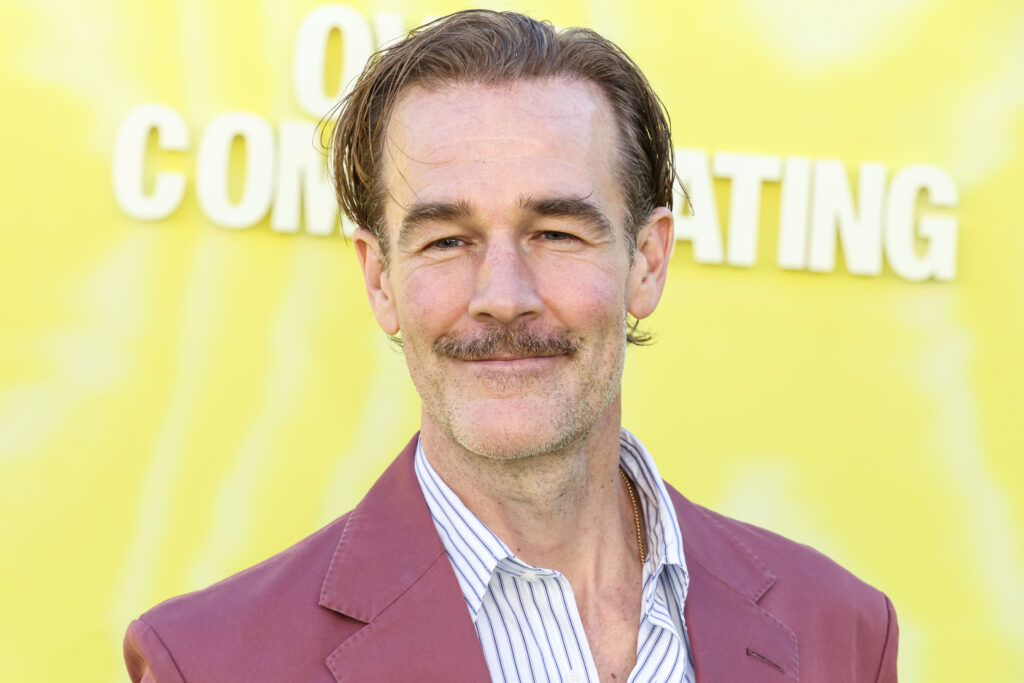
Kimberly Van Der Beek is now the sole parent to six children spanning a range of ages and developmental stages. The logistical and emotional demands of that reality are staggering. When two parents share the load, they can check each other’s instincts, divide the emotional labor, and offer each other reassurance.
When one parent is gone, every decision, from the mundane to the life shaping, falls to one person.
Therapists and grief counselors who work with bereaved parents note that the loneliness of solo parenting after loss is one of its most underreported dimensions. A widowed parent may feel pressure to suppress their own mourning in order to appear strong for their children, which can delay and complicate their own healing.
According to a Psychology Today piece on the emotional complexity bereaved parents face as they rebuild their lives and eventually consider new relationships, one of the most important things a grieving parent can do is give themselves permission to tend to their own emotional needs, not just their children’s.
The piece, drawn from therapist Corinne Masur’s book How Children Grieve: What Adults Miss and What They Can Do to Help, describes a patient who spent the majority of his early therapy sessions focused entirely on his children’s grief, deflecting questions about his own. “He was still sad, he still missed his wife terribly, and at the same time, he felt that he needed to do more for himself,” Masur wrote in Psychology Today, paraphrasing the patient’s eventual realization.
That tension, between being everything your children need and acknowledging your own humanity, is one Kimberly Van Der Beek is almost certainly navigating right now, in real time, in front of millions of people who followed James’s career and his family’s story.
Children Grieve Differently At Different Ages
With six children, Kimberly faces the added complexity of meeting each child where they are developmentally. A toddler’s understanding of death is fundamentally different from a school age child’s, and a teenager’s grief can look more like anger or withdrawal than tears. Grief specialists consistently emphasize that there is no single correct way for a child to mourn, and that parents should resist the urge to impose a timeline or a method.
What research and lived experience both suggest is that children benefit most from consistency, honest age appropriate communication, and the reassurance that the surviving parent is not going anywhere. Maintaining routines, mealtimes, bedtimes, school schedules, provides a scaffolding of predictability when everything else feels uncertain. And allowing children to talk about the parent who died, to keep photographs visible, to tell stories and ask questions, helps them integrate the loss rather than bury it.
Kimberly Van Der Beek’s willingness to share this milestone publicly does something important: it normalizes the slow, nonlinear nature of grief for families watching from the outside. There is no three month finish line, no point at which a widow of six children is expected to have found her footing. By posting those photographs and admitting that reality is only now fully arriving, she is modeling something honest and necessary, that grief is not a problem to be solved quickly, and that loving your children through it, one day at a time, is enough.

