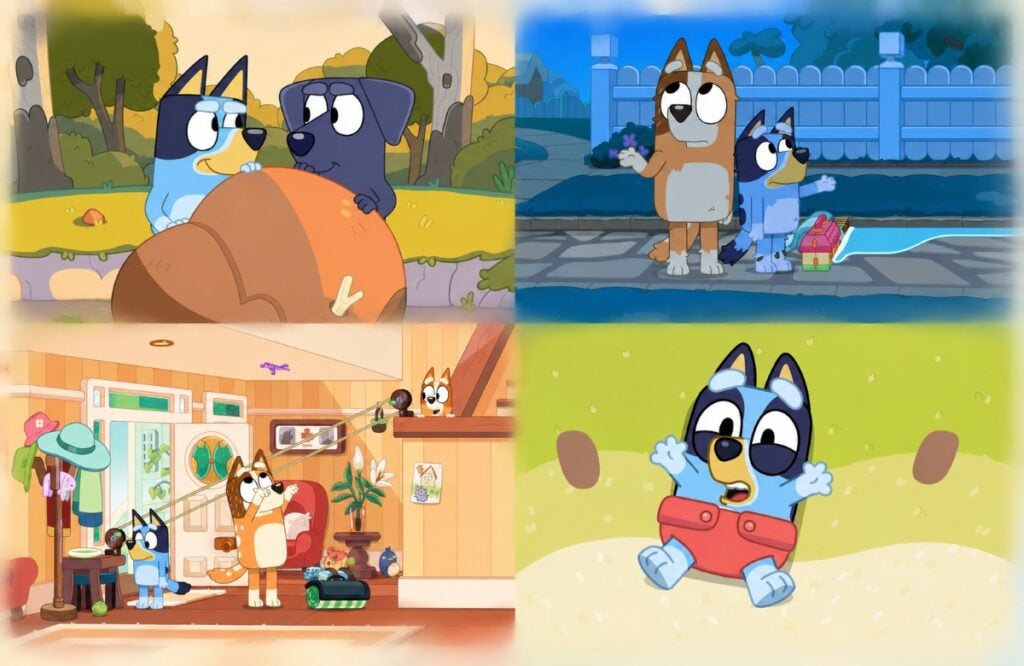
Another Bluey episode, another 23 minutes of me trying to contain my sobs on the sofa. My kids are oblivious while they laugh along with Bluey and Bingo. All the while, I feel as if someone has reached into my soul and reshaped it for the better.
What is it about Bluey episodes that simultaneously break and steal our hearts?
When I watch Bluey as a parent, I am aware of the skills I am learning while watching the show. Bandit and Chili are examples of the gentle, playful, boundaried, safe parent I had hoped to be. Who knew I would learn so much about parenting from some cartoon dogs?
Bluey As A Tool for Mental Health
The skills taught in Bluey extend far beyond parenting. As a therapist, I am keenly aware of the depth of emotion, the demonstration of coping skills, and the values and morals portrayed in the stories. There is a grounded humanity (regardless of the canines!) that lives in the lives of Bluey, Bingo, Chili, and Bandit.
The best Bluey episodes do not simply entertain us. Attachment, security, repair, grief, burnout, and identity transformation are key themes that can help us explore these emotions as parents.
The show gives us an important glimpse into the mental health of parents, children, and the space between that can connect and separate us.
Ranking Most Therapeutic Bluey Episodes
Ranking episodes as a family therapist is contingent on factors beyond entertainment and plot (though I have found that most Bluey episodes tend to be strong in both!).
The rankings below reflect emotional resonance, therapeutic value, usefulness in strengthening the parent-child connection, and opportunities for meaningful conversation with our children.
Baby Race: Season 2, Episode 50
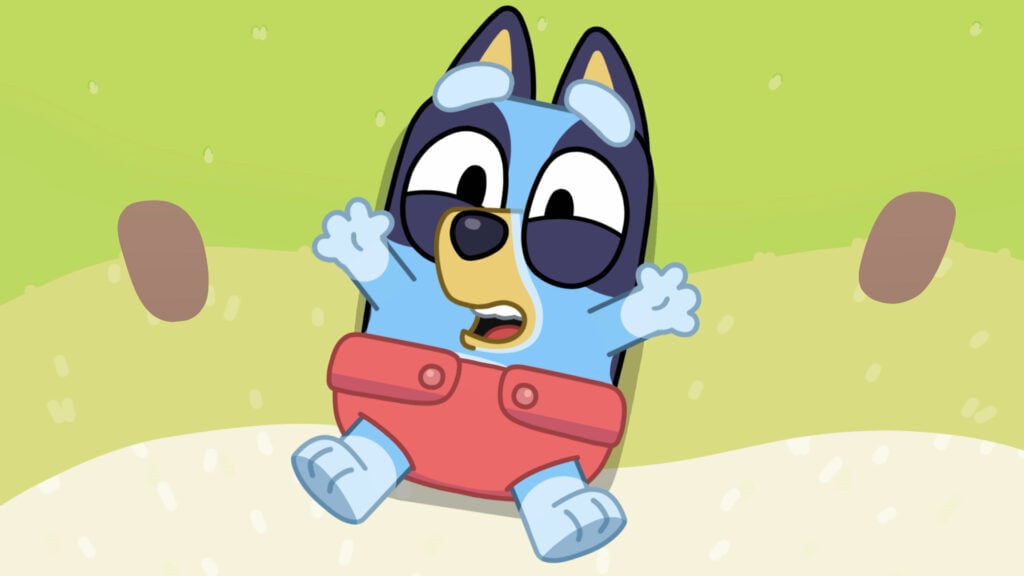
“You are doing great.”
Three words every parent wants and needs to hear. Baby Race is an episode that speaks to the parts of us that feel not-good-enough as a parent. The competition to do more, to “keep up” with parents who seem to have it all together, and the constant battle against perfectionism.
This episode highlights the importance of attunement with children rather than achievement. It allows us to sit with the realization that parental shame is connected to external pressures rather than to what is most important: connection, patience, and respect.
Dispelling parental shame is a significant theme in Bluey, and Baby Race does this with honesty and gentleness.
Sleepytime: Season 2, Episode 26
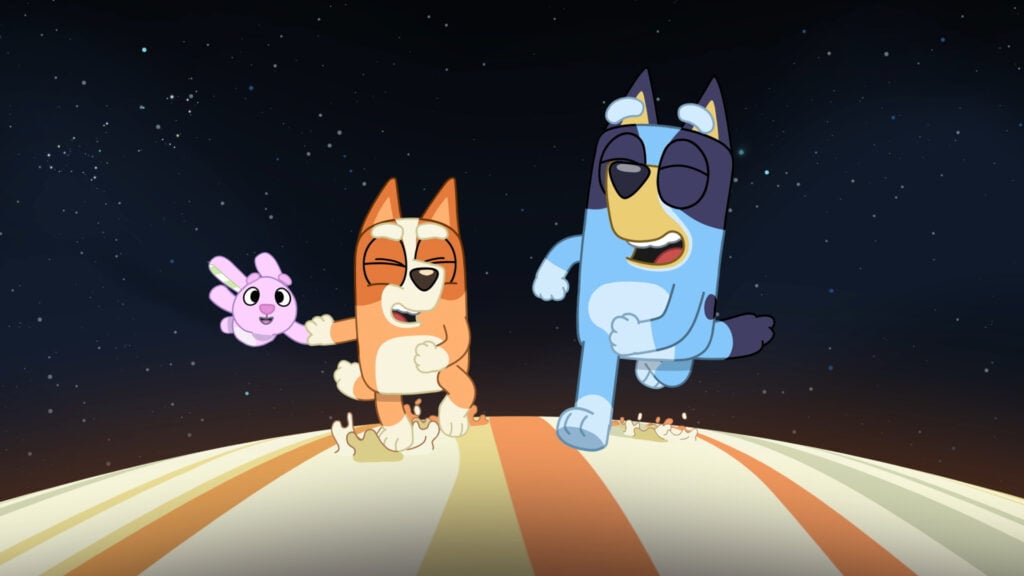
If I had to pick a “favorite” Bluey episode, Sleepytime would be it. A deeply moving metaphor for parental attachment and individuation during childhood, Sleepytime mixes imaginative imagery with relatable themes of children who struggle with sleep.
This episode supports parents and kids alike with themes of separation anxiety and bedtime anxiety. It reminds us of the permanence of emotional connection to someone, whether around the world or just down the hallway.
Flat Pack: Season 2, Episode 24
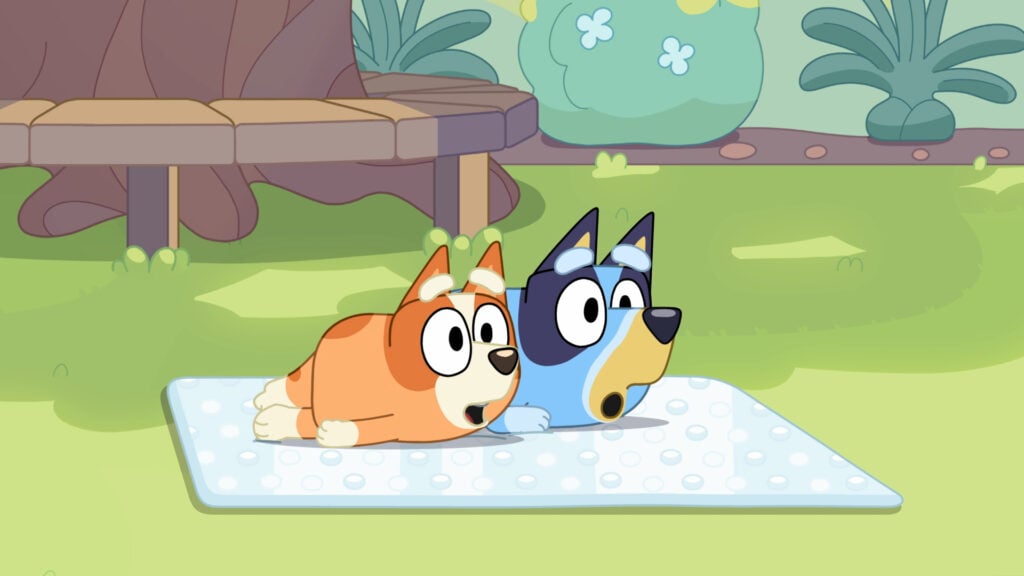
Parenting is a constant experience of growth and grief. Flat Pack is an episode that encapsulates these experiences.
We all know our children will grow up. The moments we realize they have moved onto a new stage of development are bittersweet. Flat Pack explores these tender and painful emotions, while still making room for us to be open to growth.
Camping: Season 1, Episode 43
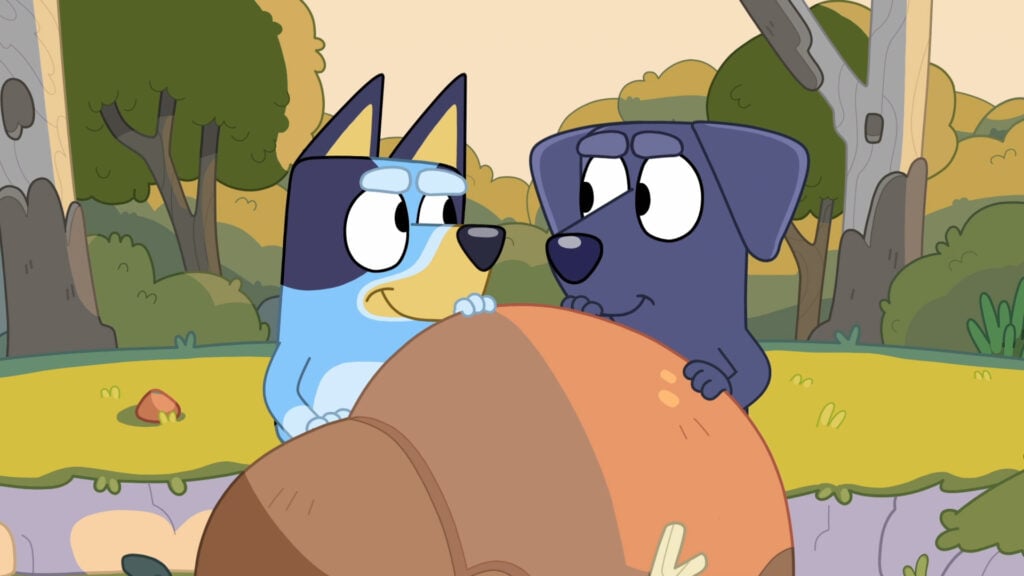
We all can look back on childhood and remember people who may have crossed our paths briefly but changed us in profound ways.
Camping honors this deeply human experience and allows us to examine the impact of transient relationships. Some relationships are temporary, and that does not make them any less impactful.
The Sign: 2024 Extended Episode
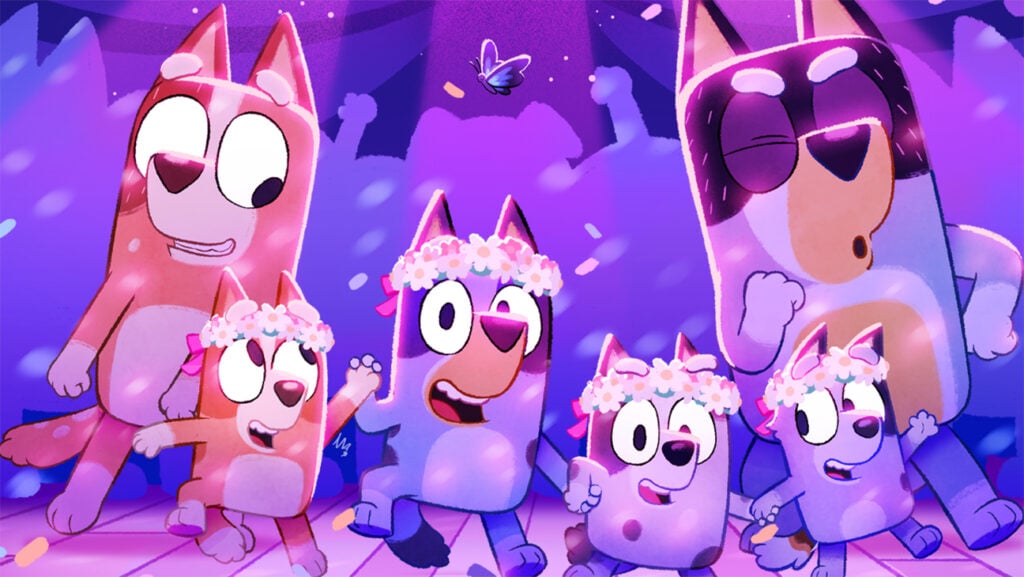
Relocating is one of the top three most stressful experiences for people (the death of someone and divorce/separation being the other two). Bluey creators take the immense emotional experience of relocating seriously. Starting over, saying goodbye, remaining connected, and building emotional resilience during times of uncertainty are all important themes in this episode.
Onesies: Season 3, Episode 31
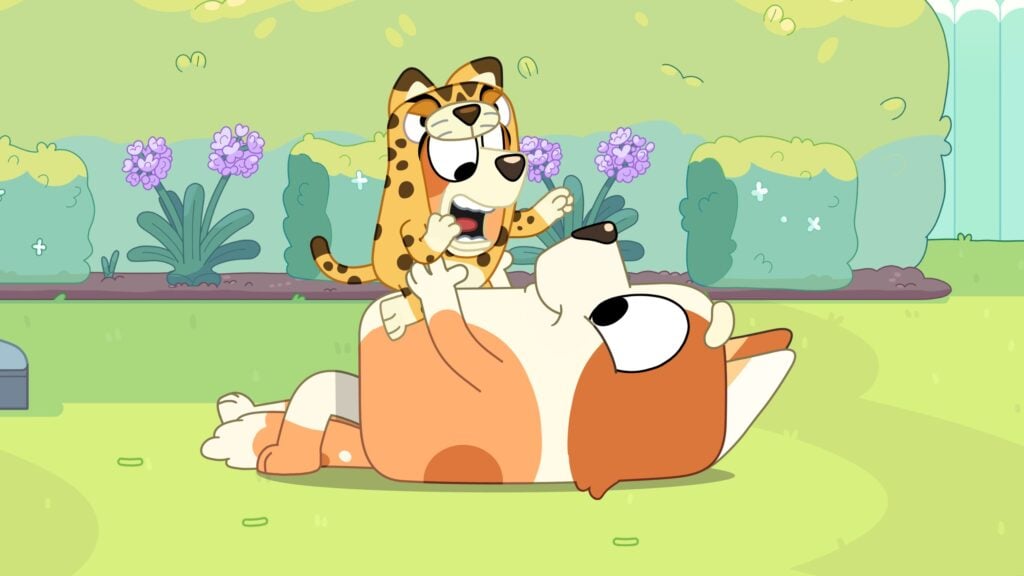
One would think that exploring themes of adult grief in a children’s program would be hard. But the creators of Bluey did just that, and did it well in Onesies. This episode highlights the infertility journey of a family member, without over-explaining the circumstances.
Empathy, connection, compassionate boundaries, and longing are all portrayed in the simple story of Bluey and Bingo’s aunt’s visit.
Rain: Season 3, Episode 18
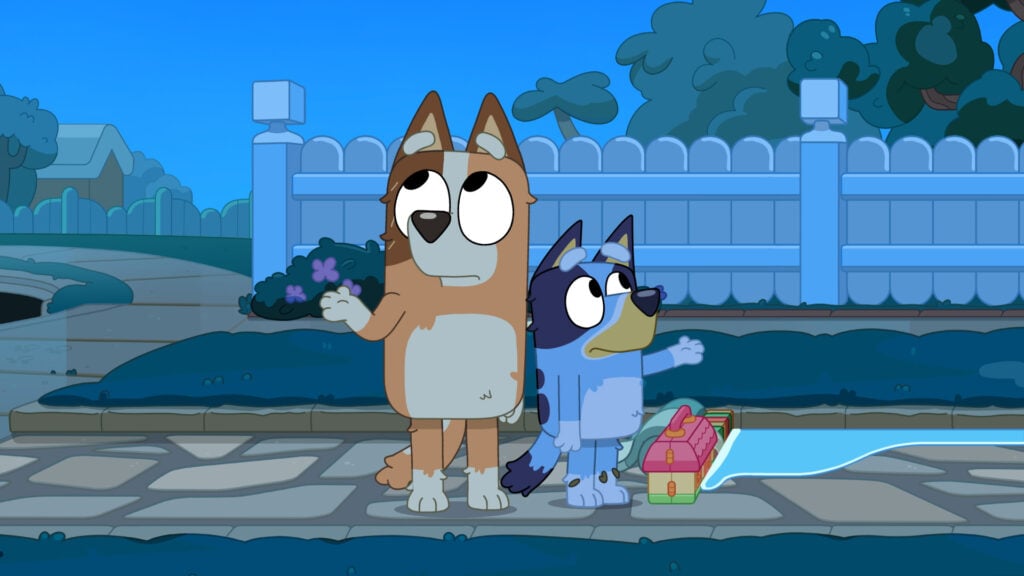
There is so much to love about television episodes with little dialogue. First, it makes us pay keener attention to what’s going on. Second, it helps us become more aware of the feelings that arise as we witness a story unfold.
When we watch Rain, we realize how powerful observation and feeling are. The story is mindful and simple. As parents, we get to enter Bluey and Chili’s world and build something with them.
Bike: Season 1, Episode 11
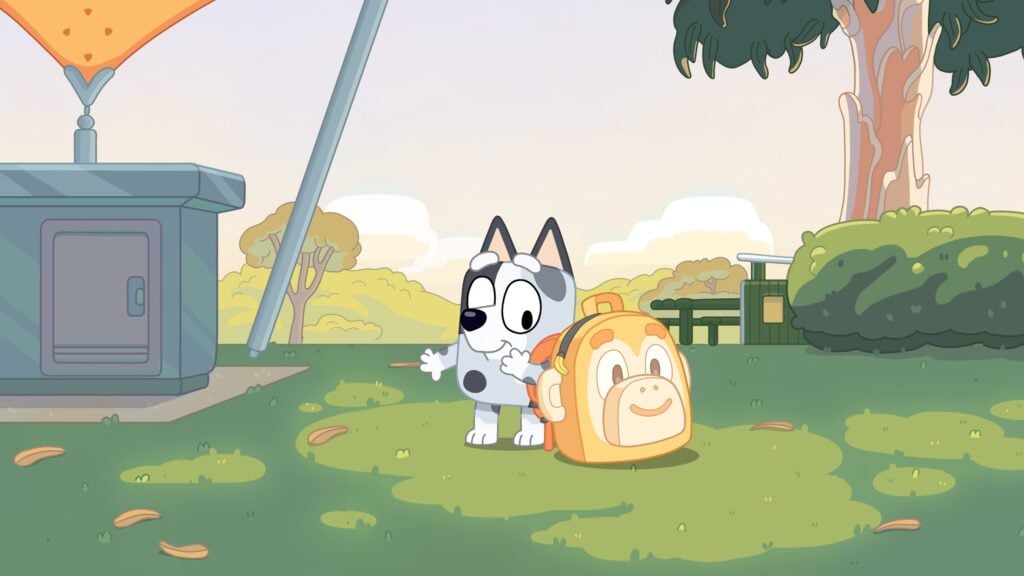
Holding back so our children can grow is one of many close-to-impossible tasks of parenting. We want to help our children, but also know that our help sometimes prevents them from figuring things out on their own.
Bike is an episode that challenges us to observe these dynamics with our children. In Bluey’s struggle, we witness the benefits of increasing frustration tolerance, perseverance, and confidence in our children. But only if we use supportive observation instead of doing it for them!
Granddad: Season 2, Episode 49
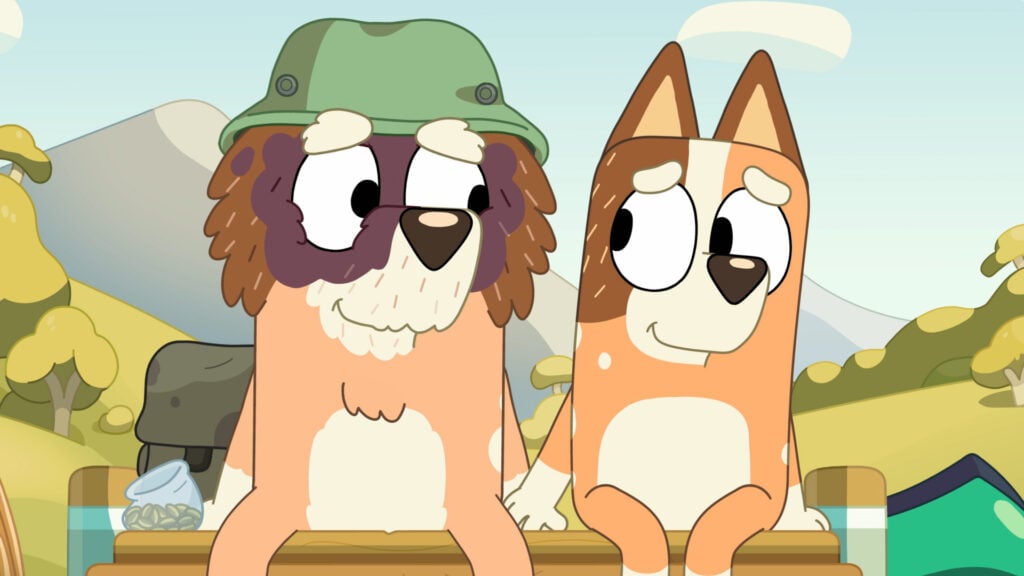
In true Bluey fashion, Grandad is an episode that takes adult themes of caring for aging parents and makes it palatable and relatable to all family members.
In this episode, children are given a chance to see Bluey and Bingo’s attachment towards their grandfather, and how that relationship changes in their older years. Parents have a moment to acknowledge the bittersweet awareness of time passing and the inevitable mortality that awaits all of us.
Sticky Gecko: Season 2, Episode 12
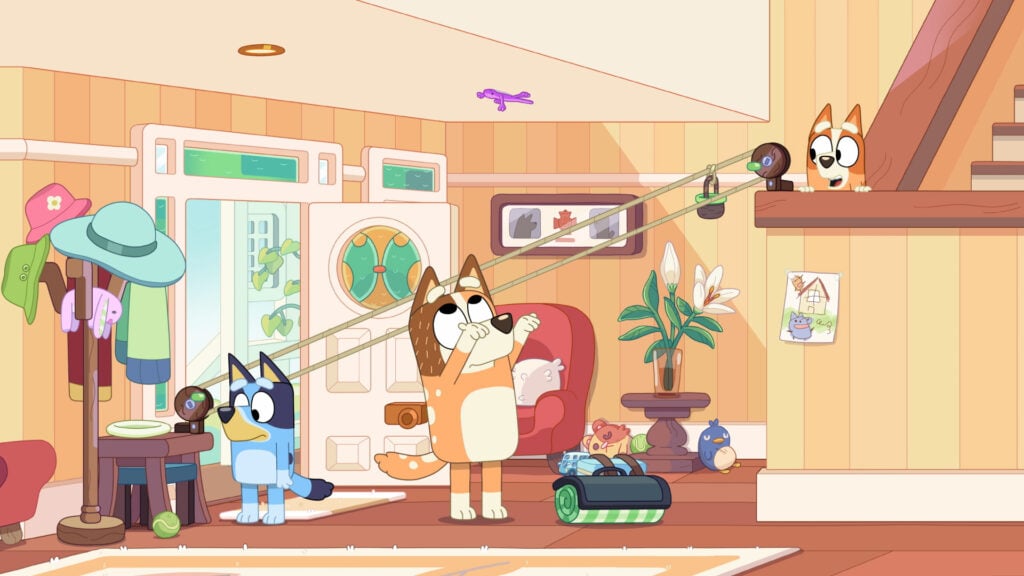
There is nothing more reassuring than seeing an accurate depiction of parental overwhelm and stress, and recognizing that it won’t ruin your children. Sticky Gecko truly makes us feel something uncomfortable, which is a good thing in the context of this show. Many of us did not have parents to model how to address these types of emotional experiences, and Bluey helps to guide us towards new ways to meet the moment.
Meaningful Conversations
The ranked episodes raise themes that can spark meaningful conversations with children. It is interesting to learn how episodes impacted our children in similar and different ways as adults. Below are questions that may prompt a deeper conversation with your children:
“How do you think they felt?”
“Have you ever felt like that?”
“What was your favorite part?”
“What do you think that episode was about?”
“What did Bandit/Chili/the grown-up learn?”
“What helped them?”
Connecting To Our Inner Child
Bluey is an incredibly entertaining, funny, short (in episode length!), and sweet television show. As the ranked episodes demonstrate, it is also deeply moving, healing, and reassuring for parents struggling with the relatable experience of raising young children.
We all connect to the child in ourselves when we watch Bluey, and a little part of us gets to learn and heal along with our children.