
It finally happened. My son became a pre-teen. It didn’t happen overnight, and somehow I avoided seeing the obvious signs.
It started innocently, in pursuit of more independence. Then he preferred to listen to music in his room rather than watch a family movie. Soon, he perfected the exaggerated eye roll when he thought I wasn’t looking. Then, he upped the ante by making surprisingly responsible explanations for why he should get more dessert or be able to stay up later than usual. Negotiations began to feel like I walked into a junior high debate club.
So, like the seasoned family therapist that I am, I buckled up and clarified boundaries. Increased consistent responses to behavior that was challenging. Provided simplified choices to allow for autonomy.
It all backfired.
The usual parenting hacks I had used in his younger years weren’t, well, hacking it. I gave him choices; he gave me a third, fourth, and fifth option (that actually worked for both of us). I gave him cause and effect consequences; he explained the nuances of the situation like a seasoned attorney and pleaded his case.
As my son was growing up, my parenting methods had to evolve. But how?
Parenting Styles: Which Is Most Effective?
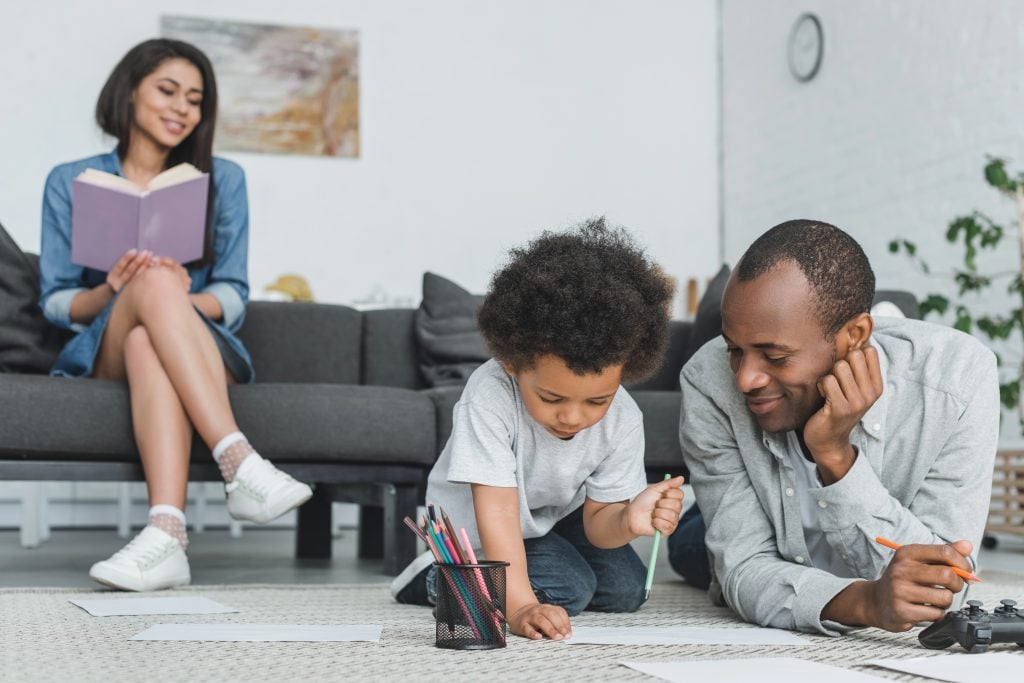
Enter Diana Baumrind, a developmental psychologist who first identified four distinct parenting styles. I have broken them down into basic factors below, along with an example of a quote you may hear from a parent using each parenting style.
Authoritative parenting – high warmth and clear expectations (example: “I can’t let you do that, but let’s talk about what you can do instead”)
Authoritarian parenting – strict rules with little emotional responsiveness (example: “Because I said so!”
Permissive parenting – high warmth but few limits (example: “Whatever makes you happy”)
Neglectful parenting – low warmth and low involvement (example: “You have a headache? You ARE the headache”)
Baumrind began researching these parenting styles in the 1960s. Since then, psychologists have conducted countless studies that show one thing: authoritative parenting, which combines warmth with structure, is associated with the most positive outcomes for children. Children who are parented with this method demonstrate fewer behavioral challenges (Pinquart, 2017).
The Rise Of Gentle Parenting

In recent years, new attention has been given to Gentle Parenting, which combines attunement to a child’s moods, models empathy, avoids harsh punishments, and values connection over correction. Not surprisingly, given research highlighting that a parent’s warmth towards the child positively impacts children’s behavior (Rothenberg et al., 2020). The millennial generation has taken to gentle parenting for a multitude of reasons, including their own painful childhood experiences and new access and understanding of the impact of mental health in childhood.
While Gentle Parenting has been an important stepping stone to understanding the impact of parenting on children, research has shown that GenZ parents have taken to more of a blended approach to parenting that encourages natural consequences and lacks the emotional labor required for Gentle parenting.
I had always attempted to use an Authoritative parenting style, given what I know about research on parenting. Now that it seems to no longer be effective, do I need to abandon it all? Do I become much stricter and more rigid? Do I lighten up and let more things go?
What is a parent to do when the old parenting methods are no longer working?
Individual Differences Make A Difference

Children are constantly changing, and no two children are alike. Even with multiple children, one sibling may require a gentler approach, while the other craves clear boundaries and structure. A child’s individual differences can include their developmental stage, temperament, ability to regulate emotions, ability to understand emotional states, and basic communication skills.
This is true for parents, too. We have various seasons of parenthood, and stressors that accompany them. Shifting careers, caring for aging parents, and our own mental health struggles. We may struggle with limited capacity, patience, and energy. All of these factors require us to be flexible with ourselves, too, as we navigate our children growing up.
What we DO know is this: children have individual needs. Parents have individual needs. So might it make sense to tailor parenting styles to those individual needs, given the current circumstances? Research has shown that parenting styles impact a child’s social skills and overall mental health (Salavera, Usán & Quilez-Robres, 2022). So might these parenting styles need to change as individual differences change?
Hybrid Parenting: Gentle Parenting Meets Authoritative Parenting

Hybrid Parenting attempts to take a child’s individual differences into consideration while offering a flexible, warm parenting style and continuing to uphold natural consequences and clear expectations.
Hybrid Parenting includes the following goals:
Adjust strategies by age. For example, I may give my 5-year-old two choices and stick to them. The next minute I may share two choices with my 10 year old but let them know I am open to hearing their ideas too.
Lead with connection. A parent’s warmth towards their child has been a common denominator in much research on effective parenting. Think about how to validate your child, repeat back what they say, and reflect on how you think they feel. Connection comes before correction.
Use clear expectations. Talking through what is expected before doing it helps a child understand how to be successful. This includes their daily schedule and what we expect of them day-to-day. Talk through everything from chores to how to respond to people who are talking to them. We can offer expectations and guidance while allowing them to learn on their own terms.
Apply natural consequences. Hybrid parenting does not ignore guidance, redirection, or the need to address misbehavior. What it does focus on is allowing a child to make mistakes and learn from their behavior. It supports reflection on a situation and helps a child develop critical thinking skills and learn to ask themselves the following question: “What happened?” “Why did it happen?” “What can I do next time to try something different?” (If they didn’t like the outcome) “Why did that go well?” (If they did like the outcome!)
Stay consistent with core values. Safety, respect, and warmth are the pin that holds it all together. Coming back to these core values and addressing misbehavior as something that doesn’t align with them can be an effective way for a child to understand the impact of their behavior.
Final Thoughts
So where does that leave me with my son? Looks like I will be trying some new things, and not brushing up on my debate skills!
Using what I know now about parenting styles, I can factor in a few things. My son is now moving into adolescence. Bülow et al. (2022) demonstrated that parental warmth combined with supporting a child’s autonomy was crucial during adolescence. So I can begin to adjust the way I approach guiding him. Instead of “telling him” what to do and how to do it, I plan to start “asking him” more about how he thinks we should approach a situation or complete a task. I am going to give myself a little more leniency too so I can be open to seeing what works and what doesn’t work.I am going to give myself a little more leniency, too, so I can be open to seeing what works and what doesn’t work.
Hybrid parenting draws on many tools we are familiar with and gives parents permission to adjust them based on their child and the circumstances. I was relieved to find out that hybrid parenting also does not mean constantly switching strategies without thought, inconsistent discipline, or abandoning structure altogether. It maintains the structure, guidance, and follow-through while giving a child space to grow into a more independent, critical thinker.
In the end, I am raising a human in this world. A human that I hope will be able to be aware of their emotional states, respond to others with empathy, think critically about the impact of their choices, and encourage others in doing the same. Luckily, researchers and parents alike continue to support each other as we all evolve to find the best parenting methods for each of our children