

Nearly a year after her 3-year-old son Trigg died in what she describes as a preventable drowning, TikTok influencer Emilie Kiser posted a video on April 30 calling on parents everywhere to take water safety seriously before tragedy reaches their own front door.
Kiser’s message is both personal and urgent. In the TikTok video she uploaded Thursday, Kiser said, “Our son Trigg passed away from a preventable drowning accident. This video is about my son Trigg and hopefully helping other families and other children.” The word “preventable” is the one that should stop every parent cold — because the data backs her up completely.
The Scale of the Problem
Drowning is not a rare or freak occurrence. According to the CDC, an average of 4,345 unintentional drowning deaths occurred each year from 2018 through 2021. For the youngest children, the numbers are especially devastating: drowning kills more children ages 1 to 4 than any other cause of death, and it ranks as the second leading cause of unintentional injury death for children ages 5 to 14.
The toll extends beyond fatalities. UC Davis Health notes that roughly 8,000 additional drowning incidents take place every year without a fatal outcome, yet many survivors face serious long-term health consequences — brain damage, organ complications, and lasting developmental consequences that reshape a child’s entire future.
Water Babies Canada reports that no other unintentional injury claims more young lives under age 5 in the country than drowning, with most incidents unfolding in moments of brief adult distraction, often without any warning sound or visible struggle.
The Danger Happens Faster Than You Think
One of the most sobering facts about childhood drowning is how little time it actually takes. Even shallow water, as little as two inches in a bathtub, bucket, or backyard puddle, presents a genuine drowning risk for toddlers.
UC Davis Health cites CDC data showing that the majority of young children who drown in residential pools had been observed inside the family home just minutes earlier, and that a parent or caregiver was almost always present on the property. The drowning did not happen because no one cared. It happened in a window so small that a single distraction was enough.
Water Babies Canada notes that most drowning incidents happen quickly and silently — often when an adult is only momentarily distracted. There is no splashing, no screaming, no dramatic signal that something has gone wrong. A child slips beneath the surface in silence, which is exactly why visual supervision cannot be replaced by listening from another room.
What Parents Can Actually Do
Experts and safety organizations agree on several concrete steps that meaningfully reduce drowning risk for young children.
Make supervision non-negotiable. Undivided, eyes on attention is the single most important protective factor when children are near any water. That means phones down, conversations paused, and full focus on the child. When multiple adults are present at a pool or beach gathering, designating one person as the sole water watcher at any given time — and rotating that responsibility every 15 to 20 minutes to prevent attention fatigue — helps ensure supervision doesn’t fall through the cracks in a crowded social situation.
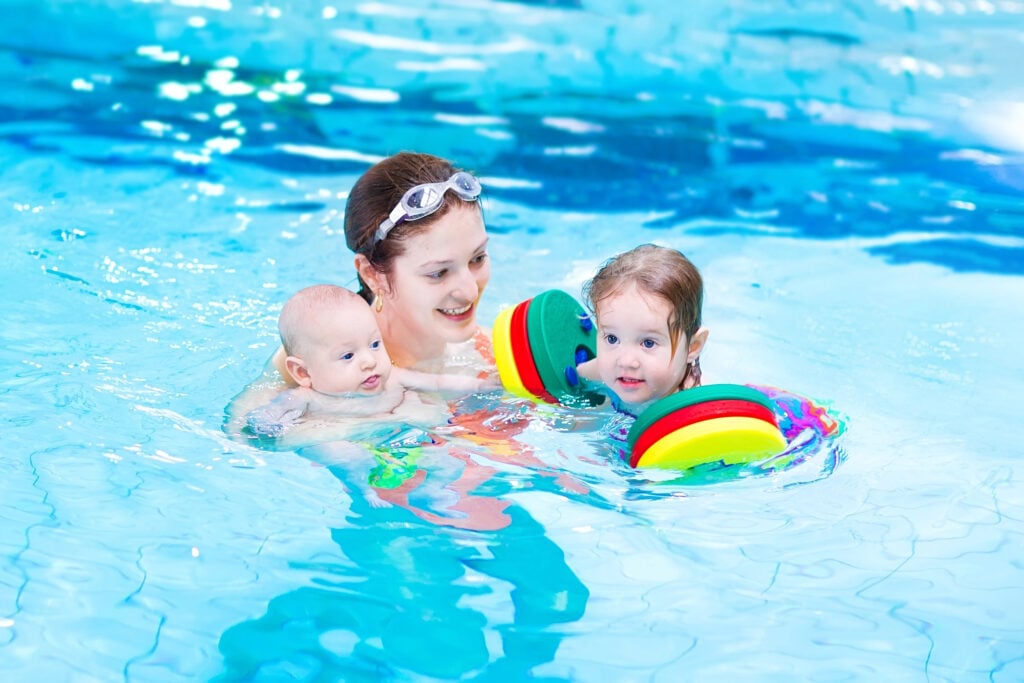
Do not trust floaties as safety gear. Inflatable armbands, pool noodles, and foam toys are play equipment, not life-saving devices. Parents and caregivers should treat them as fun accessories and nothing more. Properly fitted, Coast Guard-approved life jackets are the appropriate choice for open water, boating, and any situation where a child could be in over their head.
Start swim lessons early. Children can begin water survival skills training between the ages of 1 and 4, and formal lessons have been shown to reduce the risk of drowning. Getting into the water alongside young children builds both their skills and their comfort, but even children who have completed swim lessons still require close adult supervision at all times.
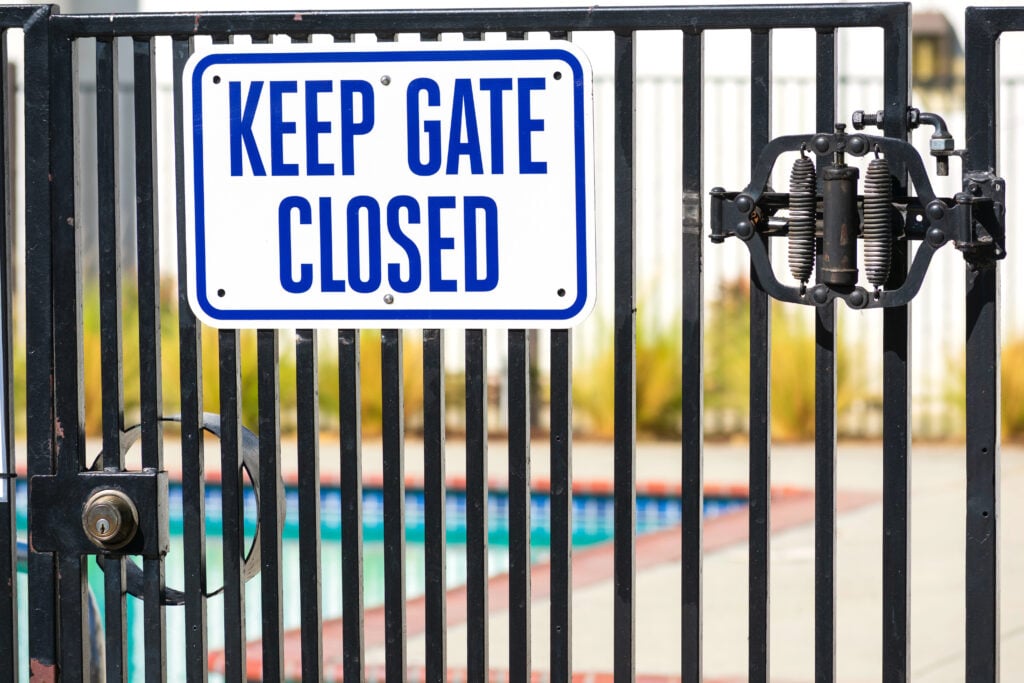
Secure the home environment. Pool areas should be fully enclosed with a fence at least 5 feet tall, ideally with gates that close and latch automatically. Bathtubs should never be left unattended, and buckets, paddling pools, and other containers holding water should be emptied immediately after use. Pool toys stored out of sight remove a temptation that can draw curious toddlers toward water without an adult noticing.
Learn CPR. Knowing how to respond in the seconds after a drowning incident can be the difference between life and death. Parents, grandparents, babysitters, and any regular caregiver should complete a certified infant and child CPR course and refresh that training regularly.
‘Preventable’ Is The Important Word
Emilie Kiser did not have to share her grief publicly. She chose to, because she understands something that statistics alone cannot convey: behind every number in the CDC’s drowning data is a family that believed it would never happen to them. The word “preventable” carries enormous weight when it comes from a mother who lost her child anyway.
If her story prompts even one parent to put down their phone at the pool, enroll their toddler in swim lessons, or finally install that fence gate, then Trigg’s memory is doing something meaningful in the world. Water safety is not a summer checklist item — it is a year-round commitment that starts the moment a child is old enough to move toward water on their own.

