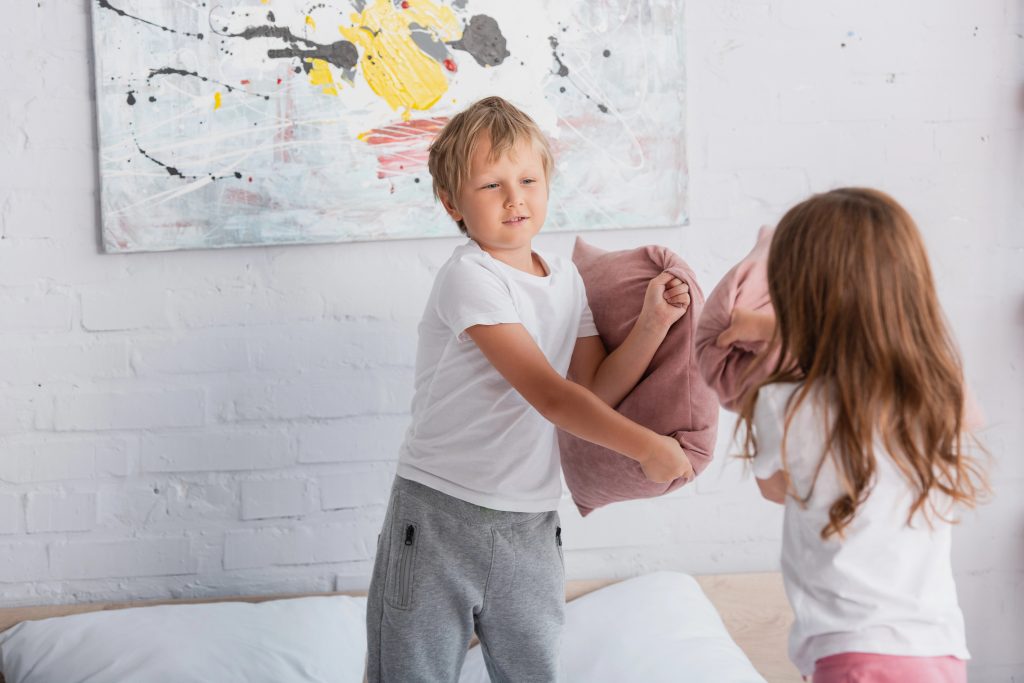
Sibling rivalry is one of those things that families of multiples are all too familiar with. Different personalities and developmental milestones can affect the way siblings behave around each other. One minute, they could be sharing their toys nicely, and the next, it’s nothing short of a WWE match.
When I had my second daughter, I pictured my eldest hugging her and being excited to lead and play. On the contrary, she couldn’t have been less interested, and she really struggled to share me with someone else. As time went on, rivalries began, and I couldn’t help but wonder if what I was doing and saying was making their joint behavior worse.
While sibling rivalry may be the norm in many households, there are some things that parents can do to ease the tension. In fact, there are many things that parents do that, in theory, make sense in the moment but could make things worse in the long run.
From letting them “duke it out” to making positive comparisons of achievements, these are some common mistakes parents of multiples make.
First Things First: Understanding Sibling Rivalry
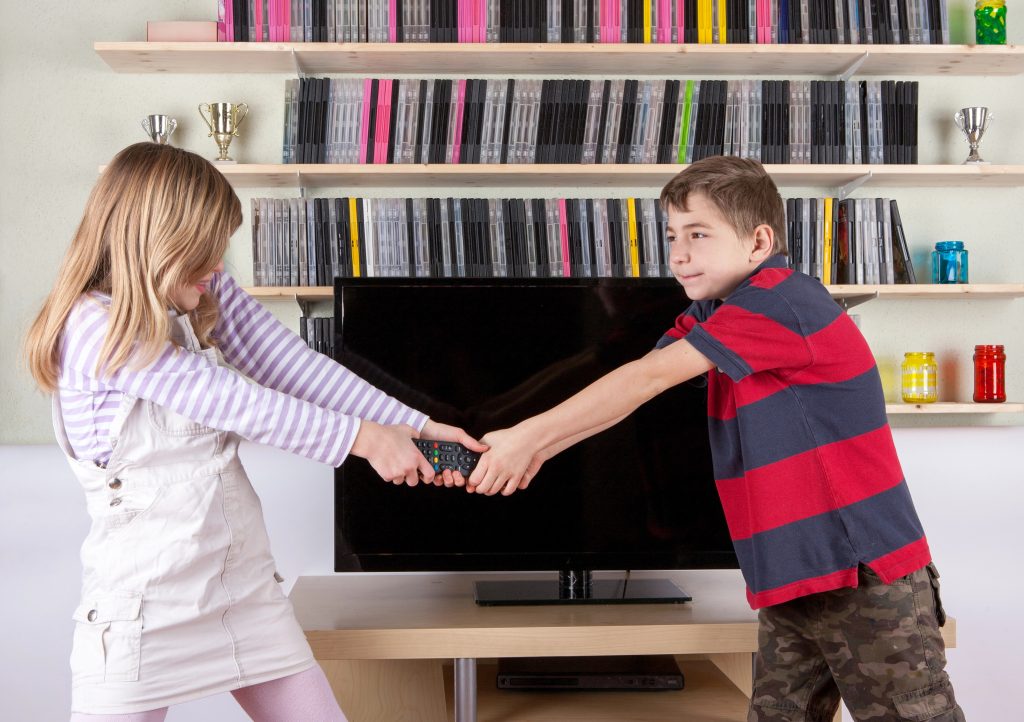
Before trying to resolve sibling rivalries, it’s best to understand it first — especially if you don’t have siblings.
Sibling rivalry is a tense form of competition between siblings. While some rivalries can be healthy, others can turn toxic. Rivalries can take the form of arguing, jealousy, teasing, competing, and more.
Unfortunately, kids tend to rival their siblings when they feel they don’t get enough attention (while their sibling does), go through a developmental leap, or have a personality that differs from their sibling’s.
Now, it should be noted that not all rivalries are bad. Eventually, sibling rivalries bring duos together or make them better in certain areas (like sports) through friendly competition.
After watching the highs and lows of your kids’ interactions, keep a note of where the rivalry reactions may be coming from. Finding out the origin could make the journey more peaceful.
Lovingly Comparing Sibling Achievements
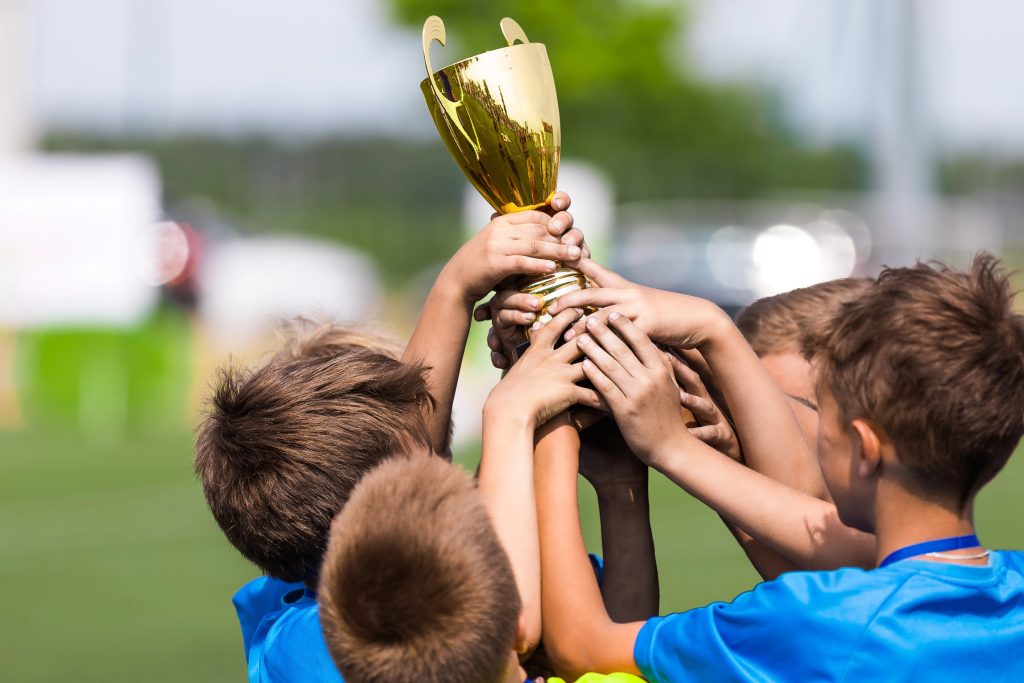
Some parents may think it would be inspiring to showcase one child’s achievements to the other, hoping that their sibling would want to follow a similar path of excellence, regardless of talent. But many times, a parent’s message misses the mark.
Saying things like “Why can’t you be like your sister” or “Well, your brother aced his math test…” could add unnecessary pressure to the other sibling. Even when done in an upbeat and encouraging way, a child can still see comparing achievements as favoritism.
Experts at the American Psychological Association found that parental favoritism during childhood is a major wedge in sibling rivalries that persist into adulthood. It’s hard, but remember that each child is an individual and their accomplishments should be celebrated, but not compared.
What the Experts Say: “Older adults who reported more sibling conflict and parental favoritism in adulthood were more likely to experience symptoms of depression, anxiety, hostility, and loneliness.”
An Example Of Discipline
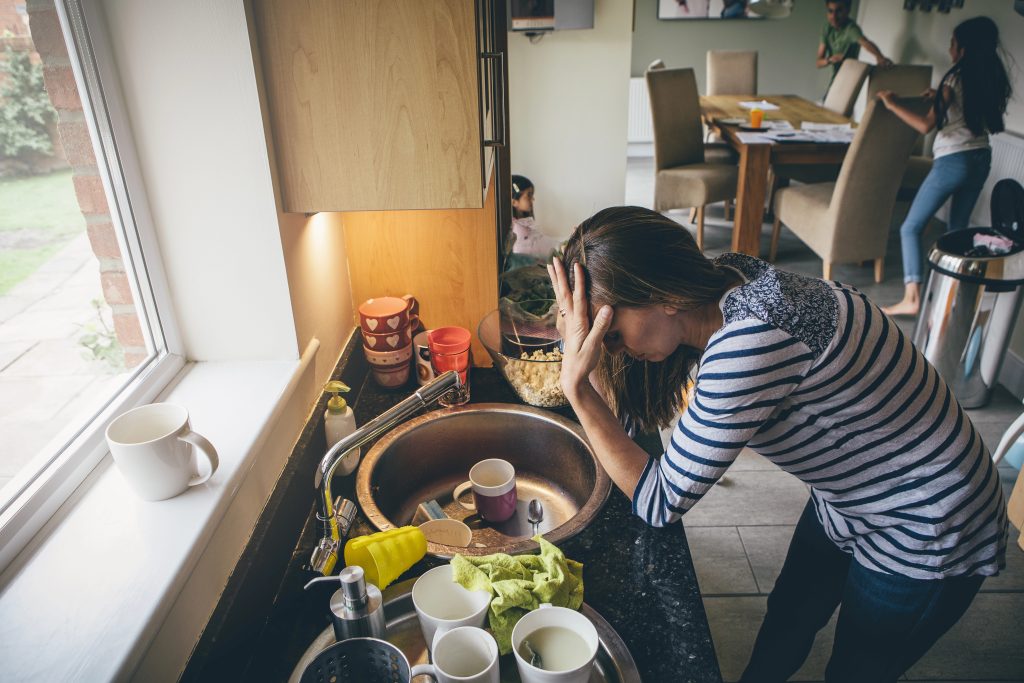
Experts remind parents that when disciplining their child, it’s imperative that they don’t compare their child’s troubles to those of their siblings. For example, saying “Your sister would never act this way” can drive a wedge between siblings. Your child who’s being disciplined will develop resentment toward their sibling, and the sibling will have the “good child” status.
One will never feel good enough, while the other doesn’t understand why there’s a block in the relationship. Confidence will be shattered, and embarrassment can grow. Even more important, disciplining with the example of the other sister doesn’t actually teach the correct behavior.
Professor Alex Jensen did a study for the Journal of Family Psychology and found that parents who primarily compare older and younger siblings eventually struggle with rivalries between their kids, especially when disciplining.
What the Experts Say: “It’s hard for parents to not notice or think about differences between their children; it’s only natural … But to help all children succeed, parents should focus on recognizing the strengths of each of their children and be careful about vocally making comparisons in front of them.”
Dismissing Arguments (Instead Of Resolving The Real Issue)
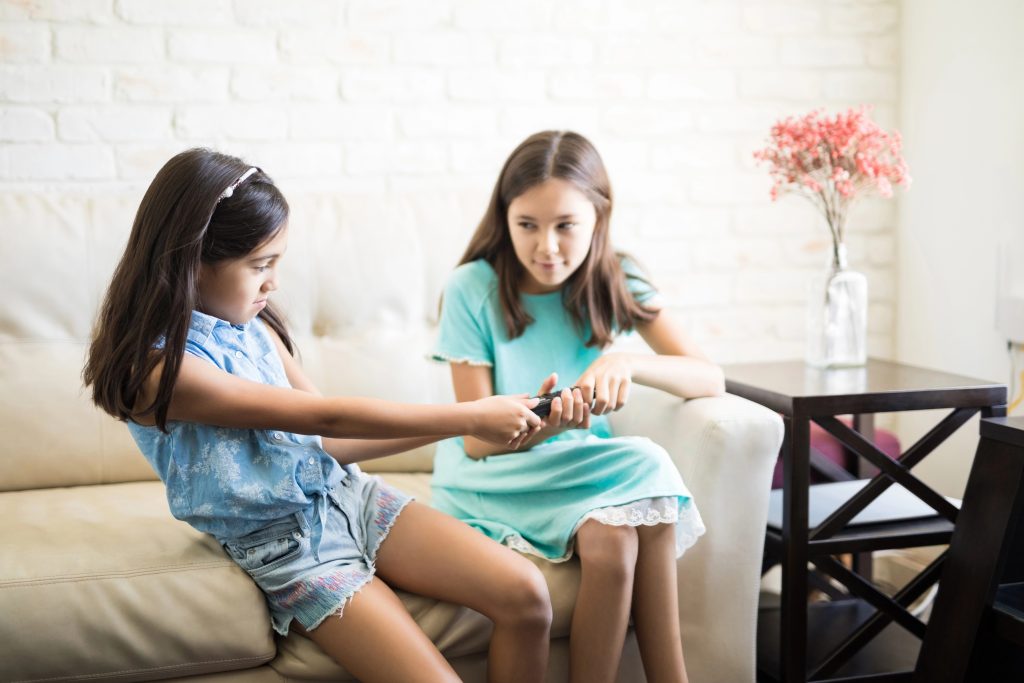
It’s easy to tell your kids to “stop fighting” or to “figure it out amongst yourselves” when they’re arguing over the ordinary. Most of the time, those reactions are from tired parents who are sick of hearing their kids argue over small things. However, dismissing arguments doesn’t resolve deeper issues. This means that small and large squalls could continue since there’s no resolution.
Dismissing conflict means your kids won’t have proper guidance to resolving an issue. Are they really upset over their sibling taking their toy, or is it something deeper?
Stephanie Hollington-Sawyer, from Dr. Gabor Maté, explained that parents should “pay attention to each child’s internal experience” rather than dismissing countless arguments between kids.
What the Experts Say: “The parent’s role is often to help a child find his sadness and tears over a situation that cannot be changed. Instead of reacting to behaviours or trying to jolly a child out of feelings of sadness or anger or even hatred, the parent comes alongside and puts into words the emotions behind a child’s actions.”
Acknowledging Milestones Differently
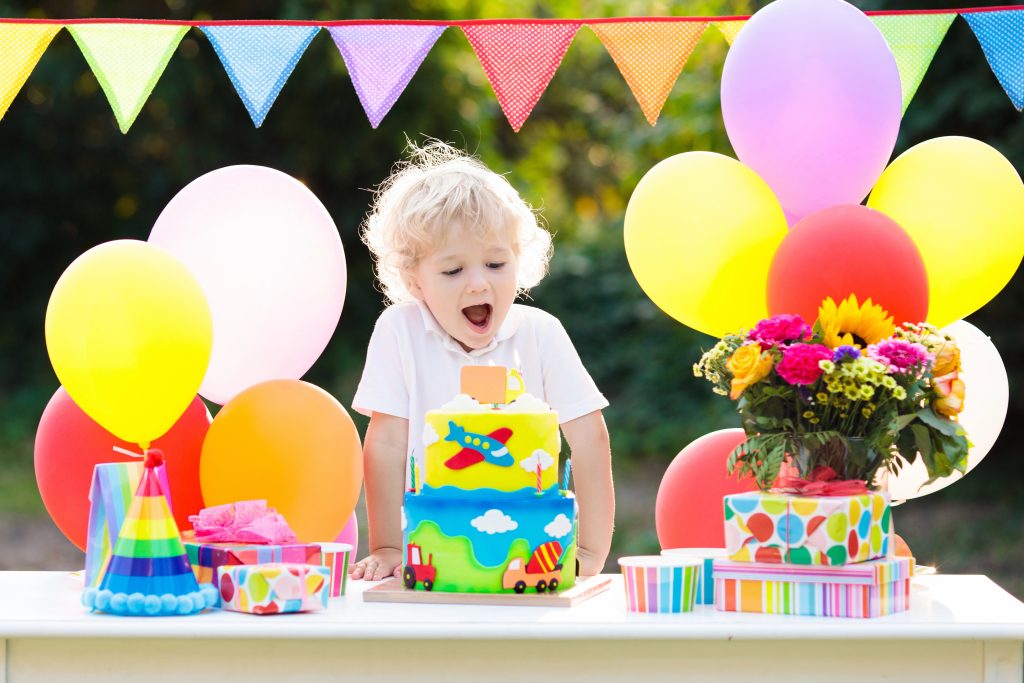
Acknowledging milestones differently may not seem like a big deal to some parents, but it’s always a significant matter (even subconsciously) for kids. As an example, you may have thrown a big 13th birthday party for your eldest, but by the time your youngest turned 13, it wasn’t viewed as a large moment because you’ve already lived through that parenting moment.
To the child, however, it may seem like mom or dad is picking favorites, loving them less, or not seeing their milestone as worthy. Celebrating differently could be damaging for a child.
Now, this isn’t to say that every milestone party needs to be an extravaganza. After all, finances and schedules change drastically as kids age. However, communication needs to be open about mutual expectations.
Experts at The Motherhood Center explained that what matters most is that milestones are celebrated. The size and theme of celebrations will change, but the attention to detail and love should be duplicated.
What the Experts Say: “By actively participating in their successes, parents demonstrate their unwavering support and reinforce the idea that each child is valued for their unique contributions, fostering a positive and affirming environment within the family.”
Forcing Siblings To Share
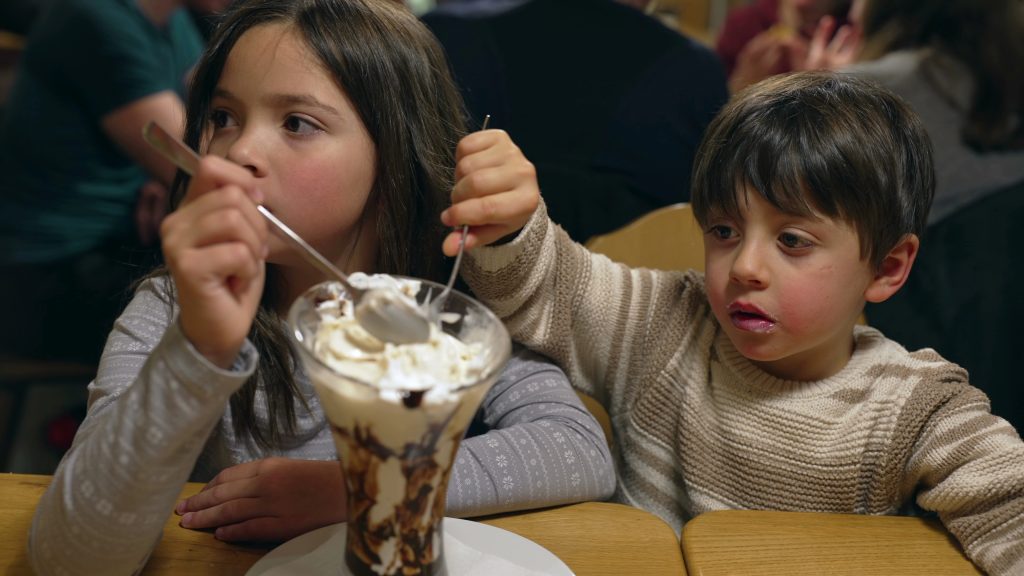
Forcing or encouraging your children to share is wildly common. You take the “let them figure it out” approach and remind them that sharing is kind. Forcing siblings to share, however, doesn’t teach genuine sharing. It’s not something they’re doing out of generosity; they’re sharing out of fear or annoyance at their parents.
Clinical psychologist Dr. Laura Markham explains that true sharing is voluntary. Forcing your children to share, it negates the bigger issue among siblings. Resentment can build, jealousy can erupt, and kindness fades.
She instead enforces self-regulated returns, meaning a child can share their item whenever they’re done playing with it. This will lead to voluntary sharing.
What the Experts Say: “Children become more generous by having the experience of giving to others and learning how good that feels.[i] There is a catch, though. … If we force children to share, they walk away resentful, not feeling generous. Not surprisingly, they’re less likely to share after that.”
Taking Sides In Sibling Rivalries
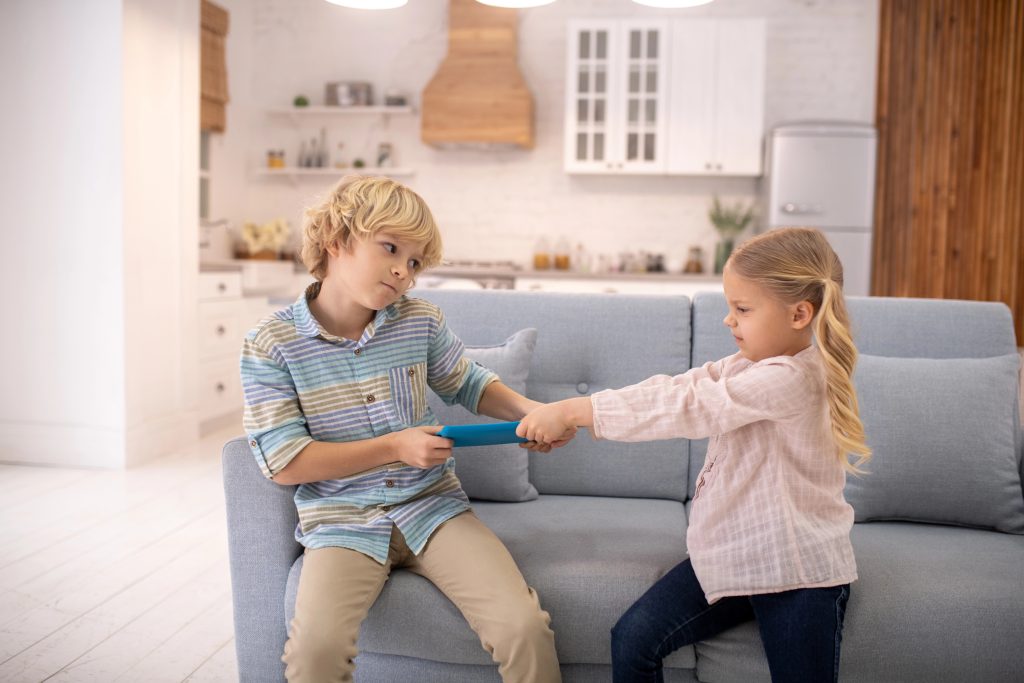
Taking sides during arguments between siblings isn’t the way to earn love or respect from your kids. Instead, kids can feel less loved.
You may think choosing a side makes sense, like when one is being unnecessarily rude to the other, but the behavior can foster unhealthy competition and prevent problem-solving skills.
Children may eventually feel emotionally insecure with their parents, which could have lifelong implications. To encourage your children’s growth and resolve any issues troubling them (which could reduce rivalries), it’s best to give each child some one-on-one attention.
Experts at Cornell University talked in depth about sibling rivalry, and how it’s not necessarily a “bad thing,” but parents need to “intercede in the quarrel without choosing sides.”
What the Experts Say: “Spend some time each day, even just 10 minutes, alone with each child. If your children can count on having some time alone with you each day, they may be less competitive at other times with other members of the family.”
Giving Time-Outs During Sibling Arguments
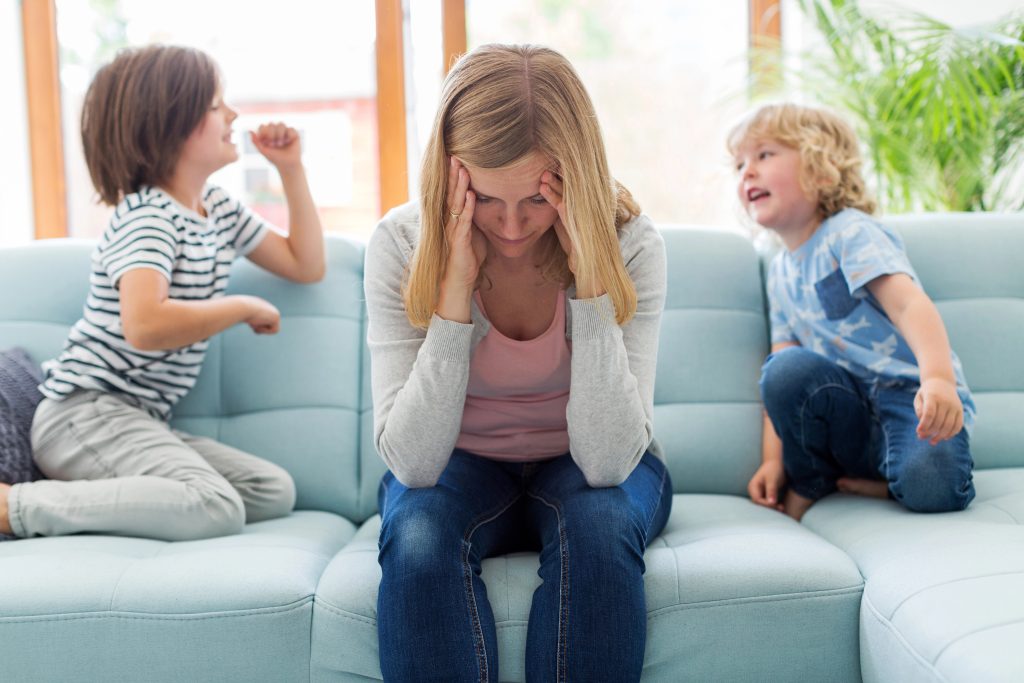
Those who give time-outs to their children when they’re naughty are bound to give a time-out to a child who’s been mean or aggressive to their sibling. However, experts advise against parents giving the naughty child a time-out during an argument with their sibling.
Dr. Laura Markham explained that time-outs create a “victim and a perpetrator mentality.” The child in time-out will feel like you’re never on their side, while the other will grow up feeling like a victim. The “victim” child could also grow up feeling invincible because their eldest sibling is always getting into trouble.
When siblings are quarreling, it’s best to avoid singling out one child. Separate the kids, let them cool off, and then address the root of the problem with each child.
What the Experts Say: “…It creates a victim and a perpetrator mentality. And when one child feels protected and receives extra attention from their parents when a toy gets taken from them, it actually gives them a vested interest in making their sibling the bad guy.”
Letting Them Duke It Out

There are days when the bickering among kids can be overwhelming for parents. They’re unsure of what the next natural step is, and they don’t want to ruin their childrens’ upbringing. Some will say, “I’ll just let them figure it out” and stay out of it. Parents assume that the kids will come to a clear understanding of each other’s needs on their own. However, the youngest typically feels threatened and unprotected.
The youngest will often give in to the more powerful, older child because they can’t defend themselves physically or cognitively. At the end of the day, both kids feel misunderstood and need their parents’ help to feel safe.
Experts at the Peaceful Parent Institute encourage parents to get involved instead of letting their kids duke it out. Kids need help learning how to manage conflict and work through emotions.
What the Experts Say: “When the adult intervenes in a way that reduces the stress for the children, this makes it much easier for them to work through these situations in ways that bring in problem-solving, clear reasoning and even consideration for the other.”
Not Realizing Society Could Play A Part
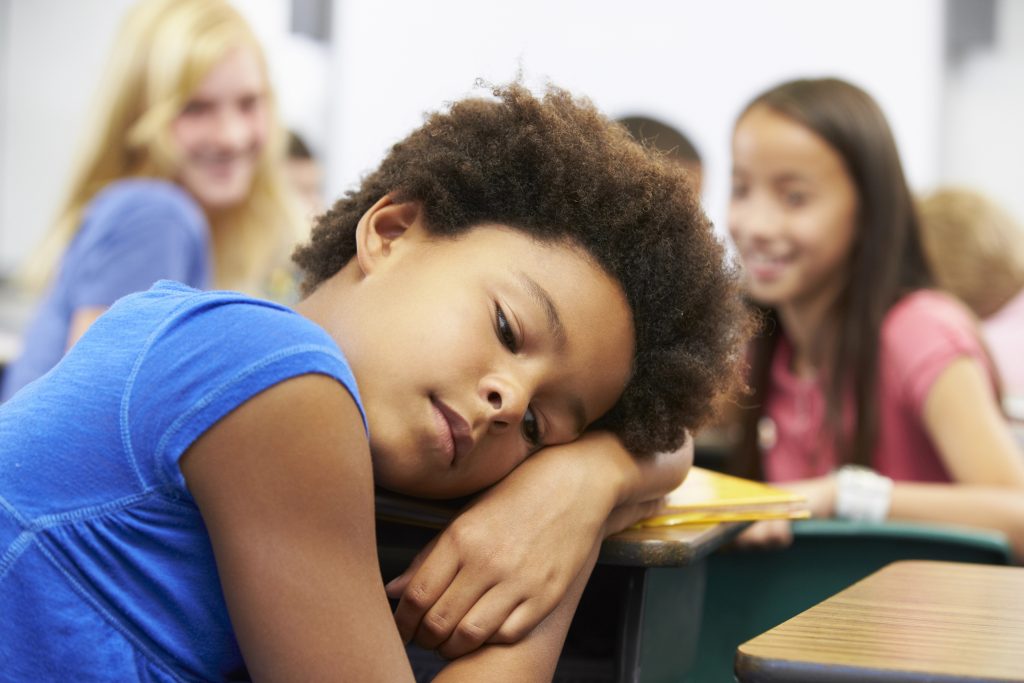
Sometimes the issues between siblings aren’t related to sharing or differences of opinion. Societal factors can also play a large part in sibling rivalries.
Depending on age, those at Mind Talk explained that environmental factors, such as “social influences” from friends or school, can play a significant role in a child’s personality, achievements, and behavior.
As parents, when we see our kids continue to struggle with sibling rivalry, we must look beyond the home and talk to them about peer pressure and societal expectations.
What the Experts Say: “Social expectations regarding achievements and success often add pressure to one sibling over the other, leading to resentment. Peer influences may also play a role in shifting perceptions on one’s own personality and their sibling.”
Encouraging Independent Play Instead Of Teamwork
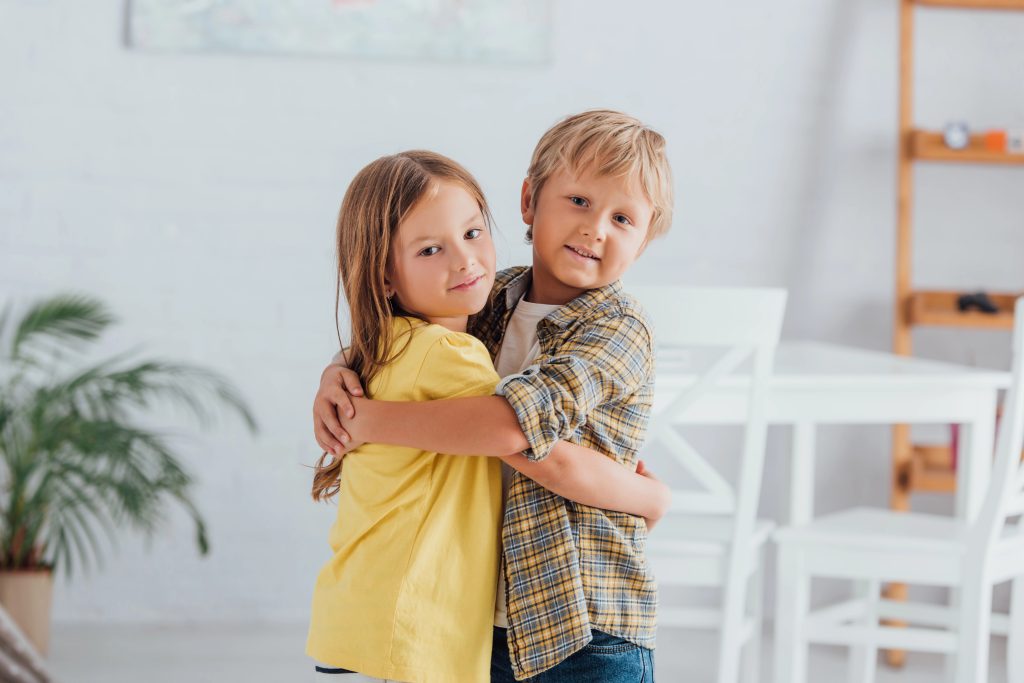
It’s understandable why some parents would encourage their children to play independently rather than engage in teamwork, especially after repeated bouts of sibling frustration. Sometimes, however, it’s better to encourage collaborations. instead of continuous independent play.
Mind Talk explores the beautiful bond between siblings who work well together. Having a common goal can bring siblings together rather than ignoring one another in pursuit of personal interests.
While rivalries are tricky, encourage your kids to do things together; to get through the hard times as a unit.
What the Experts Say: “Parents must thus ensure siblings have common interests and take part in shared activities to avoid competition and instead create collaboration. Shared experiences create lasting memories that cultivate a positive foundation for sibling relationships.”