
Tiny Creatures - Louisiana (S1E5)
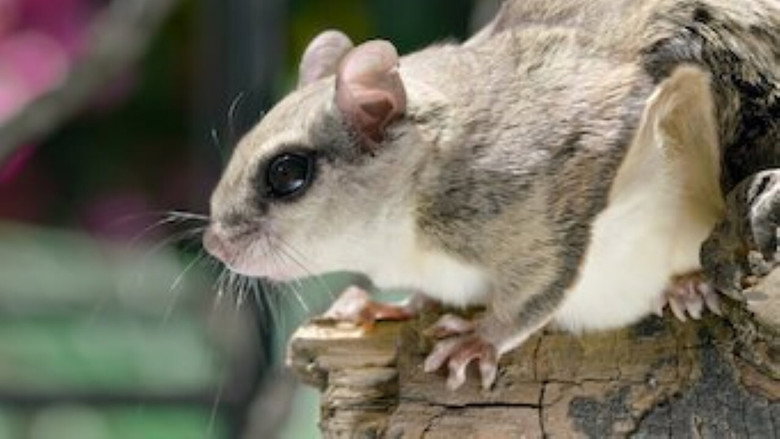
Keen eyesight and a playful nature lead the way when a special squirrel explores a suburban home, the least likely place to meet his surprising match.
| Runtime (min) | 26 |
|---|---|
| TMDB Rating | 5.0 (2 votes) |
| Air Date | 2020-08-07 |
| Genres | Documentary |
| TV Rating | TV-PG |
| Network(s) | Netflix |
Storyline
In this episode set in Louisiana, the cameras follow a fox squirrel as it navigates a suburban neighborhood in search of food and shelter. The squirrel's keen eyesight and curious personality drive it to explore an occupied home, where it discovers an unexpected indoor environment filled with both opportunities and obstacles. The episode captures the squirrel's acrobatic movements and problem-solving abilities as it investigates this unfamiliar territory.
The squirrel's playful nature leads to an encounter with a surprising match inside the home—a domestic cat. The episode documents the dynamic between these two animals as they size each other up, showcasing the squirrel's agility and the cat's hunting instincts. Through close-up cinematography, viewers witness how the squirrel uses its sharp vision and quick reflexes to navigate this unexpected meeting, ultimately finding its way back to the safety of the outdoors.
What parents say
Parents have praised the Tiny Creatures series for its stunning macro cinematography and its ability to hold the attention of young children while teaching them about wildlife. Many parents appreciate that the show presents animals in their natural behaviors without anthropomorphizing them, allowing kids to learn authentic facts about creature habits and survival strategies.
Some parents note that the series occasionally includes moments of natural predator-prey tension that might concern very sensitive viewers, though the show avoids graphic content. Parents have commented that the narrator's gentle tone and the relatively short runtime make the episodes accessible for preschool and early elementary-aged children. Several parents mention using the series as a springboard for conversations about respecting wildlife and understanding animal behavior, particularly when wild animals venture into human spaces.
What kids learn
Children learn about the adaptability of wild animals, particularly how squirrels use their exceptional eyesight to assess their surroundings and find food sources. The episode demonstrates how a squirrel's vision helps it judge distances for jumping, spot potential dangers, and locate nuts and other resources. Kids observe the physical capabilities that make squirrels successful urban wildlife, including their climbing skills, balance, and quick decision-making.
The episode also teaches children about the boundaries between wild and domestic animals. By watching the interaction between the squirrel and the house cat, kids learn that wild animals can accidentally enter human homes and that these encounters require caution from both species. The squirrel's playful yet cautious approach models how wild creatures assess new situations before acting.
Additionally, children gain an understanding of suburban ecosystems and how wildlife adapts to living near humans. The episode shows that animals like squirrels have learned to thrive in neighborhoods by finding food, shelter, and pathways through human-modified landscapes, helping kids appreciate the wildlife that shares their own communities.
Parents' top 5 questions
| Question | Answer |
|---|---|
| Is the encounter between the squirrel and cat frightening for young children? | The episode presents the encounter as a cautious meeting rather than a violent confrontation. Both animals display natural curiosity and wariness, with the squirrel using its agility to stay safe. The cinematography focuses on observation rather than conflict, and the gentle narration helps contextualize the interaction as a natural part of how wild and domestic animals assess each other. Most children find it interesting rather than scary. |
| What should I tell my child about wild animals coming into our home? | Use this episode to explain that wild animals sometimes accidentally enter homes while searching for food or shelter, and that we should never try to touch or corner them. Emphasize that wild animals need space to find their way back outside safely, and that an adult should always handle the situation. This is a good opportunity to discuss the difference between wild animals and pets, and why we respect wildlife from a distance. |
| Does the episode show any animals getting hurt? | No, the episode does not depict any animals being injured. The squirrel successfully navigates the indoor environment and the encounter with the cat without harm. The focus remains on the squirrel's abilities and natural behaviors rather than on danger or violence. The episode concludes with the squirrel safely returning outdoors, providing reassurance that the animal is unharmed by its suburban adventure. |
| What makes fox squirrels different from other squirrels? | The episode highlights that fox squirrels are larger than many other squirrel species and are commonly found in the southeastern United States, including Louisiana. Children can observe the squirrel's distinctive coloring and size through the close-up footage. The episode demonstrates how fox squirrels have adapted particularly well to suburban environments, using their intelligence and physical skills to thrive near human homes while maintaining their wild nature. |
| How can we encourage our child's interest in backyard wildlife after watching? | This episode provides a perfect starting point for backyard observation activities. Consider setting up a simple bird feeder or leaving out nuts for squirrels in a safe outdoor spot where your child can watch from a window. Encourage your child to draw or photograph the animals they see, and help them identify different species using a field guide. Emphasize watching quietly and respectfully from a distance to see natural behaviors. |
Writing
Directing
| Season # | Episode # | Episode Name |
|---|---|---|
| 1 | 1 | In Arizona, critters brave a harsh frontier, and a young kangaroo rat must be nimble to dodge a rattlesnake, a Gila monster — and a dirt bike. |
| 1 | 2 | While housemates are away, a pampered golden hamster will play. Will he slow his roll when he lands on the streets of NYC and finds true adventure? |
| 1 | 3 | A burrowing owl evades caddies at a golf course before a ferret forces him far from the fairway. He'll have to outfox his opponents to get home. |
| 1 | 4 | In a hostile Texas landscape, a ranch offers fast food to an agile mother mouse. But she must be clever to avoid turning into a barn owl's dinner. |
| 1 | 5 | Keen eyesight and a playful nature lead the way when a special squirrel explores a suburban home, the least likely place to meet his surprising match. |
| 1 | 6 | Intellect meets agility in the Florida Everglades as a high-stakes game of raven vs. rat goes down in a fishing hut. Can these foes ever be friends? |
| 1 | 7 | Rescued from the trash and ready to roam, a newly hatched lucky duckling tours her new habitat: a boy's bedroom. But her sanctuary teems with danger. |
| 1 | 8 | As night falls, a shy striped skunk prowls for grub till a roving rodent opens up her world. When confronted by a hawk, will she spray or will she go? |
This product uses the TMDB API but is not endorsed or certified by TMDB.