
Jane
Synopsis:
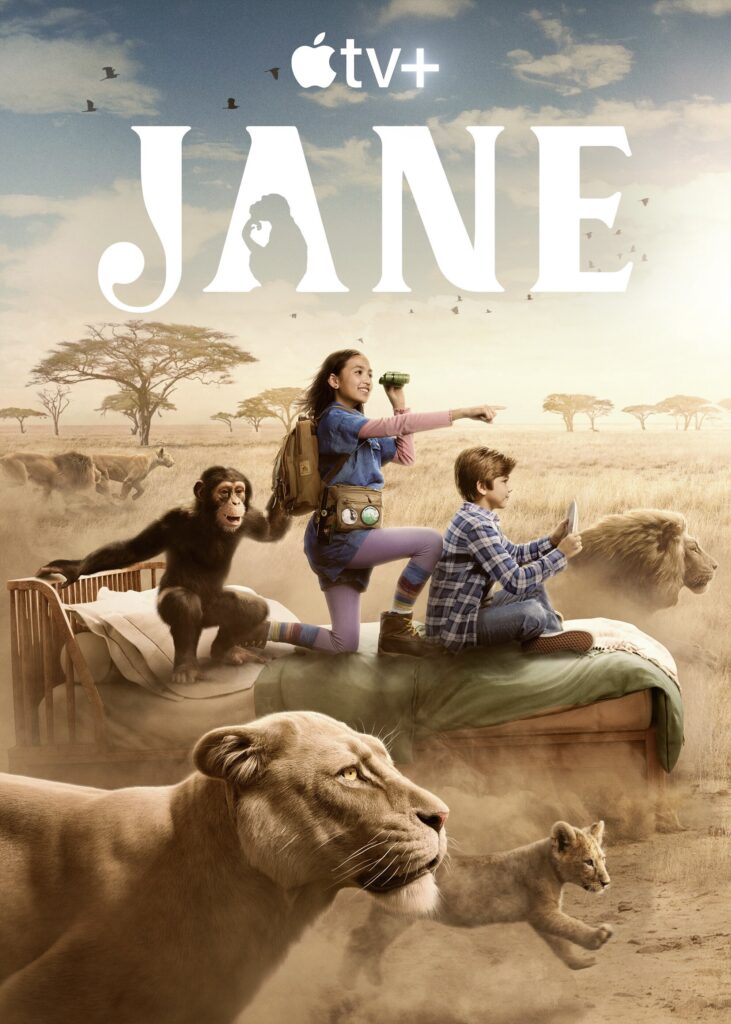
Budding environmentalist Jane is a nine-year-old girl on a mission to save endangered animals around the world. Using her powerful imagination, she embarks on epic adventures alongside her best friends David and Greybeard the chimpanzee to help protect wild animals in need. Based on the mission of renowned primatologist Jane Goodall, this animated series follows young Jane Garcia as she explores different habitats and learns about conservation efforts to preserve wildlife. Through her imaginative journeys, Jane discovers the importance of protecting endangered species and their natural environments. The show combines adventure and education, introducing young viewers to environmental themes and the work of the Jane Goodall Institute. With her friends by her side, Jane demonstrates how curiosity, compassion, and creativity can make a difference in wildlife conservation.
Where To Watch: Jane
Jane Reviews From Parents
No written parent reviews yet — be the first!
Parental Feedback
Jane offers a gentle, imagination-driven approach to environmental education that unfolds at a calm, steady pace suitable for younger viewers. The tone is consistently lighthearted and optimistic, with each episode centered on problem-solving adventures that blend real-world conservation themes with fantastical elements. Parents can expect a show that prioritizes kindness and curiosity over conflict, with minimal intensity and a focus on inspiring wonder about the natural world rather than creating dramatic tension.
Why Kids Should Watch Jane
This animated series provides meaningful exposure to environmental awareness and wildlife conservation in an age-appropriate format.
The show introduces children to the concept of protecting endangered animals through the lens of a relatable 9-year-old protagonist, making conservation feel accessible and actionable. Jane's adventures demonstrate that even young people can make a difference in the world around them.
The series is based on the mission of Jane Goodall, offering children a connection to real-world scientific work and environmental advocacy. This foundation in actual conservation efforts adds educational value beyond typical animated entertainment.
The emphasis on imagination as a tool for learning and problem-solving encourages creative thinking in young viewers. Jane's ability to envision solutions and embark on epic adventures models how curiosity and creativity can be applied to real challenges.
The show promotes friendship and teamwork through Jane's relationships with her best friends David and Greybeard the chimpanzee. These dynamics demonstrate collaboration and mutual support in pursuing shared goals.
Why Kids Shouldn't Watch Jane
While the series has many strengths, there are some considerations parents should weigh before viewing.
The show's focus on endangered animals may introduce young children to the concept of species loss and environmental threats, which could be concerning or confusing for particularly sensitive viewers. Parents may need to be prepared to discuss these topics in age-appropriate ways.
The blend of imagination and reality in the storytelling might be difficult for some younger children to distinguish, potentially leading to questions about what is real versus fantastical. This narrative approach requires a certain level of cognitive development to fully appreciate.
With 20 episodes across three seasons, the series has concluded, meaning children who become invested may be disappointed that no new adventures are being produced. This finite nature may be a drawback for families seeking ongoing content.
Verdict: Parent Approved
Jane is a wholesome, educational choice that successfully combines environmental themes with imaginative storytelling in a format appropriate for young children.
What Parents Should Know About Jane
| Question | Answer |
|---|---|
| Does this TV Show model positive behavior that my child can understand and repeat? | Yes, Jane demonstrates curiosity, environmental stewardship, and collaborative problem-solving that children can emulate in their own lives. |
| Does this TV Show include emotional moments my child might find confusing or intense? | The show maintains a gentle tone throughout, though discussions of endangered animals may prompt questions about why some species need protection. |
| Does this TV Show show consequences for unkind or unsafe behavior? | The series focuses primarily on positive actions and solutions rather than depicting negative behaviors and their consequences. |
| Does this TV Show reinforce helpful social skills like sharing, apologizing, or teamwork? | Yes, the friendship between Jane, David, and Greybeard consistently demonstrates cooperation and working together toward common goals. |
| Will my child come away with any clear moral or message? | Children will learn that protecting wildlife and the environment is important and that even young people can contribute to conservation efforts. |
The Overall Sentiment From Parental Feedback
Parents generally appreciate the show's educational approach to environmental topics and its connection to Jane Goodall's real conservation work. The TV-G rating reflects content that families find appropriate for young children, with many noting the show's gentle pacing and positive messaging. Some parents value the representation of a curious, science-minded female protagonist who models problem-solving and empathy. While the show's modest rating on review platforms suggests it may not have achieved widespread recognition, families who discover it often appreciate its wholesome approach to introducing conservation concepts. The animation style and storytelling are considered accessible for the target age group, though some parents note that older children may find the content too simplistic for sustained engagement.
Jane Official TV Show Trailer
Why Kids Love Jane
Jane takes young viewers on imaginative adventures where a determined 9-year-old leads missions to protect endangered animals around the world. With her best friends David and Greybeard the chimpanzee by her side, she uses her powerful imagination to transport the trio to wild habitats where animals need help.
The show celebrates teamwork as Jane and her companions work together to solve problems and save creatures in danger. Each quest puts Jane's environmental passion into action, showing kids how caring about wildlife can make a real difference.
Young audiences connect with Jane's brave spirit and smart thinking as she tackles challenges to protect animals. The adventures blend imaginative play with real conservation themes, inspired by the mission of Jane Goodall.
The series combines exploration, friendship, and helping those in need into engaging stories that resonate with children who love animals and nature. Jane's determination and creativity show kids that even young people can be heroes for the planet.
Episode Guide
| Season # | Episode # | Episode Name |
|---|---|---|
| 1 | 1 | Jane, David, and Greybeard track a polar bear in the Arctic Circle, inspiring Jane to convince her neighbor Mr. Jin to see trash differently. |
| 1 | 2 | While trying to tag a great white shark, Jane urges David's dad and Tata to rethink how they shop for groceries. |
| 1 | 3 | David shrinks Jane and Greybeard to honeybee size to explore a hive. But when a schoolmate threatens the bees, Jane swoops in. |
| 1 | 4 | The trio take off on a mission to aid the flying fox when Greybeard accidentally parachutes into a neighbor's yard. |
| 1 | 5 | Jane, David, and Greybeard try to sniff out why the gharial has a bulbed snout. A day at the pool points Jane toward an answer. |
| 1 | 6 | The three friends travel deep into the ocean to figure out why the blue whale sings, and Jane confronts a litterbug with a gifted voice. |
| 1 | 7 | A bug-sized Jane and Greybeard follow a monarch butterfly's journey to Mexico, leading Jane to seek assistance from Mr. Patel's green thumb. |
| 1 | 8 | Jane, David, and Greybeard monitor a black rhino and a red-billed oxpecker, whose relationship teaches them the value of teamwork. |
| 1 | 9 | Chasing a herd of caribou stirs up David's appetite. At lunch, David's grandpa tells a story about respect, responsibility, and sharing. |
| 1 | 10 | Jane and David stay up past their bedtime to track a tiger that prefers to come out at night, and they stumble upon something in the garden shed. |
| Season # | Episode # | Episode Name |
|---|---|---|
| 2 | 1 | Jane, David, and Greybeard must reunite a lost baby panda with its mother—and find out why they're the only bears with six fingers. |
| 2 | 2 | Tracking a wolf in the snowy mountains leads the trio to their neighbor's pug, who helps connect the dots between wolves, dogs, and people. |
| 2 | 3 | The three friends use their underground vessel to observe the elusive pink fairy armadillo, but a garden problem stops them in their tracks. |
| 2 | 4 | While exploring the Great Barrier Reef to determine if coral is a plant or an animal, the trio learn that looks can be deceiving. |
| 2 | 5 | With David sick in bed, Jane must partner with an unexpected ally to save Greybeard from a pride of lions. |
| Season # | Episode # | Episode Name |
|---|---|---|
| 3 | 1 | Jane, David, and Greybeard set off to find out why hippos give birth away from their pods, while trying to reunite a baby hippo with her mom. |
| 3 | 2 | The trio head underground to dig into wombat defense tactics. Jane wants the community BBQ menu to explore new options. |
| 3 | 3 | David joins Jane on a high-flying mission to chart an albatross' journey instead of helping his sister Millie. |
| 3 | 4 | Jane convinces her reluctant abuela to help get a baby elephant back to his family, where she uncovers why herds follow a matriarch. |
| 3 | 5 | Jane and Greybeard lose hope when they see how humans impact chimpanzees in the wild, but David and a special friend restore her faith. |