
Jane - Pan troglodytes (S3E5)
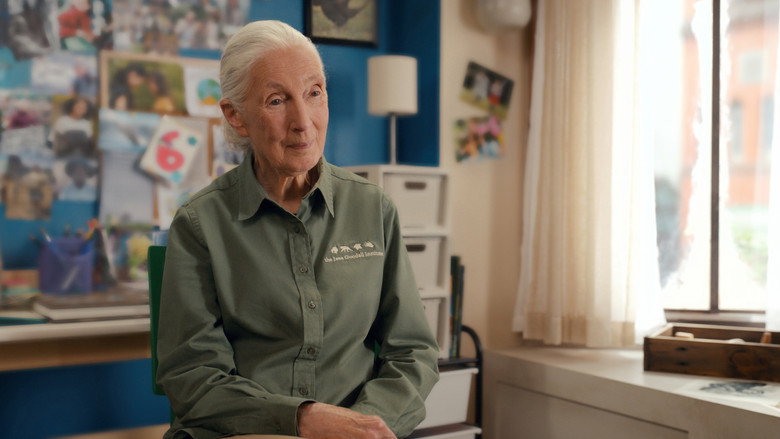
Jane and Greybeard lose hope when they see how humans impact chimpanzees in the wild, but David and a special friend restore her faith.
| Runtime (min) | 28 |
|---|---|
| Air Date | 2025-04-17 |
| Genres | Kids, Family, Animation |
| TV Rating | TV-G |
| Network(s) | Apple TV |
Storyline
In this episode, Jane and her beloved chimpanzee friend Greybeard witness the devastating effects of human activity on wild chimpanzee populations. As they observe habitat destruction and other human impacts on the forest, both Jane and Greybeard experience a crisis of hope about the future of chimpanzees in their natural environment. The episode explores the emotional toll of conservation work and the difficult realities facing endangered species.
When Jane's spirits are at their lowest, her friend David and another special companion help her rediscover her sense of purpose and optimism. Through their encouragement and perspective, Jane finds renewed faith in her mission to protect chimpanzees and their habitats. The episode balances its sobering look at environmental challenges with a message about resilience, friendship, and the importance of maintaining hope even when facing seemingly overwhelming obstacles.
What parents say
Parents have praised the "Jane" series for introducing young viewers to Dr. Jane Goodall's groundbreaking work with chimpanzees in an age-appropriate format. Many appreciate how the show balances scientific concepts with engaging storytelling that holds children's attention while teaching them about wildlife conservation and environmental stewardship.
Some parents note that episodes dealing with environmental threats can prompt important but sometimes difficult conversations with children about habitat loss and human impact on nature. Parents recommend being prepared to answer questions about why humans sometimes harm animal habitats and what families can do to help. Several parents have mentioned that the show's hopeful tone helps prevent younger viewers from becoming overly anxious about these serious topics.
Parents consistently highlight the show's positive representation of a female scientist and the emphasis on compassion, curiosity, and perseverance as valuable qualities for children to observe and emulate.
What kids learn
Children learn about the real-world challenges facing endangered species and their habitats through Jane's firsthand observations. The episode introduces the concept that human activities can have serious consequences for wildlife, helping young viewers understand the connection between human choices and environmental health. This awareness forms an important foundation for developing environmental consciousness and responsibility.
The episode also teaches children about resilience and the importance of not giving up when facing difficult situations. By showing Jane's journey from despair to renewed hope, children see that feeling discouraged is natural, but that support from friends and maintaining perspective can help restore determination. This models healthy emotional processing and the value of community during challenging times.
Additionally, children learn that making a positive difference often requires sustained effort and faith, even when progress seems slow or obstacles appear insurmountable. The episode demonstrates that conservation work involves both celebrating successes and confronting setbacks, teaching children that meaningful change requires patience, persistence, and the courage to keep working toward important goals.
Parents' top 5 questions
| Question | Answer |
|---|---|
| How should I explain habitat destruction to my child without causing anxiety? | Focus on age-appropriate explanations that acknowledge the problem while emphasizing solutions. Explain that when people cut down too many trees or build in animal homes, it makes it hard for animals to live, but many people like Jane are working to protect these places. Follow your child's lead on how much detail they want, and always pair the problem with concrete actions your family can take, like recycling or supporting conservation organizations, to help children feel empowered rather than helpless. |
| Is this episode too sad for younger children? | The episode does address serious themes about human impact on wildlife, but it balances these concerns with a hopeful resolution. Jane's journey from discouragement to renewed faith provides an emotional arc that prevents the episode from feeling overwhelmingly negative. For sensitive children, you might preview the content and be ready to pause for reassurance, emphasizing that people are working hard to help animals and that small actions make a difference. The episode's ultimate message is one of hope and perseverance. |
| What can I tell my child about why humans harm animal habitats? | Explain that most people don't intend to hurt animals, but sometimes need space for homes, farms, or roads without realizing the impact on wildlife. Help your child understand that as more people learn about how important wild spaces are for animals, they're making better choices to protect them. Emphasize that this is why scientists like Jane work to teach others and why conservation efforts matter. This framing helps children understand the complexity without villainizing people or oversimplifying the issue. |
| How does this episode show the importance of friendship and support? | The episode demonstrates that even dedicated conservationists like Jane experience moments of doubt and discouragement, and that friends play a crucial role in helping restore hope and perspective. David and Jane's special friend provide emotional support that allows her to continue her important work. This teaches children that asking for help and accepting support from others is a strength, not a weakness, and that we all need encouragement when facing difficult challenges, no matter how capable we are. |
| What actions can our family take after watching this episode? | Use the episode as a springboard for age-appropriate conservation activities. You might research local wildlife habitats to visit, participate in a park cleanup, reduce household waste, or support organizations that protect endangered species. Consider reading more about Jane Goodall's work together or watching documentaries about chimpanzees. Even small actions like choosing sustainable products or creating a wildlife-friendly garden help children feel they're contributing to solutions. The key is making the connection between the episode's themes and tangible, positive steps your family can take together. |
Writing
Directing
| Season # | Episode # | Episode Name |
|---|---|---|
| 1 | 1 | Jane, David, and Greybeard track a polar bear in the Arctic Circle, inspiring Jane to convince her neighbor Mr. Jin to see trash differently. |
| 1 | 2 | While trying to tag a great white shark, Jane urges David's dad and Tata to rethink how they shop for groceries. |
| 1 | 3 | David shrinks Jane and Greybeard to honeybee size to explore a hive. But when a schoolmate threatens the bees, Jane swoops in. |
| 1 | 4 | The trio take off on a mission to aid the flying fox when Greybeard accidentally parachutes into a neighbor's yard. |
| 1 | 5 | Jane, David, and Greybeard try to sniff out why the gharial has a bulbed snout. A day at the pool points Jane toward an answer. |
| 1 | 6 | The three friends travel deep into the ocean to figure out why the blue whale sings, and Jane confronts a litterbug with a gifted voice. |
| 1 | 7 | A bug-sized Jane and Greybeard follow a monarch butterfly's journey to Mexico, leading Jane to seek assistance from Mr. Patel's green thumb. |
| 1 | 8 | Jane, David, and Greybeard monitor a black rhino and a red-billed oxpecker, whose relationship teaches them the value of teamwork. |
| 1 | 9 | Chasing a herd of caribou stirs up David's appetite. At lunch, David's grandpa tells a story about respect, responsibility, and sharing. |
| 1 | 10 | Jane and David stay up past their bedtime to track a tiger that prefers to come out at night, and they stumble upon something in the garden shed. |
| Season # | Episode # | Episode Name |
|---|---|---|
| 2 | 1 | Jane, David, and Greybeard must reunite a lost baby panda with its mother—and find out why they're the only bears with six fingers. |
| 2 | 2 | Tracking a wolf in the snowy mountains leads the trio to their neighbor's pug, who helps connect the dots between wolves, dogs, and people. |
| 2 | 3 | The three friends use their underground vessel to observe the elusive pink fairy armadillo, but a garden problem stops them in their tracks. |
| 2 | 4 | While exploring the Great Barrier Reef to determine if coral is a plant or an animal, the trio learn that looks can be deceiving. |
| 2 | 5 | With David sick in bed, Jane must partner with an unexpected ally to save Greybeard from a pride of lions. |
| Season # | Episode # | Episode Name |
|---|---|---|
| 3 | 1 | Jane, David, and Greybeard set off to find out why hippos give birth away from their pods, while trying to reunite a baby hippo with her mom. |
| 3 | 2 | The trio head underground to dig into wombat defense tactics. Jane wants the community BBQ menu to explore new options. |
| 3 | 3 | David joins Jane on a high-flying mission to chart an albatross' journey instead of helping his sister Millie. |
| 3 | 4 | Jane convinces her reluctant abuela to help get a baby elephant back to his family, where she uncovers why herds follow a matriarch. |
| 3 | 5 | Jane and Greybeard lose hope when they see how humans impact chimpanzees in the wild, but David and a special friend restore her faith. |
This product uses the TMDB API but is not endorsed or certified by TMDB.