
Jane - Anthozoa (S2E4)
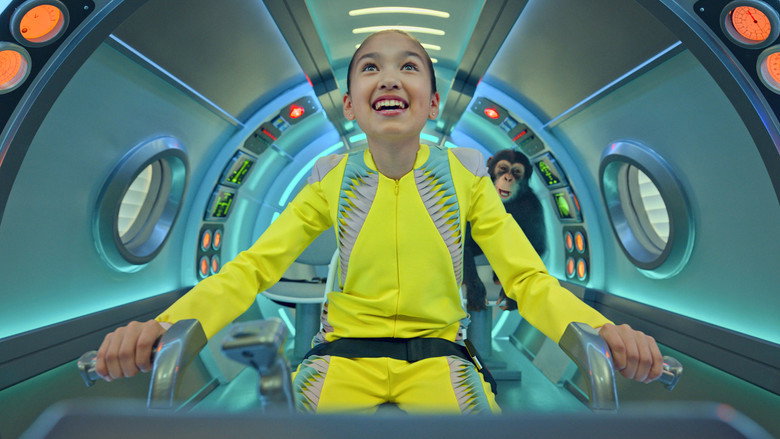
While exploring the Great Barrier Reef to determine if coral is a plant or an animal, the trio learn that looks can be deceiving.
| Runtime (min) | 20 |
|---|---|
| TMDB Rating | 10.0 (1 votes) |
| Air Date | 2024-04-18 |
| Genres | Kids, Family, Animation |
| TV Rating | TV-G |
| Network(s) | Apple TV |
Storyline
Jane, David, and Greybeard travel to the Great Barrier Reef on a mission to answer a fundamental question: is coral a plant or an animal? The trio dives into the vibrant underwater ecosystem, observing the colorful coral formations up close and examining their characteristics. As they explore, they discover that coral exhibits traits of both kingdoms, leading to confusion and debate among the team.
Through careful observation and scientific investigation, the friends learn that coral is actually an animal—specifically, a colony of tiny creatures called polyps that build calcium carbonate structures. The episode emphasizes that appearances can be misleading in nature, as the stationary, plant-like coral is revealed to be a living animal that feeds, reproduces, and interacts with its environment. The adventure showcases the biodiversity of the reef and highlights the importance of understanding the true nature of organisms rather than relying on superficial observations.
What kids learn
Children learn the importance of scientific observation and questioning assumptions based on appearances. The episode demonstrates that understanding the natural world requires careful investigation rather than jumping to conclusions based on how something looks. By following Jane and her friends through their process of discovery, young viewers see how asking questions, gathering evidence, and analyzing characteristics leads to accurate knowledge.
The episode introduces fundamental biological concepts, including the classification of living things and the distinction between plants and animals. Kids discover that coral polyps are animals that feed on plankton, have specialized cells for capturing prey, and form symbiotic relationships with algae. This teaches children about the complexity of ecosystems and how different organisms interact and depend on one another.
The Great Barrier Reef setting also provides an opportunity for children to learn about marine biodiversity and the importance of coral reef ecosystems. The episode fosters curiosity about ocean life and encourages respect for underwater habitats, planting seeds for environmental awareness and conservation thinking.
Parents' top 5 questions
| Question | Answer |
|---|---|
| Is the scientific information about coral accurate for young children? | Yes, the episode presents age-appropriate and scientifically accurate information about coral as animal colonies. It correctly identifies coral polyps as the living animals that build reef structures and explains their basic characteristics in terms elementary-aged children can understand. The show simplifies complex biology without misrepresenting the facts, making it a reliable educational resource for introducing marine biology concepts. |
| Will my child understand the difference between plants and animals after watching? | The episode uses coral as a compelling example to illustrate that classification requires looking beyond appearance. Children learn that animals can be stationary and colorful like plants, but are distinguished by characteristics such as feeding behavior and cellular structure. The hands-on investigation approach helps solidify these concepts, though parents may want to discuss additional examples afterward to reinforce the learning. |
| Are there any scary underwater scenes that might frighten younger viewers? | The Great Barrier Reef scenes focus on the beauty and wonder of the coral ecosystem rather than potential dangers. The animation style is bright and inviting, presenting the underwater world as a place of discovery. There are no threatening sea creatures or perilous situations depicted that would typically frighten preschool or early elementary-aged children watching the show. |
| How can I reinforce what my child learns about coral reefs? | After watching, parents can look at photographs or videos of real coral reefs together, visit an aquarium with coral exhibits if available, or explore age-appropriate books about ocean ecosystems. Discussing how coral reefs support thousands of species and why they need protection can extend the episode's lessons. Simple activities like drawing coral or researching other animals that look like plants can deepen understanding. |
| Does this episode mention environmental threats to coral reefs? | The episode focuses primarily on the scientific question of coral classification and the wonder of reef ecosystems. While it emphasizes the importance and complexity of coral as living animals, it does not delve into climate change, bleaching, or other environmental threats in detail. Parents interested in discussing conservation can use the episode as a starting point for age-appropriate conversations about protecting ocean habitats. |
Writing
Directing
| Season # | Episode # | Episode Name |
|---|---|---|
| 1 | 1 | Jane, David, and Greybeard track a polar bear in the Arctic Circle, inspiring Jane to convince her neighbor Mr. Jin to see trash differently. |
| 1 | 2 | While trying to tag a great white shark, Jane urges David's dad and Tata to rethink how they shop for groceries. |
| 1 | 3 | David shrinks Jane and Greybeard to honeybee size to explore a hive. But when a schoolmate threatens the bees, Jane swoops in. |
| 1 | 4 | The trio take off on a mission to aid the flying fox when Greybeard accidentally parachutes into a neighbor's yard. |
| 1 | 5 | Jane, David, and Greybeard try to sniff out why the gharial has a bulbed snout. A day at the pool points Jane toward an answer. |
| 1 | 6 | The three friends travel deep into the ocean to figure out why the blue whale sings, and Jane confronts a litterbug with a gifted voice. |
| 1 | 7 | A bug-sized Jane and Greybeard follow a monarch butterfly's journey to Mexico, leading Jane to seek assistance from Mr. Patel's green thumb. |
| 1 | 8 | Jane, David, and Greybeard monitor a black rhino and a red-billed oxpecker, whose relationship teaches them the value of teamwork. |
| 1 | 9 | Chasing a herd of caribou stirs up David's appetite. At lunch, David's grandpa tells a story about respect, responsibility, and sharing. |
| 1 | 10 | Jane and David stay up past their bedtime to track a tiger that prefers to come out at night, and they stumble upon something in the garden shed. |
| Season # | Episode # | Episode Name |
|---|---|---|
| 2 | 1 | Jane, David, and Greybeard must reunite a lost baby panda with its mother—and find out why they're the only bears with six fingers. |
| 2 | 2 | Tracking a wolf in the snowy mountains leads the trio to their neighbor's pug, who helps connect the dots between wolves, dogs, and people. |
| 2 | 3 | The three friends use their underground vessel to observe the elusive pink fairy armadillo, but a garden problem stops them in their tracks. |
| 2 | 4 | While exploring the Great Barrier Reef to determine if coral is a plant or an animal, the trio learn that looks can be deceiving. |
| 2 | 5 | With David sick in bed, Jane must partner with an unexpected ally to save Greybeard from a pride of lions. |
| Season # | Episode # | Episode Name |
|---|---|---|
| 3 | 1 | Jane, David, and Greybeard set off to find out why hippos give birth away from their pods, while trying to reunite a baby hippo with her mom. |
| 3 | 2 | The trio head underground to dig into wombat defense tactics. Jane wants the community BBQ menu to explore new options. |
| 3 | 3 | David joins Jane on a high-flying mission to chart an albatross' journey instead of helping his sister Millie. |
| 3 | 4 | Jane convinces her reluctant abuela to help get a baby elephant back to his family, where she uncovers why herds follow a matriarch. |
| 3 | 5 | Jane and Greybeard lose hope when they see how humans impact chimpanzees in the wild, but David and a special friend restore her faith. |
This product uses the TMDB API but is not endorsed or certified by TMDB.