
Jane - Loxodonta africana (S3E4)
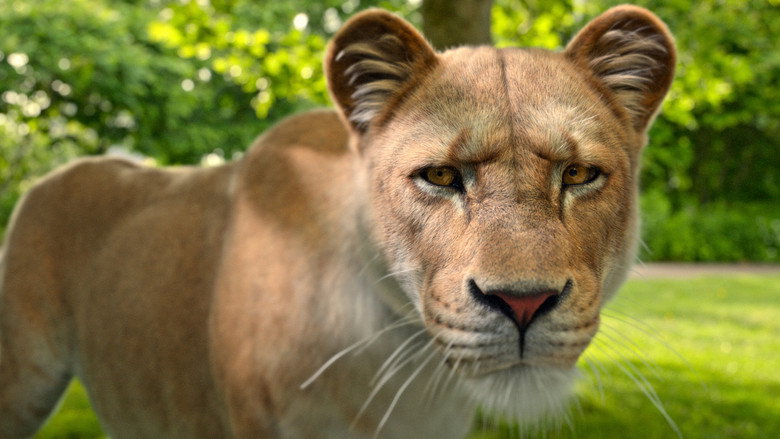
Jane convinces her reluctant abuela to help get a baby elephant back to his family, where she uncovers why herds follow a matriarch.
| Runtime (min) | 25 |
|---|---|
| Air Date | 2025-04-17 |
| Genres | Kids, Family, Animation |
| TV Rating | TV-G |
| Network(s) | Apple TV |
Storyline
In this episode, Jane encounters a baby elephant who has become separated from his herd. Recognizing the urgency of reuniting the young elephant with his family, Jane enlists the help of her abuela, who is initially hesitant to get involved in the mission. Together, they embark on a journey to track down the elephant's family group and safely return the calf to where he belongs.
As they work to reunite the baby elephant with his herd, Jane observes the social structure of elephant families and discovers the crucial role that the matriarch plays in leading and protecting the group. Through her abuela's knowledge and their shared experience, Jane learns why elephant herds follow the oldest and wisest female, gaining insight into the importance of leadership, experience, and family bonds in the animal kingdom. The episode highlights themes of intergenerational cooperation and the value of respecting elders.
What kids learn
Children learn about the social structure of elephant families and the important role of the matriarch in this episode. By observing how elephant herds follow the oldest and wisest female, young viewers gain an understanding of how leadership in nature is often based on experience and knowledge rather than size or strength. The episode demonstrates that the matriarch's accumulated wisdom helps the herd find water, avoid danger, and make decisions that keep everyone safe.
The episode also teaches children about the value of intergenerational relationships and respecting elders. Jane's collaboration with her abuela models how younger and older generations can work together, each bringing different strengths to solve problems. Children see that older family members possess valuable knowledge and experience that can guide important decisions.
Additionally, the story reinforces lessons about compassion for animals and the importance of family bonds. By helping reunite the baby elephant with his herd, Jane demonstrates empathy and responsibility toward wildlife, showing children that even young animals need their families and that helping others is a worthwhile endeavor.
Parents' top 5 questions
| Question | Answer |
|---|---|
| Is the information about elephant matriarchs accurate? | Yes, the episode accurately portrays elephant social structure. In the wild, elephant herds are led by the oldest female, whose decades of experience help the group find resources, navigate migration routes, and avoid threats. The matriarch's knowledge is passed down through generations, making her leadership essential to the herd's survival. This episode provides an age-appropriate introduction to this fascinating aspect of elephant behavior. |
| What age is this episode appropriate for? | This episode is designed for preschool and early elementary-aged children, typically ages four to eight. The twenty-five minute runtime, gentle pacing, and educational focus on animal behavior make it suitable for young viewers. The themes of helping animals and respecting elders are presented in an accessible, non-threatening way that even younger preschoolers can understand and enjoy. |
| How can I extend the learning after watching? | After the episode, you can look at pictures or videos of real elephant families together, discussing what you observe about how they interact. Visit a zoo or wildlife sanctuary if possible, or read age-appropriate books about elephants. You might also talk with your child about the wise elders in your own family, drawing parallels between the matriarch's role and the guidance grandparents or older relatives provide. |
| Does the episode show the baby elephant in distress? | While the premise involves a separated baby elephant, the show handles this sensitively for young viewers. The focus is on Jane's problem-solving and the positive outcome of reuniting the elephant with his family rather than dwelling on distress. The episode maintains an optimistic, educational tone throughout, making it appropriate for sensitive children who might worry about animals in trouble. |
| What makes this different from other animal shows for kids? | This episode combines wildlife education with character-driven storytelling and family relationships. Rather than simply presenting facts about elephants, it weaves the information into Jane's adventure with her abuela, modeling intergenerational cooperation and problem-solving. The show encourages children to think critically about animal behavior while also exploring themes of family, respect, and compassion in an engaging narrative format. |
Writing
Directing
| Season # | Episode # | Episode Name |
|---|---|---|
| 1 | 1 | Jane, David, and Greybeard track a polar bear in the Arctic Circle, inspiring Jane to convince her neighbor Mr. Jin to see trash differently. |
| 1 | 2 | While trying to tag a great white shark, Jane urges David's dad and Tata to rethink how they shop for groceries. |
| 1 | 3 | David shrinks Jane and Greybeard to honeybee size to explore a hive. But when a schoolmate threatens the bees, Jane swoops in. |
| 1 | 4 | The trio take off on a mission to aid the flying fox when Greybeard accidentally parachutes into a neighbor's yard. |
| 1 | 5 | Jane, David, and Greybeard try to sniff out why the gharial has a bulbed snout. A day at the pool points Jane toward an answer. |
| 1 | 6 | The three friends travel deep into the ocean to figure out why the blue whale sings, and Jane confronts a litterbug with a gifted voice. |
| 1 | 7 | A bug-sized Jane and Greybeard follow a monarch butterfly's journey to Mexico, leading Jane to seek assistance from Mr. Patel's green thumb. |
| 1 | 8 | Jane, David, and Greybeard monitor a black rhino and a red-billed oxpecker, whose relationship teaches them the value of teamwork. |
| 1 | 9 | Chasing a herd of caribou stirs up David's appetite. At lunch, David's grandpa tells a story about respect, responsibility, and sharing. |
| 1 | 10 | Jane and David stay up past their bedtime to track a tiger that prefers to come out at night, and they stumble upon something in the garden shed. |
| Season # | Episode # | Episode Name |
|---|---|---|
| 2 | 1 | Jane, David, and Greybeard must reunite a lost baby panda with its mother—and find out why they're the only bears with six fingers. |
| 2 | 2 | Tracking a wolf in the snowy mountains leads the trio to their neighbor's pug, who helps connect the dots between wolves, dogs, and people. |
| 2 | 3 | The three friends use their underground vessel to observe the elusive pink fairy armadillo, but a garden problem stops them in their tracks. |
| 2 | 4 | While exploring the Great Barrier Reef to determine if coral is a plant or an animal, the trio learn that looks can be deceiving. |
| 2 | 5 | With David sick in bed, Jane must partner with an unexpected ally to save Greybeard from a pride of lions. |
| Season # | Episode # | Episode Name |
|---|---|---|
| 3 | 1 | Jane, David, and Greybeard set off to find out why hippos give birth away from their pods, while trying to reunite a baby hippo with her mom. |
| 3 | 2 | The trio head underground to dig into wombat defense tactics. Jane wants the community BBQ menu to explore new options. |
| 3 | 3 | David joins Jane on a high-flying mission to chart an albatross' journey instead of helping his sister Millie. |
| 3 | 4 | Jane convinces her reluctant abuela to help get a baby elephant back to his family, where she uncovers why herds follow a matriarch. |
| 3 | 5 | Jane and Greybeard lose hope when they see how humans impact chimpanzees in the wild, but David and a special friend restore her faith. |
This product uses the TMDB API but is not endorsed or certified by TMDB.