
Jane - Canis lupus (S2E2)
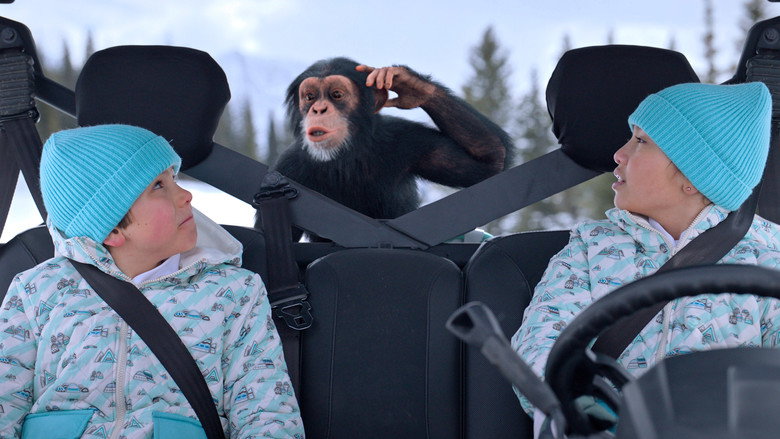
Tracking a wolf in the snowy mountains leads the trio to their neighbor's pug, who helps connect the dots between wolves, dogs, and people.
| Runtime (min) | 22 |
|---|---|
| TMDB Rating | 7.0 (1 votes) |
| Air Date | 2024-04-18 |
| Genres | Kids, Family, Animation |
| TV Rating | TV-G |
| Network(s) | Apple TV |
Storyline
In this episode, Jane and her friends set out to track a wolf through the snowy mountains, eager to observe this elusive predator in its natural habitat. Their expedition takes an unexpected turn when they discover that the tracks they've been following don't belong to a wild wolf at all, but rather to their neighbor's pug. This surprising mix-up becomes the launching point for an educational journey exploring the fascinating connection between wolves and domestic dogs.
The neighbor's pug serves as a living example of how wolves were domesticated over thousands of years to become the diverse array of dog breeds we know today. Through this hands-on discovery, Jane and her companions learn about the evolutionary relationship between Canis lupus (the scientific name for wolves) and modern dogs, examining both the physical and behavioral traits that link these animals. The episode weaves together the excitement of wildlife tracking with insights into how humans and canines formed one of nature's most enduring partnerships.
What kids learn
Children learn about the scientific process of tracking animals and how careful observation can lead to unexpected discoveries. The episode demonstrates that making mistakes—like confusing pug tracks for wolf tracks—is a natural part of learning and can open doors to new knowledge. Young viewers see how scientists use evidence like footprints, behavior patterns, and physical characteristics to identify and study animals in the field.
The episode provides an accessible introduction to evolution and domestication, showing kids how wolves and dogs share a common ancestry despite their obvious differences in size, appearance, and behavior. Children discover that the scientific name Canis lupus connects to the broader family of canines, and they learn how humans played a role in shaping wolves into the many dog breeds that exist today. This helps kids understand that domestication is a long process involving both natural selection and human influence.
The story also teaches children about the importance of understanding our relationship with animals, both wild and domestic. By connecting the dots between a neighbor's pet and a wild predator, kids learn to see the natural world and their everyday environment as interconnected, fostering curiosity about biology, animal behavior, and the history of human-animal relationships.
Parents' top 5 questions
| Question | Answer |
|---|---|
| Is the information about wolves and dogs being related scientifically accurate? | Yes, the episode presents accurate science. All domestic dogs, from pugs to Great Danes, descended from wolves through a domestication process that began thousands of years ago. Genetic studies confirm that dogs and gray wolves share a common ancestor, which is why they can still interbreed. The show uses the neighbor's pug as a relatable example to help children understand this evolutionary connection in an age-appropriate way. |
| Will this episode make my child want a pet dog? | The episode focuses on the scientific relationship between wolves and dogs rather than promoting pet ownership. While seeing the neighbor's pug may spark interest in dogs, the educational content emphasizes observation and learning about animal biology. If your child does express interest in getting a dog, this could be a good opportunity to discuss the responsibilities of pet ownership and whether your family is ready for that commitment. |
| How can I reinforce what my child learns about animal tracking? | After watching, you can look for animal tracks together during walks in your neighborhood, local parks, or hiking trails. Help your child identify tracks from squirrels, birds, cats, or dogs, and discuss what clues the tracks provide about the animal's size and movement. You might also check out library books about animal tracking or try making plaster casts of interesting prints you find to create a collection. |
| Is there anything scary about the wolf content for younger viewers? | The episode presents wolves as wild animals worthy of study rather than as threats. Since the tracking adventure leads to a neighbor's pug instead of an actual wolf encounter, younger children aren't exposed to potentially frightening close-up wolf scenes. The educational approach focuses on scientific curiosity and the wolf-dog connection, making the content appropriate for the show's target audience without creating fear of wildlife. |
| What age-appropriate follow-up activities relate to this episode's themes? | Children can research different dog breeds and try to identify which ones look most wolf-like, exploring how selective breeding created such variety. They might enjoy comparing photos of wolves and various dog breeds to spot similarities and differences in features like ears, tails, and body structure. Visiting a local animal shelter or dog park could provide real-world observation opportunities, or you could watch nature documentaries about wolves together to deepen their understanding of wild canine behavior. |
Writing
Directing
| Season # | Episode # | Episode Name |
|---|---|---|
| 1 | 1 | Jane, David, and Greybeard track a polar bear in the Arctic Circle, inspiring Jane to convince her neighbor Mr. Jin to see trash differently. |
| 1 | 2 | While trying to tag a great white shark, Jane urges David's dad and Tata to rethink how they shop for groceries. |
| 1 | 3 | David shrinks Jane and Greybeard to honeybee size to explore a hive. But when a schoolmate threatens the bees, Jane swoops in. |
| 1 | 4 | The trio take off on a mission to aid the flying fox when Greybeard accidentally parachutes into a neighbor's yard. |
| 1 | 5 | Jane, David, and Greybeard try to sniff out why the gharial has a bulbed snout. A day at the pool points Jane toward an answer. |
| 1 | 6 | The three friends travel deep into the ocean to figure out why the blue whale sings, and Jane confronts a litterbug with a gifted voice. |
| 1 | 7 | A bug-sized Jane and Greybeard follow a monarch butterfly's journey to Mexico, leading Jane to seek assistance from Mr. Patel's green thumb. |
| 1 | 8 | Jane, David, and Greybeard monitor a black rhino and a red-billed oxpecker, whose relationship teaches them the value of teamwork. |
| 1 | 9 | Chasing a herd of caribou stirs up David's appetite. At lunch, David's grandpa tells a story about respect, responsibility, and sharing. |
| 1 | 10 | Jane and David stay up past their bedtime to track a tiger that prefers to come out at night, and they stumble upon something in the garden shed. |
| Season # | Episode # | Episode Name |
|---|---|---|
| 2 | 1 | Jane, David, and Greybeard must reunite a lost baby panda with its mother—and find out why they're the only bears with six fingers. |
| 2 | 2 | Tracking a wolf in the snowy mountains leads the trio to their neighbor's pug, who helps connect the dots between wolves, dogs, and people. |
| 2 | 3 | The three friends use their underground vessel to observe the elusive pink fairy armadillo, but a garden problem stops them in their tracks. |
| 2 | 4 | While exploring the Great Barrier Reef to determine if coral is a plant or an animal, the trio learn that looks can be deceiving. |
| 2 | 5 | With David sick in bed, Jane must partner with an unexpected ally to save Greybeard from a pride of lions. |
| Season # | Episode # | Episode Name |
|---|---|---|
| 3 | 1 | Jane, David, and Greybeard set off to find out why hippos give birth away from their pods, while trying to reunite a baby hippo with her mom. |
| 3 | 2 | The trio head underground to dig into wombat defense tactics. Jane wants the community BBQ menu to explore new options. |
| 3 | 3 | David joins Jane on a high-flying mission to chart an albatross' journey instead of helping his sister Millie. |
| 3 | 4 | Jane convinces her reluctant abuela to help get a baby elephant back to his family, where she uncovers why herds follow a matriarch. |
| 3 | 5 | Jane and Greybeard lose hope when they see how humans impact chimpanzees in the wild, but David and a special friend restore her faith. |
This product uses the TMDB API but is not endorsed or certified by TMDB.