
Jane - Apis mellifera (S1E3)
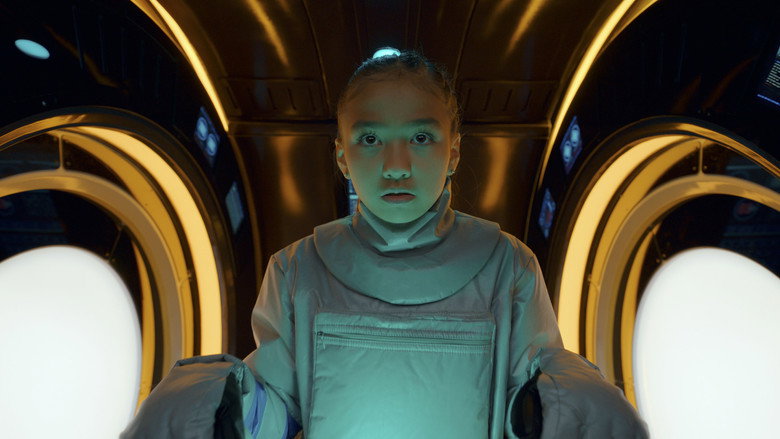
David shrinks Jane and Greybeard to honeybee size to explore a hive. But when a schoolmate threatens the bees, Jane swoops in.
| Runtime (min) | 25 |
|---|---|
| Air Date | 2023-04-13 |
| Genres | Kids, Family, Animation |
| TV Rating | TV-G |
| Network(s) | Apple TV |
Storyline
In this episode, David uses his shrinking technology to reduce Jane and her chimpanzee friend Greybeard to the size of honeybees so they can explore the inner workings of a beehive. Jane is thrilled by the opportunity to observe bee behavior up close, witnessing the intricate communication dances, the division of labor among worker bees, and the hive's remarkable social structure. The miniaturized duo navigates the honeycomb chambers and learns how bees collect nectar, produce honey, and care for their young.
The adventure takes a serious turn when Jane discovers that a schoolmate poses a threat to the hive. Drawing on her newfound understanding of bee ecology and the importance of pollinators, Jane must act quickly to protect the colony. She uses her knowledge and courage to intervene, demonstrating that even young people can make a difference when they understand and advocate for the natural world. The episode balances wonder and education with a timely conservation message.
What kids learn
Children learn about the vital role honeybees play in ecosystems and food production. The episode illustrates how bees communicate through waggle dances to share information about flower locations, how they work cooperatively to maintain the hive, and how different bees have specialized roles such as foragers, nurses, and guards. Young viewers gain an appreciation for the complexity of insect societies and the intelligence behind behaviors that might otherwise seem simple or instinctive.
The episode also teaches children about environmental stewardship and the importance of protecting pollinators. When Jane's schoolmate threatens the hive, children see that human actions have real consequences for wildlife, and that speaking up for animals and habitats is both necessary and possible. Jane models how to translate scientific understanding into conservation action, showing that knowledge empowers advocacy.
Additionally, the story reinforces problem-solving, empathy, and courage. Jane must think quickly and act decisively to protect creatures that cannot defend themselves against human threats, demonstrating that caring for the natural world sometimes requires bravery and intervention.
Parents' top 5 questions
| Question | Answer |
|---|---|
| Is the bee behavior shown in the episode scientifically accurate? | The episode depicts real honeybee behaviors including waggle dances for communication, cooperative hive maintenance, and the division of labor among workers. While the shrinking premise is fictional, the bee biology and social structure are grounded in actual science, making this a useful springboard for discussing pollinator ecology and insect behavior with children. |
| What is the threat that Jane's schoolmate poses to the hive? | The episode shows a schoolmate endangering the hive, prompting Jane to intervene. The specific nature of the threat ties into the conservation theme, illustrating how human actions—whether intentional or careless—can harm beneficial insects. This scenario opens discussion about respecting wildlife and the consequences of disturbing natural habitats. |
| Will my child be frightened by the scenes inside the hive? | The episode presents the hive as a bustling, organized environment rather than a scary one. While bees are shown at close range, the tone is educational and wonder-filled. Children who are anxious about insects may benefit from reassurance that bees are generally non-aggressive when unprovoked and that the episode celebrates their importance. |
| How can I reinforce the conservation message after watching? | After the episode, parents can discuss why pollinators matter, explore bee-friendly gardening, or visit a local nature center with pollinator exhibits. Talking about how everyday choices—like planting flowers or avoiding pesticides—help bees reinforces Jane's advocacy and empowers children to see themselves as protectors of the environment. |
| Does the episode explain why bees are important to humans? | The episode highlights bees' role as pollinators, connecting their work to the food we eat and the health of ecosystems. Jane's intervention underscores that protecting bees is not just about saving insects but about sustaining the natural systems that support all life, making the conservation stakes clear and relatable for young viewers. |
Writing
Directing
| Season # | Episode # | Episode Name |
|---|---|---|
| 1 | 1 | Jane, David, and Greybeard track a polar bear in the Arctic Circle, inspiring Jane to convince her neighbor Mr. Jin to see trash differently. |
| 1 | 2 | While trying to tag a great white shark, Jane urges David's dad and Tata to rethink how they shop for groceries. |
| 1 | 3 | David shrinks Jane and Greybeard to honeybee size to explore a hive. But when a schoolmate threatens the bees, Jane swoops in. |
| 1 | 4 | The trio take off on a mission to aid the flying fox when Greybeard accidentally parachutes into a neighbor's yard. |
| 1 | 5 | Jane, David, and Greybeard try to sniff out why the gharial has a bulbed snout. A day at the pool points Jane toward an answer. |
| 1 | 6 | The three friends travel deep into the ocean to figure out why the blue whale sings, and Jane confronts a litterbug with a gifted voice. |
| 1 | 7 | A bug-sized Jane and Greybeard follow a monarch butterfly's journey to Mexico, leading Jane to seek assistance from Mr. Patel's green thumb. |
| 1 | 8 | Jane, David, and Greybeard monitor a black rhino and a red-billed oxpecker, whose relationship teaches them the value of teamwork. |
| 1 | 9 | Chasing a herd of caribou stirs up David's appetite. At lunch, David's grandpa tells a story about respect, responsibility, and sharing. |
| 1 | 10 | Jane and David stay up past their bedtime to track a tiger that prefers to come out at night, and they stumble upon something in the garden shed. |
| Season # | Episode # | Episode Name |
|---|---|---|
| 2 | 1 | Jane, David, and Greybeard must reunite a lost baby panda with its mother—and find out why they're the only bears with six fingers. |
| 2 | 2 | Tracking a wolf in the snowy mountains leads the trio to their neighbor's pug, who helps connect the dots between wolves, dogs, and people. |
| 2 | 3 | The three friends use their underground vessel to observe the elusive pink fairy armadillo, but a garden problem stops them in their tracks. |
| 2 | 4 | While exploring the Great Barrier Reef to determine if coral is a plant or an animal, the trio learn that looks can be deceiving. |
| 2 | 5 | With David sick in bed, Jane must partner with an unexpected ally to save Greybeard from a pride of lions. |
| Season # | Episode # | Episode Name |
|---|---|---|
| 3 | 1 | Jane, David, and Greybeard set off to find out why hippos give birth away from their pods, while trying to reunite a baby hippo with her mom. |
| 3 | 2 | The trio head underground to dig into wombat defense tactics. Jane wants the community BBQ menu to explore new options. |
| 3 | 3 | David joins Jane on a high-flying mission to chart an albatross' journey instead of helping his sister Millie. |
| 3 | 4 | Jane convinces her reluctant abuela to help get a baby elephant back to his family, where she uncovers why herds follow a matriarch. |
| 3 | 5 | Jane and Greybeard lose hope when they see how humans impact chimpanzees in the wild, but David and a special friend restore her faith. |
This product uses the TMDB API but is not endorsed or certified by TMDB.