
Jane - Diomedea exulans (S3E3)
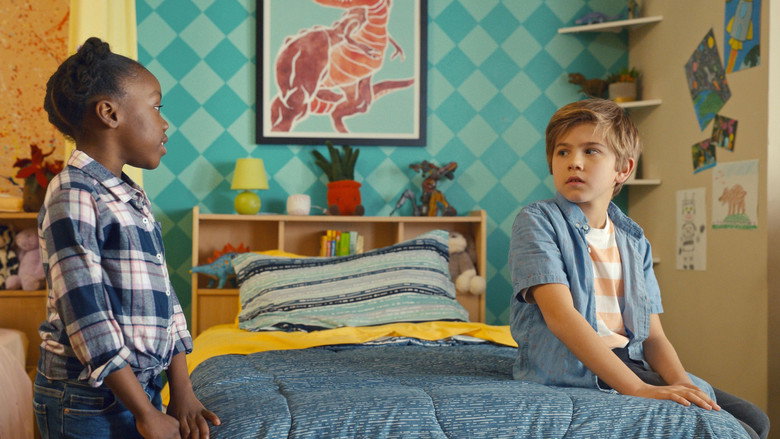
David joins Jane on a high-flying mission to chart an albatross' journey instead of helping his sister Millie.
| Runtime (min) | 25 |
|---|---|
| Air Date | 2025-04-17 |
| Genres | Kids, Family, Animation |
| TV Rating | TV-G |
| Network(s) | Apple TV |
Storyline
In this episode, David faces a choice between joining Jane on an exciting scientific expedition and helping his sister Millie with something she needs. The mission involves tracking a wandering albatross—Diomedea exulans—one of the largest flying birds on Earth, known for its incredible wingspan and ability to soar vast distances across the ocean. Jane invites David to accompany her as she charts the bird's migratory journey, an opportunity that promises adventure and hands-on learning about wildlife conservation and avian biology.
David's decision to prioritize the albatross mission over his sister's request sets up the episode's central conflict. The story explores the tension between pursuing personal interests and meeting family obligations, a relatable dilemma for young viewers. As David and Jane follow the albatross and gather data on its flight patterns and behavior, the episode weaves in themes of responsibility, sibling relationships, and the consequences of our choices on the people who depend on us.
What kids learn
Children learn about the wandering albatross, a remarkable seabird with the longest wingspan of any living bird. The episode introduces young viewers to concepts of animal migration, scientific fieldwork, and the methods researchers use to track and study wildlife in their natural habitats. Kids gain an appreciation for the dedication required in conservation science and the importance of understanding animal behavior to protect endangered species.
The episode also teaches an important lesson about balancing personal desires with family responsibilities. David's choice to join Jane instead of helping Millie provides a framework for discussing how our decisions affect others, especially those closest to us. Children see that exciting opportunities can sometimes come at a cost, and that being a good sibling or friend means considering others' needs alongside our own interests.
Additionally, the story encourages kids to think about problem-solving and making amends when we've let someone down. The episode models how to navigate conflicting priorities and demonstrates that acknowledging our mistakes and finding ways to support family members are essential parts of growing up and maintaining healthy relationships.
Parents' top 5 questions
| Question | Answer |
|---|---|
| Why does David choose the albatross mission over helping his sister? | David is drawn to the excitement and educational value of tracking the wandering albatross with Jane. The opportunity to participate in real scientific fieldwork and observe such a magnificent bird in action appeals to his curiosity and sense of adventure. His choice reflects a common childhood struggle between doing what seems most exciting in the moment and honoring commitments to family members who are counting on us. |
| What do kids learn about albatrosses in this episode? | The episode introduces children to the wandering albatross, highlighting its extraordinary wingspan and remarkable ability to travel thousands of miles across the ocean. Kids learn about migration patterns, how scientists track and study seabirds, and why understanding these creatures is important for conservation efforts. The hands-on nature of Jane's mission makes the science accessible and engaging for young viewers interested in wildlife and nature. |
| Does David face consequences for not helping Millie? | The episode's central conflict revolves around David's decision and its impact on his sister. While the overview establishes that David chooses the mission over helping Millie, the story uses this choice to explore themes of sibling relationships and responsibility. The episode provides an opportunity for parents to discuss with children how our decisions affect others and the importance of considering family obligations when making choices. |
| Is this episode appropriate for younger siblings watching together? | The episode deals with sibling dynamics in a way that many families will find relatable, making it suitable for siblings to watch together. The conflict between David and Millie can spark productive conversations about fairness, helping each other, and balancing individual interests with family needs. Parents can use the episode as a springboard to discuss how siblings can support one another and work through disagreements respectfully. |
| What age group will get the most out of this episode? | Children in the elementary school years, roughly ages six to eleven, will likely connect most strongly with this episode's themes. They're old enough to understand the appeal of scientific adventure while also navigating their own experiences with sibling relationships and competing priorities. The combination of wildlife education and relatable family dynamics makes the content accessible and meaningful for this developmental stage, though younger and older viewers can enjoy it as well. |
Writing
Directing
| Season # | Episode # | Episode Name |
|---|---|---|
| 1 | 1 | Jane, David, and Greybeard track a polar bear in the Arctic Circle, inspiring Jane to convince her neighbor Mr. Jin to see trash differently. |
| 1 | 2 | While trying to tag a great white shark, Jane urges David's dad and Tata to rethink how they shop for groceries. |
| 1 | 3 | David shrinks Jane and Greybeard to honeybee size to explore a hive. But when a schoolmate threatens the bees, Jane swoops in. |
| 1 | 4 | The trio take off on a mission to aid the flying fox when Greybeard accidentally parachutes into a neighbor's yard. |
| 1 | 5 | Jane, David, and Greybeard try to sniff out why the gharial has a bulbed snout. A day at the pool points Jane toward an answer. |
| 1 | 6 | The three friends travel deep into the ocean to figure out why the blue whale sings, and Jane confronts a litterbug with a gifted voice. |
| 1 | 7 | A bug-sized Jane and Greybeard follow a monarch butterfly's journey to Mexico, leading Jane to seek assistance from Mr. Patel's green thumb. |
| 1 | 8 | Jane, David, and Greybeard monitor a black rhino and a red-billed oxpecker, whose relationship teaches them the value of teamwork. |
| 1 | 9 | Chasing a herd of caribou stirs up David's appetite. At lunch, David's grandpa tells a story about respect, responsibility, and sharing. |
| 1 | 10 | Jane and David stay up past their bedtime to track a tiger that prefers to come out at night, and they stumble upon something in the garden shed. |
| Season # | Episode # | Episode Name |
|---|---|---|
| 2 | 1 | Jane, David, and Greybeard must reunite a lost baby panda with its mother—and find out why they're the only bears with six fingers. |
| 2 | 2 | Tracking a wolf in the snowy mountains leads the trio to their neighbor's pug, who helps connect the dots between wolves, dogs, and people. |
| 2 | 3 | The three friends use their underground vessel to observe the elusive pink fairy armadillo, but a garden problem stops them in their tracks. |
| 2 | 4 | While exploring the Great Barrier Reef to determine if coral is a plant or an animal, the trio learn that looks can be deceiving. |
| 2 | 5 | With David sick in bed, Jane must partner with an unexpected ally to save Greybeard from a pride of lions. |
| Season # | Episode # | Episode Name |
|---|---|---|
| 3 | 1 | Jane, David, and Greybeard set off to find out why hippos give birth away from their pods, while trying to reunite a baby hippo with her mom. |
| 3 | 2 | The trio head underground to dig into wombat defense tactics. Jane wants the community BBQ menu to explore new options. |
| 3 | 3 | David joins Jane on a high-flying mission to chart an albatross' journey instead of helping his sister Millie. |
| 3 | 4 | Jane convinces her reluctant abuela to help get a baby elephant back to his family, where she uncovers why herds follow a matriarch. |
| 3 | 5 | Jane and Greybeard lose hope when they see how humans impact chimpanzees in the wild, but David and a special friend restore her faith. |
This product uses the TMDB API but is not endorsed or certified by TMDB.